









Ang Lee’s filmography reads like a filmmaker who has set out to do a project in every genre known to man. The director made his feature debut with the dramedy Pushing Hands, explored romantic pictures like with Brokeback Mountain, released the martial arts classic Crouching Tiger, Hidden Dragon, or saw sci-fi thrillers like Gemini Man or 2003’s Hulk come to fruition.
The latter was far ahead of its time — and you can now watch it for free, streaming on YouTube.
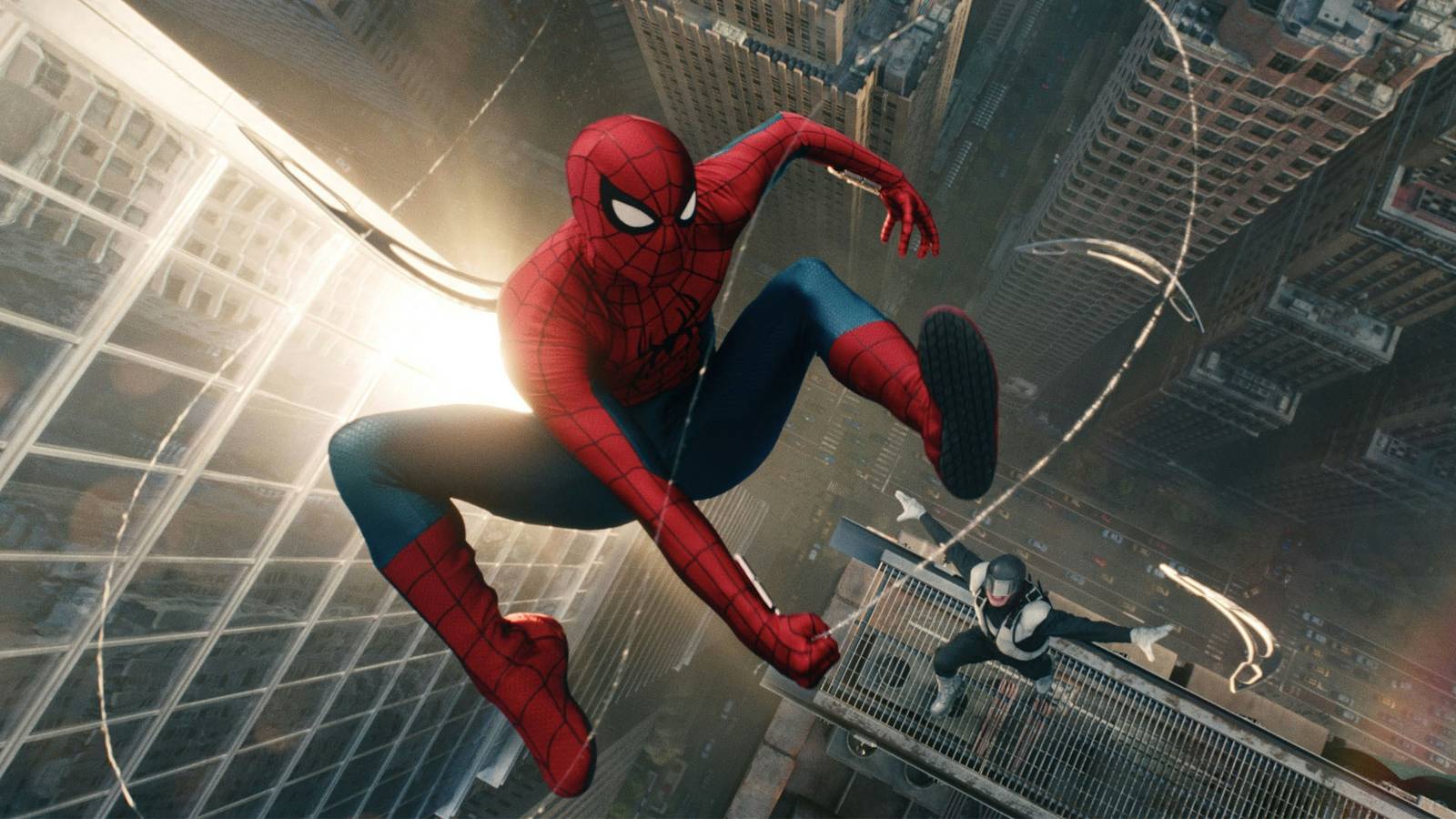
Long before the arrival of the Marvel Cinematic Universe, Marvel movies were released by a smorgasbord of studios. You had Sony with its Tobey Maguire-led Spider-Man franchise and the now-defunct 20th Century Studios with the X-Men films, Mark Steven Johnson’s Daredevil movie, and the first few stabs at a Fantastic Four franchise. Even Lionsgate and New Line got in on the action with a pair of Punisher films and the Blade trilogy, respectively.
Then there was Universal, which burst onto the modern superhero scene with Lee’s Hulk, starring Eric Bana, Jennifer Connelly, Sam Elliott, and Nick Nolte amongst a slew of others. In an era where the traditionally vibrant X-Men were reduced to black leather suits and both Blade and Ghost Rider ended up far more grounded than longtime comic readers would expect, Hulk pushed the boundaries of the era and it’s something that still resonates more than two decades later.
Does Ang Lee’s Hulk still hold up?
The most obvious example of that boundary-pushing is the way Lee decided to make Hulk look. Rather than simply adapting the comic, the filmmaker made the film feel as if someone were flipping through the latest issue of The Incredible Hulk instead of watching a film.
Hulk is constantly dividing the screen into panels, complete with gutters and bleeds. One shot might remain visible as another slides on top of it or cuts it off. Characters may appear from multiple angles at once, or one scene may move to another using transitions filmmakers typically avoid — and it all works here.
Hulk remains one of the most unique, stylistic pictures in all of superhero cinema, even more so when compared to the cape flicks available at the time of its release. Not all of it works; in fact, some of the transitions are so aggressively early-2000s that it’s completely understandable why audiences rejected them then. But still, that’s also what makes Hulk fascinating to revisit today.
Since the MCU’s arrival in 2008, comic book adaptations have slowly gotten back to that comic book feel found in Hulk. Scott Pilgrim vs. the World covered its screen in sound effects and gamified visual flourishes when it was released in 2010, and nearly a decade later, Spider-Man: Into the Spider-Verse went even further. The animated Sony release was nothing short of a visual feast, packing halftones, Ben-Day dots, panel layouts, and narration boxes into every frame, becoming one of the most successful superhero features of all time.
Lee was attempting his own version of that idea two decades prior and, ultimately, that’s what separates Hulk from the many superhero films surrounding it. X-Men was actively sanding away some of the most colorful elements of its source material. Blade was so far removed aesthetically from its comic book origins that plenty of moviegoers probably had no idea it was a Marvel character, or was even a comic adaptation at all.
Meanwhile, Hulk was practically screaming that it was rooted were in the funny books. For better or for worse, Hulk feels like an Ang Lee movie, and it feels like a comic book movie. More than two decades later, superhero movies have become bigger, slicker, and considerably more technically accomplished. Few, however, have been willing to get quite as weird as Hulk.
That’s what makes it such an interesting artifact of superhero cinema. Lee seemingly approached the material like there were no rules, because in 2003, there really weren’t any in place. The genre hadn’t yet settled on the rhythms audiences now know by heart, or what they could expect from studios. The Marvel Studios formula didn’t exist, and there wasn’t a requirement to watch a dozen films and a handful of television shows before hopping in.
Now that it’s streaming for free on YouTube, there’s never been a better excuse to see whether Ang Lee’s strangest blockbuster deserves another chance, or goes back to your “Did Not Finish” pile for the rest of time.

