


![28th Jun: Love Is Blind: Argentina (2026), 2 Seasons [TV-MA] – New Episodes (6/10)](https://occ-0-8162-92.1.nflxso.net/dnm/api/v6/0Qzqdxw-HG1AiOKLWWPsFOUDA2E/AAAABS5NdZcNK6bVmZPw-ngpFCgSEwIP3sLhSa313-YlYd1l3elX1yzR6wvFM7fF_ZpbG6mTaD4JQf1hpLRJi6o8Gmaqjt2qo0oz0oDWhvjInUCRnNoyZ-2nMCzNzeMGuwFhKuGCbO6VetkoY4j6T_Az9vpU8LIzle8hKqQn662H.jpg?r=2ed "28th Jun: Love Is Blind: Argentina (2026), 2 Seasons [TV-MA] – New Episodes (6/10)")





The constant bombardment of depressing environmental news can feel pretty gloomy, particularly if you’re putting a lot of effort into minimising your air miles and focusing on slow travel.
But it’s not all bad: many destinations are striving to become more sustainable, and the Dutch capital is the latest city to implement an environmentally conscious policy.
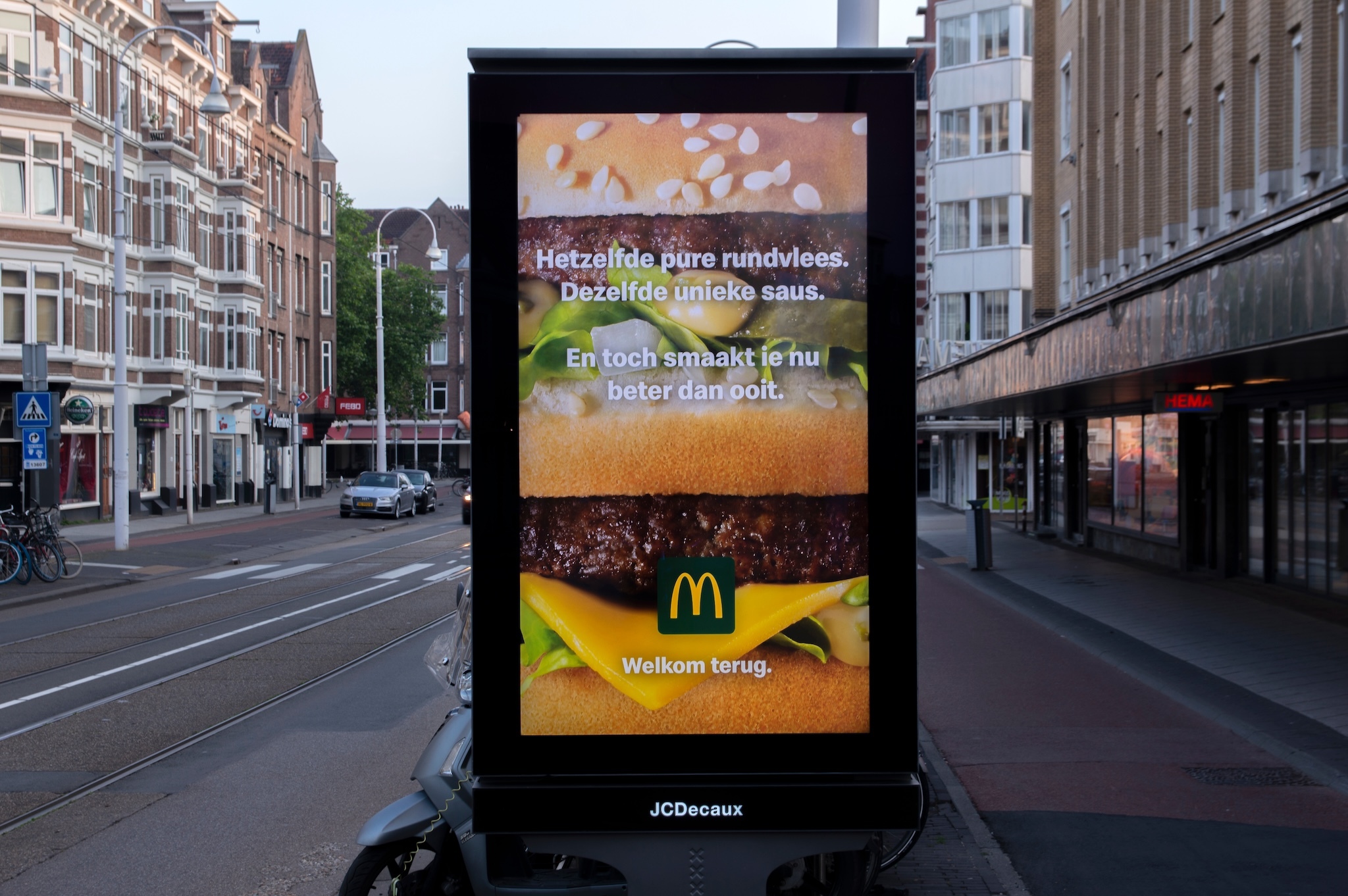
Amsterdam has officially banned all public advertisements for meat and fossil fuel products, replacing billboards at tram stops and on its streets instead with posters for attractions and gigs. The idea is that city streets actually align with local environmental goals.
And it makes sense – the Dutch capital is striving for carbon neutrality to be achieved by 2050, and for locals to have halved their meat consumption in the same period. Having a load of ads for fast food, cheap flights and pollutant cars is hardly gonna aid those goals, is it?
‘The climate crisis is very urgent,’ GreenLeft Party member Anneke Veenhoff told the BBC. ‘I mean, if you want to be leading in climate policies and you rent out your walls to exactly the opposite, then what are you doing?’
Lumping meat in with fossil fuel products not only indicates that neither should be considered part of an aspirational lifestyle, but reframes the former into more of an environmental issue, rather than simply a personal diet choice.
Not so shockingly, bodies such as the Dutch Meat Association and the Dutch Association of Travel Agents and Tour Operators are hardly thrilled with this, with the DMA describing the policy as ‘an undesirable way to influence consumer behaviour’ and that meat ‘delivers essential nutrients and should remain visible and accessible to consumers.’
Recommended: The world’s best cities for green spaces and nature in 2026.
While the onus isn’t necessarily on nannying the population into changing their habits, the hope is to reduce impulse buying, and maybe even catalyse a ‘tobacco moment’ for food which has high carbon production levels.
Amsterdam isn’t even the first Dutch city to implement such a policy. Back in 2022, Haarlem banned adverts for meat in most public spaces, and Utrecht and Nijmegen have since followed suit. More widely, plenty of cities have also moved to ban ads for fossil fuel products – namely Edinburgh, Florence, Sheffield, Stockholm, oh, and the whole of France.
There isn’t much evidence to suggest that removing meat adverts correlates with lower consumption, but researchers such as Professor of Epidemiology Joreintje Mackenbach are optimistic about its potential.
‘If we see advertisements for fast food everywhere, it normalizes the behavior of fast consumption,’ she said. ‘So if we take away those types of cues in our public living environments, then that is also going to have an impact on those social norms.’
Mackenbach cited a study that found the removal of junk food adverts on the London Underground back in 2019 did result in a decline in consumption. In fact, there has been a movement towards less advertisements for junk food across the UK, spurred on by calls from celebrity chef Jamie Oliver, but who knows – that might well have positive consequences for the environment.
As for Amsterdam, we’ll have to see how the policy pans out. Stay tuned for updates, and in the meantime, check out our collection of the best things to do in the Dutch capital.
Did you see that this futuristic theme park in Europe was just crowned the best in the world?
Plus: The 12 new UNESCO geoparks to visit in 2026.
Stay in the loop: sign up to our free Travel newsletter for all the latest travel news and best stuff happening across the world.