



![2nd Jan: After the Quake (2025), 2hr 13m [TV-14] (6/10)](https://occ-0-961-1007.1.nflxso.net/dnm/api/v6/Qs00mKCpRvrkl3HZAN5KwEL1kpE/AAAABWit5YkW5CgJLXwXhHRsgIcyC5wcLdQDzPBwnIQ66DE5_vZ-65ZKAmRmCoKpH1-Hidc3MRHpinwZfUWFXd3i6TdbFVpbrdKfdUV4Byar0a3Ac0nsKcTeX56izUMEJr842ViP47T3J9mZ0p2ak7di22AvewndqGmVfEtSCdiOo4F7eQ.jpg?r=40b "2nd Jan: After the Quake (2025), 2hr 13m [TV-14] (6/10)")


January isn’t quite as much of a movie wasteland as it was 20 years ago. January 2026, for example, sees the mid-month release of a highly anticipated 28 Years Later sequel, and later in the month, there’s a new Sam Raimi thriller starring Rachel McAdams. But when the first Friday in January falls especially early in the month, as it does this year, that weekend remains relatively barren. It’s only appropriate, then, that one of the very few new movies releasing on Jan. 2 is We Bury the Dead, a horror drama that plays a bit like an acoustic cover of a 28 Days Later-style zombie-sociology thriller.
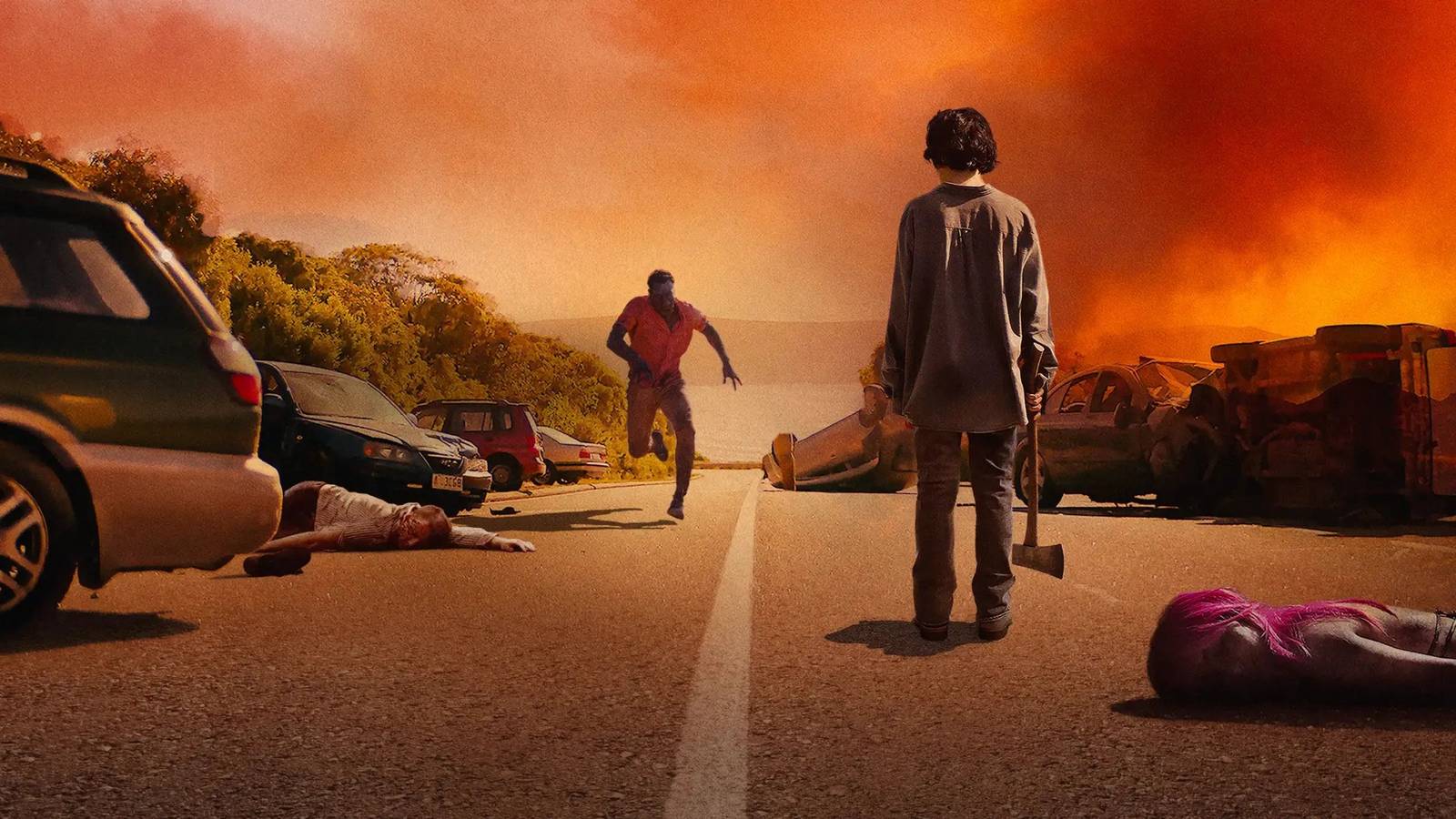
In fact, We Bury the Dead may feature the least panicked depiction of a zombie outbreak this side of The Dead Don’t Die, albeit in a mournful context. A U.S. military experiment gone awry has set off some kind of EMP bomb off the coast of Tasmania, instantly killing everyone on the island. Counted among the 500,000 dead is Mitch (Matt Whelan), who was visiting for work. The movie joins his wife Ava (Daisy Ridley) on her way to volunteer for a staggering and quietly gruesome mission: helping to clean up those half a million dead bodies. Like a lot of the volunteers, Ava has an ulterior motive, hoping against hope that she might actually find Mitch in a more animated state.
The presence of zombies is not a revelation to any of the characters. Rumors about some of the dead coming back to life are calmly confirmed at Ava’s orientation, when volunteers are told not to panic if they encounter a reanimated body. Military personnel will take care of it “humanely,” and there haven’t been reports of any real danger. The zombie problem is discussed upfront in part to discourage volunteers from seeking out their loved ones. Ava doesn’t heed any of these warnings. She and her assigned work partner, the more cavalier Riley (Mark Coles Smith), must circumvent the military to venture further south.
Along the way, they do encounter zombies, in scenes that writer-director Zak Hilditch orchestrates more for mystery than pure suspense. Hilditch doesn’t eliminate horror entirely: there are some shiver-inducing moments when the undead quietly appear in the background or distance of a frame, and frequent overhead shots surveying the eerily desolate landscapes are elegant in their unease. The movie also has a memorably gnarly recurring sound effect: not seeming to understand their own jaw strength and bodily weakness, the zombies gnash their teeth until they crunch in their own mouths like cereal pieces.
We Bury the Dead doesn’t deal in the white-knuckle immediacy that many viewers associate with 28 Days Later and other modern zombie movies, where the undead tend to look like rampaging hordes (whether they’re traditionally slow-moving or sped up into terrifying sprints). In We Bury the Dead, the living characters seem to understand the outbreak better than the victims of it, who generally haven’t yet gathered into intimidating crowds and don’t show the animalistic instincts of their counterparts in other films.
Yet that doesn’t put Ava on firm footing. She’s told the undead are basically flukes that need to be corrected, and the zombies she meets during her travels don’t offer much encouragement about a potential reconnection with Mitch. At best, their consciousness looks foggy; at worst, flashes of aggression begin to emerge, as any student of horror might expect. Still, Ava presses forward, unable to fully accept the tragedy without staring it in the face, especially after hearing that the reanimated corpses are more likely the victims with “unfinished business.” That’s a description more often applied to ghosts than zombies, and We Bury the Dead has an appropriately haunted quality.
Through Ava, Hilditch appears to be wondering what motivates the existence of so many zombie movies in the first place. He doesn’t seem uninterested in the genre, but, as with the filmmakers behind the recent 28 Years Later, he’s confident the zombie movie can accommodate a surprising degree of quiet reflection. We Bury the Dead isn’t as boldly stylized as either of Danny Boyle’s forays into zombieland, but it does benefit from location shooting, the steady clarity of Hilditch’s compositions, and Ridley’s haunted yet determined performance. Ridley has become a face of resilience in her Star Wars movies as well as more disparate films like Young Woman and the Sea and The Marsh King’s Daughter. Here, that resolve hardens into something more stubborn, while she lets slip hints of a greater vulnerability.
Where that leads Ava is a little frustrating. In its way, We Bury the Dead leaves off just as mysteriously and abruptly as 28 Years Later, without the promise of an immediate follow-up to further develop its weirder and more compelling ideas. (It also ends with a concept strikingly similar to one from somewhat earlier in Boyle’s film.) At the same time, there’s something appealing about the movie’s ultimate modesty and its refusal to push further into its fictional world’s new zombie era. Hilditch isn’t pitching a big-canvas apocalypse. Like Ava, he’s examining pieces of a potential disaster, and considering what it might mean for our broader humanity, seeking a new perspective for a new year.

![2nd Jan: Godzilla (2014), 2hr 3m [PG-13] – Streaming Again (6.2/10)](https://occ-0-19-90.1.nflxso.net/dnm/api/v6/Qs00mKCpRvrkl3HZAN5KwEL1kpE/AAAABde8z4cWPDfha891WRWFxTD3DsoU7igfBlQxmSPG-qquS9iZp5GhE-vNMomRuROnWHFbAN06G1DR8QRHvFOZRIYdFKjtUDsl3eax.jpg?r=c0a "2nd Jan: Godzilla (2014), 2hr 3m [PG-13] – Streaming Again (6.2/10)")
