![2nd Apr: LEGO® Ninjago Dragons Rising (2025), 4 Seasons [TV-Y7] – New Episodes (6.85/10)](https://occ-0-937-2705.1.nflxso.net/dnm/api/v6/0Qzqdxw-HG1AiOKLWWPsFOUDA2E/AAAABdEfuJ_tuXSqL6SQbxz4vfD1J0FZz00J2BrkDpC2ETPRKrVM5h6lsfgBrbKxY-4tRb2VforwDJVJXK7pDUOB6lagDlz8zBUpz8RlvEJ_mvWnCTlc2hj68jKrBZYBfFXjxkCRDtReJDKz5WgpDrc9bUdGc4-V2pBVnkXoD18j.jpg?r=1ff "2nd Apr: LEGO® Ninjago Dragons Rising (2025), 4 Seasons [TV-Y7] – New Episodes (6.85/10)")





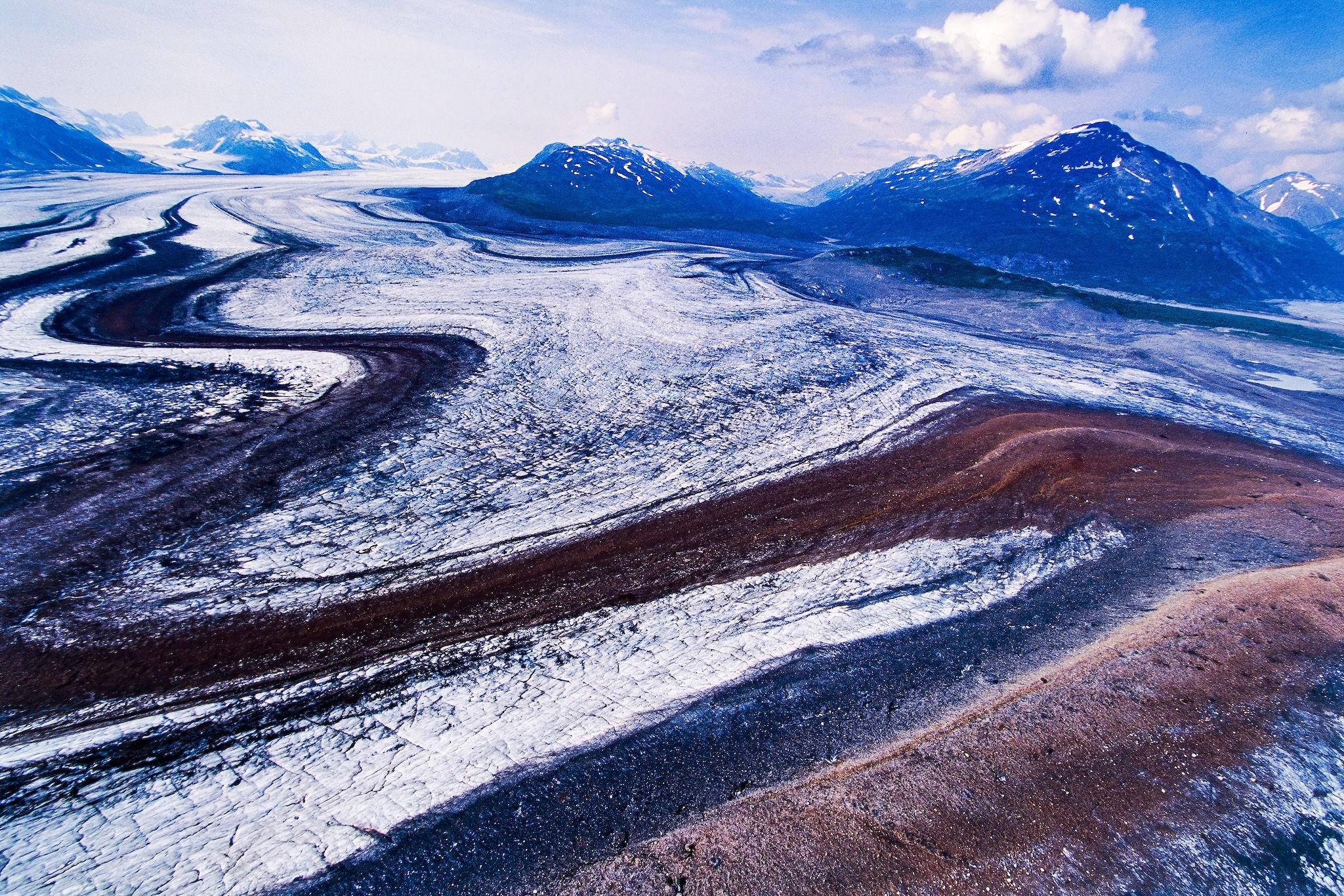
Tweedsmuir Park is the largest in B.C., separated into two distinct parks: Tweedsmuir North and South. Both are open year-round and are situated on lands traditionally stewarded by the Nuxalk and Carrier First Nations for thousands of years. The latter offers some of the most spectacular natural scenery in North America, attracting visitors seeking a wilderness adventure no matter the time of year.
Winter adventuring is a big deal here, with plenty of downhill skiing options thanks to the Tweedsmuir Ski Club, which operates a tow rope on Sundays during the winter months. Skiers can access it three km from the parking lot at the Rainbow Range trailhead.
If slopes aren’t your thing, there are also 15 km of cross-country ski trails to explore, maintained regularly by the ski club. This trail network is also located at the Rainbow Range.
Other prime activities at Tweedsmuir Park include hiking, fishing, horseback riding, camping, and canoeing along the Turner Lake Chain.
BC Parks also notes that the park is home to Hunlen Falls and the Shield volcanoes, which make for a fascinating landscape.
The surrounding Atnarko and Bella Coola Valleys provide a critical habitat for bears, and as such, visitors are urged to brush up on the wildlife safety skills prior to visiting.
Those who enjoy a round of snowmobiling can access a dedicated zone at Heckman Pass. However, note that snowmobiling is not permitted elsewhere in the park.
Snowmobillers can access this spot through the Rainbow Range trailhead, around 40 km west of Anahim Lake on Highway 20. Just remember to keep an eye out for herds of woodland caribou, and ensure you remain within the snowmobile boundary shown on the map.
Note that the Octopus Lake Trail and Campground, Crystal Lake Trail, and Lester’s Campground are currently closed due to wildfire damage.
How to get there: Drive nine hours and 50 minutes from Vancouver to Tweedsmuir Park via Chilcotin-Bella Coola Hwy/BC-20 W.
Recent Posts:
Over 20 of the biggest concerts coming to Vancouver in 2026 (so far)
Canada’s fourth-highest waterfall is in B.C. and it freezes over into an ice cone every winter