






Provincial gun regulations that have been nine years in the making will come into effect in British Columbia this fall, shutting down what ministers calls loopholes in federal laws that have helped allow extortion crimes to proliferate.
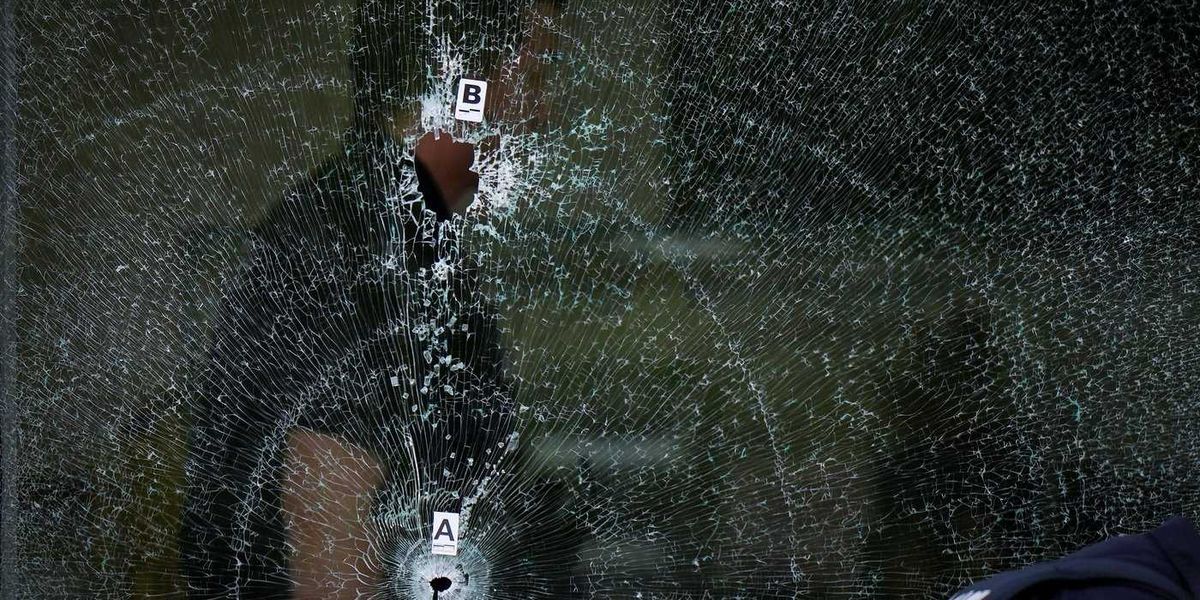
The new regulations include a ban on firing from vehicles, which has been a feature of a wave of extortions involving shooters firing from cars at homes and businesses, then posting videos of the attacks online.
Public Safety Minister Nina Krieger said Monday that the new regulations resulting from the Firearm Violence Prevention Act will help police crack down on such offences, and are “really about closing gaps, prevention and accountability.”
Attorney General Niki Sharma, who jointly announced the new rules at the legislature in Victoria, said police fighting gun crimes currently rely primarily on the Criminal Code and the federal Firearms Act — but both had limitations.
“Those laws are essential, but they come with high evidentiary thresholds, and do not always allow for swift intervention at the street level,” she said.
The new regulations also make it an offence to operate a vehicle illegally transporting a firearm, requiring that the person holding its licence or authorization be in the vehicle.
Sharma said this removes a common defence used by organized criminals involved in extortion, who have been testing the “limits of accountability” in several ways, including using rental cars or cars owned by family and friends to transport firearms.
When police discover the weapons, Sharma said, they often “claim that they didn’t know that they were there, or that the firearms belonged to somebody else.”
The regulations also require the secure storage during transportation of imitation and low-velocity firearms — such as BB, pellet and airsoft guns, and lighters designed to look like firearms — and prohibit their sale to anyone under 18.
Krieger said gangs often use these types of guns to “normalize weapons use among young people” and there have been several cases in recent years of police urgently responding to people brandishing lighters shaped like guns.
While the government drafted the legislation before the recent rise of extortion-related shootings, Krieger said the regulations are all about closing “loopholes that are exploited by organized (criminals) and specifically by extortionists causing harm in our communities.”
Surrey, B.C., has been at the centre of the wave of extortion crimes, which have primarily targeted the South Asian community. Surrey police statistics show 91 reported cases this year, with 16 involving gunfire, compared to 133 reported cases last year, with shots fired in 49 cases.
The act, which was originally passed in 2021 and comes into force on Oct. 1, was developed out of a 2017 task force report into illegal firearms.
Krieger said it “took really extensive consultations” over the past five years to strike the right balance with “uninterrupted, safe access” for law-abiding gun owners and criminals.
She said such loopholes create “real challenges for prosecution under existing criminal laws, adding the new regulations will remove common defences used by organized criminals and help disrupt their mobility.
“I’d like to be clear that this legislation is not about law-abiding firearm owners,” Krieger said. “It was developed through years of consultations and includes clear exemptions for lawful activities, like hunting, sports shooting and training, film production and professional use by law enforcement and wildlife officials.”
Sharma said the act “provides a clear mechanism for police to confiscate and destroy firearms used to commit an offence.”
This report by The Canadian Press was first published April 27, 2026.
By Wolfgang Depner | Copyright 2026, The Canadian Press. All rights reserved.