![2nd Oct: Despicable Me 3 (2017), 1hr 29m [PG] – Streaming Again (6.15/10)](https://occ-0-788-1001.1.nflxso.net/dnm/api/v6/0Qzqdxw-HG1AiOKLWWPsFOUDA2E/AAAABT7r6PvAVi-induPZwTLKlet9f44i98mVjR_8PxehRNeH28clRpznQsDjE_itw4NKV84PNbE7Fq4px0GPz-yHr14q-NS94SZURa9.jpg?r=32e "2nd Oct: Despicable Me 3 (2017), 1hr 29m [PG] – Streaming Again (6.15/10)")





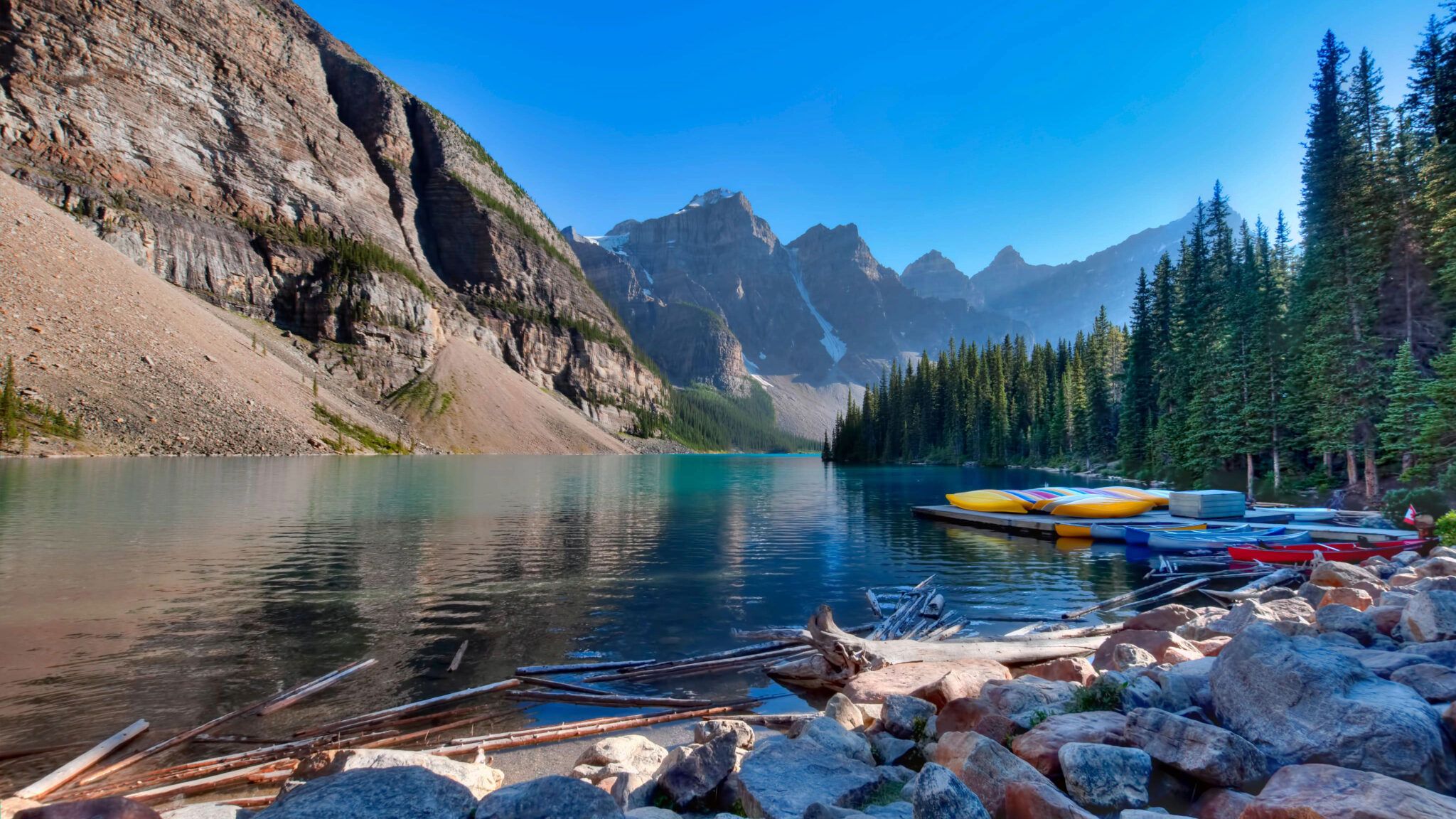
Banff National Park offers gorgeous mountain views, stunning glacial lakes, and year-round outdoor sights you won’t be able to see anywhere else in the world.
Situated in the Alberta Rocky Mountains, this national park, according to Parks Canada, actually acts as Canada’s first national park, as well as the flagship of the nation’s park system. Not to mention, it’s also a part of the Canadian Rocky Mountain Parks UNESCO World Heritage Site.
If you’re looking for outdoor adventure, this is definitely the place to visit. There are endless things to do, see, eat, and places to stay, so we’ve created a quick guide to exploring this spectacular park. For all your Banff needs, we’ve got you covered this time around.
Everything to know before visiting Banff National Park
When is Banff National Park free to visit?
From now until Sept. 7, there are actually no admission fees for all visitors to all national historic sites, national parks, and national marine conservation areas operated by Parks Canada, which does include Banff National Park. This is thanks to the Canada Strong Pass, which allows Canadians to explore the country over the summer.
After the 7th, you’ll have to purchase a Park Pass. This is a permit to visit a national park, with daily passes and annual discovery passes both available for purchase (online and in-person).
What does free admission include?
Per the Government of Canada, this free admission includes admission for all visitors to all national historic sites, national parks, and national marine conservation areas operated by Parks Canada, as well as a 25 per cent discount on fees for camping and overnight stays.
How do I get to Banff National Park?
As always, Parks Canada suggests planning ahead. The park has a tendency to get quite busy, especially during the summer season, so you’re definitely going to want to make sure you have a way to get around as well as a place to stay.
The Rocky Mountaineer is always a luxury option for those in Vancouver, but for those in Alberta, there are a couple of buses that will take you into the park.
Do I need a car in Banff?
No, you do not need a car to visit Banff. There are a variety of shuttle options, tour buses, and transportation methods within the park.
How do I visit Lake Louise and Moraine Lake?
Since you aren’t able to reach Moraine Lake Road in a personal car, you can see these iconic lakes by taking a Roam Public Transit or a Parks Canada shuttle.
Roam offers service from the Town of Banff to Lake Louise directly, with routes daily all year round. For those looking at Parks Canada shuttles, reservations are required, and you’ll be able to book online ahead of your trip.
When is the best time to visit?
Some may say summer is the best season to visit Banff, but we’d say there are benefits to every season.
During the summer, you’ll be able to benefit from the long days.
In the winter, there will be more opportunities for things like skiing and snowboarding, as well as to check out some of the frozen waterfalls within the park.
What are the best things to do in the park?
Banff is full of amazing things to get up to, so we’re going to highlight some of our favourite activities.
The Banff Gondola is easily a must-do if you haven’t been to the area before. Here, you can stroll along the peak’s boardwalk or head inside to explore their world-class mountaintop discovery centre, where the story of Canada’s first national park unfolds. The Sunset Festival is also going on this season, so you have the opportunity to spend the perfect summer evening atop a mountain.
Another go-to spot is Cave and Basin, a special place for Indigenous Peoples for over ten thousand years. As the birthplace of national parks, you’ll be able to uncover years of history and check out the hot mineral springs in a cave as well as their beautiful emerald-colored outdoor pool.
We certainly aren’t able to list absolutely everything, so if you’re still looking for ideas, Parks Canada actually has their own list too.
Where are the best places to stay?
There’s a wide variety of options to pick from when choosing a place to stay within the park. Here are some spots to stay in Banff:
Can I camp in Banff National Park?
Yes, you can absolutely camp in the park! In fact, there’s no better time, as the Canada Strong Pass also offers a 25 per cent discount for camping and overnight stays in the park.
This includes:
- Frontcountry tent and RV camping
- Backcountry camping
- Equipped camping
- oTENTiks at Two Jack Lakeside
For those opting for this, you’ll be able to find a full list of the available campsites at the park on the Parks Canada website. You’ll be able to book the sites here as well.
What wildlife and safety rules should I know?
First things first, it’s illegal to feed, entice or disturb any wildlife in a national park. If you’re found violating this, you will be charged, subject to a mandatory court appearance and could pay fines up to $25,000.
Lake Minnewanka is the only waterbody in Banff National Park where boats with motors are allowed. The use of personal watercraft (like Sea-Dos or Jet Skis) and boats with ballast systems is not permitted on any water bodies.
Bicycles are permitted only on roads and designated trails in Banff National Park. E-bikes follow the same rules, only permitted on roads and select trails in Banff National Park.
There are also a few camping rules to keep in mind. Camping is allowed only in designated campgrounds. Camping (including sleeping in a vehicle) is not allowed in roadside pullouts, parking lots, trailheads and day-use areas. The maximum stay length in an individual frontcountry campground is 14 nights, while the length in an individual backcountry campground is three.
For a full list of rules and regulations, you can check out the Parks Canada website.
Can I use my drone in the park?
The use of recreational drones in Banff National Park is prohibited. If you’re caught operating a drone within park boundaries, it may result in law enforcement action and a fine of up to $25,000.
It’s just best to keep some things at home.
Is there currently a fire ban in Banff National Park
As of July 30, a fire ban is in effect for all areas of Banff National Park due to elevated fire danger. This means absolutely no use of wood-burning campfires, charcoal, briquettes, or wood barbecues, turkey fryers, tiki torches, or outdoor wood-burning stoves. If you are unsure, Parks Canada suggests asking a local park staff member.
Where: Improvement District No. 9, Alta.
Recent posts:
Edmonton’s Hawrelak Park is back after three years and here’s what to know
There’s a riverside park near Edmonton that’s perfect for fishing, kayaking, and hiking



Alyssa Gallardo
Alyssa is a Staff Writer for Dished and Curiocity Edmonton. She’s a big fan of everything entertainment, and can always be seen running around the city going from concert to concert.
Read articles