




The enduring popularity of Naruto boils down to the fact that it is a relatable underdog story. Masashi Kishimoto’s best-selling manga, which is associated with Shonen Jump’s “Big Three” alongside One Piece and Bleach, maps the eventful life of shinobi Naruto Uzumaki. Our brash blonde-haired protagonist grows from a rebellious brat into a brave, resilient hero after battling alienation and trauma, drawing strength from the bonds he forges along the way. The nostalgia associated with both Naruto and Naruto: Shippuden isn’t hollow, as these stories — despite the great amount of filler associated with weekly anime productions — feature complex worldbuilding and nuanced backstories.
When it was time to pass the torch to the next generation, Kishimoto conceived the character of Boruto in 2013 to evoke thematic parallels and differences with Naruto. Boruto has made several appearances in the primary manga, anime, and tie-in theatrical releases, like 2015’s Boruto: Naruto the Movie. When Shueisha approached Kishimoto for a Boruto manga sequel, he recommended his former assistant, Mikio Ikemoto, as the illustrator instead. Ukyō Kodachi, who penned Boruto: Naruto the Movie, took on authorial responsibilities for some time, fleshing out a spin-off saga suited for a younger demographic. The rest is history, as Boruto completes its 10th anniversary this month.
[Ed. note: This article contains spoilers for the ongoing Boruto manga]
Boruto is introduced as a prodigy who must meet the expectations that come with being the son of Naruto, who is now the Seventh Hokage, the leader of the Hidden Leaf Village. Unlike Naruto, who grew up an orphan and was unaware of his true lineage for quite some time, Boruto directs his frustrations toward his father, who is busy protecting the village. This is one of the more compelling aspects of Boruto’s childhood angst, as Naruto’s discontinuous presence shapes Boruto’s early relationship with authority figures. A child cannot be blamed for lashing out in the absence of steady paternal affection — in Boruto’s case, he outgrows these feelings as time passes.
The initial arcs of Boruto retrace the steps that Naruto took to solidify its intricate world, where a young Boruto also joins a three-member ninja team and does his best to pass the decisive Chunin Exams. These shenanigans, which transition into more serious arcs, comprise Part I: Naruto Next Generations. Despite gathering a significant following of Naruto nostalgics and new fans, Part I paints an underwhelming picture of a sequel that struggles to hold a candle to its predecessor.
The issues that plague Part I are multifold. If we focus solely on the widely watched Boruto anime, its wonky animation emerges as an obvious flaw. Compare that with the consistently gorgeous fight sequences that grace both Naruto and Naruto: Shippuden, such as this epic Naruto vs. Sasuke fight that is the culmination of a decades-long friendship that is also a rivalry. Although Part I: Naruto Next Generations features memorable fights like Naruto & Sasuke vs. Momoshiki, this is more of a unique cornerstone moment than a core facet of the anime series.
Moreover, the reasons why Boruto was often criticized go beyond its aesthetics and apply to the manga as well. Boruto often struggled to balance the presence of legacy characters with newly introduced ones. What’s more, Boruto’s wide cast often feels bland and trope-heavy, failing to inspire strong emotions like the intriguing secondary cast in Naruto.


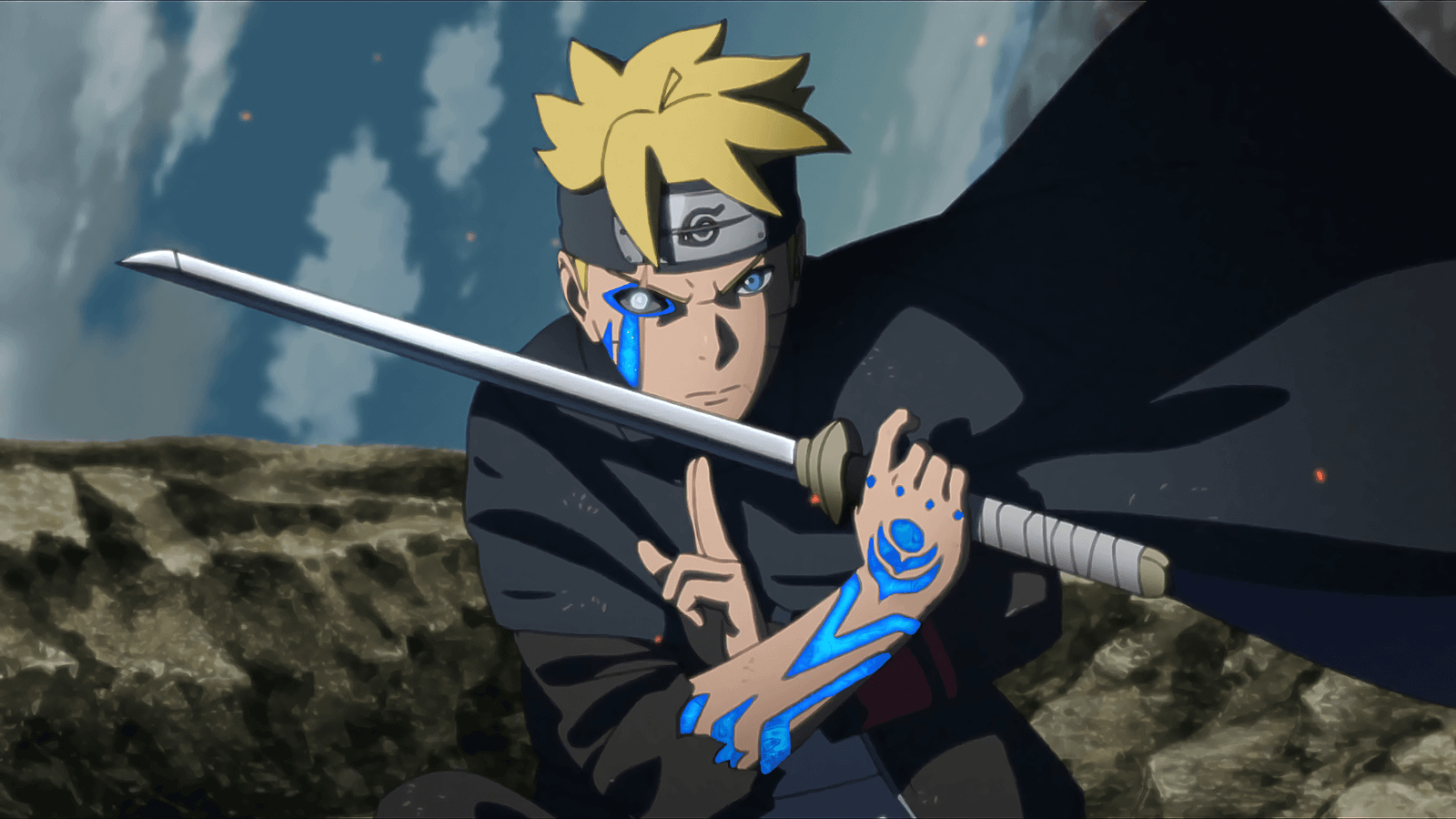
Then came Part II: Two Blue Vortex, which remedies some of the criticism fans have directed at the sequel. It takes place after a three-year time jump and puts Boruto in a fish-out-of-water situation, as he is forced to flee the village after being branded as a traitor and accused of having killed his parents. Gone is the juvenile tone that guided Part I, as this ongoing storyline feels more mature and grounded in the same vein as Naruto: Shippuden.
This story works in favor of fleshing out Boruto, who needs to prove his worth without relying on his father’s legacy. There’s also Boruto’s adoptive brother Kawaki, who acts as a tragic foil and completely flips the story on its head by switching lives with Boruto. This emotional rewiring is unlike anything that has happened in Naruto, which marks a shift from the sequel’s tendency to recreate the best hits that made its predecessor so popular.


Boruto can never be the next Naruto, and there’s nothing wrong with that. The reasons are more complicated than they seem, starting with Kishimoto’s limited involvement in the earlier arcs of the story, for which he primarily acted as supervisor. Kodachi stepped down in 2020 after writing 13 manga volumes, which is when Kishimoto assumed a more active role in his collaboration with Ikemoto. Although Kishimoto brings story details or outlines to the table, the final creative authority lies with Ikemoto, who deserves the lion’s share of credit for Two Blue Vortex.
Kishimoto’s proactive involvement partially explains why Part II feels closer to the nostalgia Naruto elicits in audiences, even though the sequel still lacks punch and falls short of brilliance at several points. That said, at the end of the day, this is no longer Kishimoto’s story, as he has passed the torch to his successor, Ikemoto, whose narrative priorities and art style are expectedly different and have their own merits. Expanding a fully-rendered fictional universe to tell a new story rooted in overlapping themes and principles is no walk in the park. While comparisons to its standout predecessor are inevitable, Boruto has matured into an intriguing spin-off that can be enjoyed in its own right.


Boruto makes sense when we perceive it as a different kind of coming-of-age tale. It is a flawed continuation of a classic saga that no longer prioritizes concepts associated with Kishimoto’s traditional world, primarily manifesting in the prevalence of new-age technology over good old ninjutsu. While Boruto’s antagonists cannot match the nuance of Pain or Itachi, we can still expect captivating villains like Jura to fuel the story and raise its stakes. Two Blue Vortex might feel like an uneven adventure at times, but its marked improvement over Part I is a sign that bodes well.
Naruto and its iconic legacy will forever remain unchanged. In the meantime, it’s only fair that we give Boruto the chance to finish telling its tale and discard the label of an inferior follow-up.
Boruto: Naruto Next Generations can be streamed on Netflix and Crunchyroll.


Shonen Jump’s most hyped new manga gets official anime adaptation
Sharpen your blades as Kagurabchi is finally getting the overdue anime it deserves