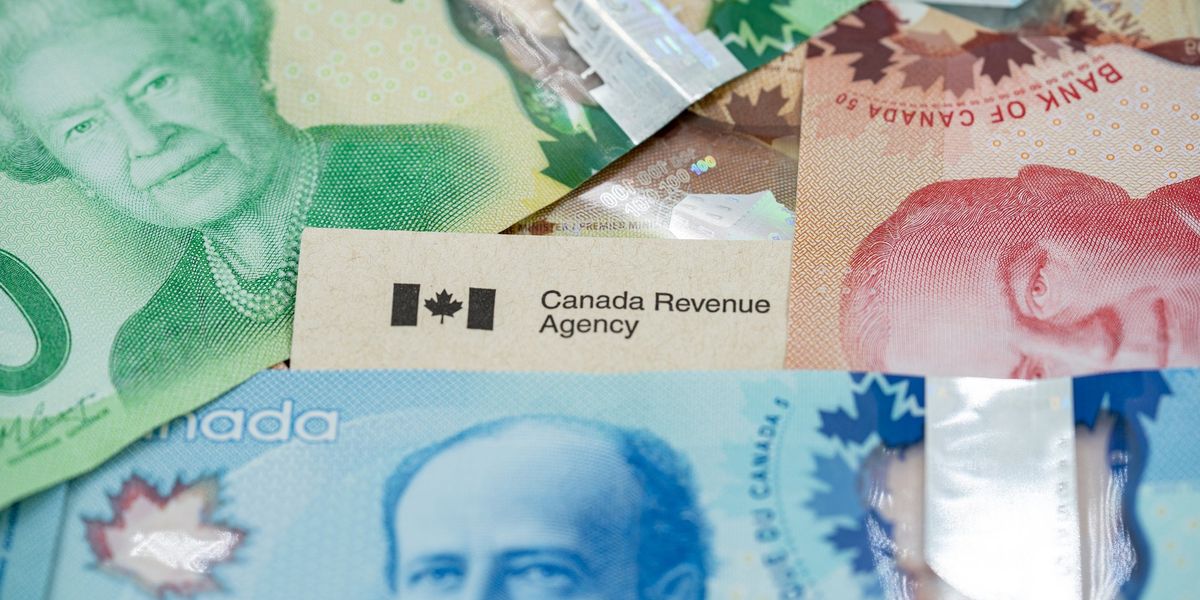








Canadian parents who receive the Canada Child Benefit may notice a higher amount hitting their bank accounts this month.
Starting in July, the CCB moves into a new benefit year, and the maximum amounts are going up across the board. For families who lean on the deposit for groceries, daycare or school costs, it means a little more landing in the account than it did through the spring.
The July payment is also the first one calculated on your 2025 tax return, so depending on how your income shifted last year, your amount (indexed for inflation) may look different from what you were getting.
Here’s what’s changing and what to expect.
What is the Canada Child Benefit?
The Canada Child Benefit is a tax-free monthly payment from the Canada Revenue Agency that helps families with the cost of raising kids. It goes to parents of children under 18, and the amount depends on household income, the number of children and their ages. Provincial and territorial top-ups are common as well, and because the CRA bundles everything into a single deposit, your monthly total may include more than just the federal portion.
July 2026 payment amounts
For the new benefit year, running July 2026 through June 2027, the maximum monthly amounts are:
- $679.75 per child under 6 (up to $8,157 per year)
- $573.58 per child aged 6 to 17 (up to $6,883 per year)
Those maximums go to families with an adjusted family net income under $38,237. Earn more than that and you can still qualify, but the benefit tapers off gradually based on your income and how many children you have.
How the new amounts break down
Since payments are recalculated every July, the amount you actually see depends on your 2025 income. A few examples from the CRA show how it plays out once you’re above the threshold:
- A parent with one child under 6 and an income of $45,000 would get about $640.29 per month.
- A parent with two children under 6 and an income of $60,000 would get about $1,114.66 per month.
- A parent with three children aged 6 to 17 and an income of $50,000 would get about $1,534.50 per month.
The higher your income climbs above $38,237, the more the benefit is reduced, and the reduction rate increases with the number of children you have.
When does the payment arrive?
The July CCB payment goes out on Monday, July 20, right on the usual schedule. Payments are issued on the 20th of each month, so with no weekend or holiday in the way this month, there’s no shift in the date.
Who qualifies?
To be eligible, you need to be the primary caregiver of at least one child under 18 and a Canadian resident for tax purposes. Citizenship, permanent resident status, protected person status, temporary resident status of at least 18 consecutive months, or registration under the Indian Act all count. In shared custody situations, each parent can claim 50% of what they’d get with full custody, calculated on their own income.
There’s no hard income cutoff. The benefit phases out gradually, so the point where payments stop depends on your specific situation.
Estimating your payment
The CRA’s child and family benefits calculator lets you estimate your monthly total by entering your household income, number of children, their ages and any disability credits that apply. It covers both federal and provincial or territorial amounts.
Tax info
The CCB is entirely tax-free. Payments don’t count as income, don’t need to be reported on your return, and won’t affect what you owe or get back at tax time. Both you and your partner still need to file a return every year to keep payments coming, even if neither of you owes anything.
More info on CCB payments is available on Canada.ca.
![21st Sep: Thomas & Friends: All Engines Go (2024), 3 Seasons [TV-Y] (4.2/10)](https://occ-0-1522-1001.1.nflxso.net/dnm/api/v6/0Qzqdxw-HG1AiOKLWWPsFOUDA2E/AAAABb-sbNnqvrZU74W_CTnGdnPWciToWyjwm0i7ZUYfAOUyK8IpKnYE56UYarNS-ZVd3iL1EzFKvl_kg3lXtRKdr80Z2HwFeASWNl3e.jpg?r=7bd "21st Sep: Thomas & Friends: All Engines Go (2024), 3 Seasons [TV-Y] (4.2/10)")