









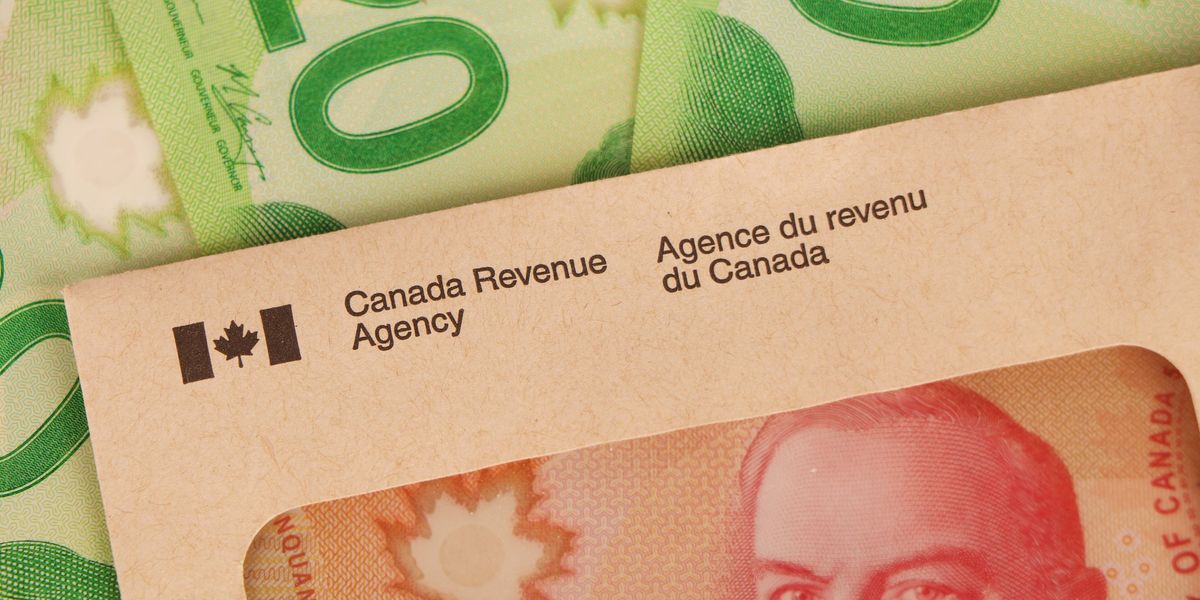
Parents checking their bank accounts today might notice a bigger deposit than usual. The Canada Child Benefit moved into a new benefit year on July 1, and the first payment reflecting that increase went out this Monday, July 20, right on schedule.
Employment and Social Development Canada confirmed the new amounts in a release on Monday. For the 2026-2027 benefit year, families can now receive up to $8,157 annually for each child under 6, and up to $6,883 for each child aged 6 to 17. That works out to increases of up to $160 per child under 6 and up to $135 per child aged 6 to 17, compared to what families were getting the year before.
Those maximums apply to families with an adjusted net income under $38,237. Above that threshold, the benefit doesn’t disappear, but it tapers off gradually, with the reduction rate climbing the more children a family has.
Nationally, the CCB now reaches about 3.6 million families raising 6 million children, and the federal government puts the total value of the program at roughly $30 billion a year in tax-free support.
What this looks like for an actual family
The government offered one example to illustrate the change: a family with one child aged 5 and another aged 9, with an adjusted net income of $65,000, can expect to receive about $11,430 over the 2026-2027 benefit year. That’s close to $400 more than the same family would have received the year before.
Other examples show how the benefit scales with income. A parent with one child under 6 earning $45,000 a year can expect around $640 a month. A parent with two children under 6 earning $60,000 a year would get roughly $1,115 a month. And a parent with three children between 6 and 17, earning $50,000, would land around $1,535 a month.
Who qualifies
To receive the CCB, you need to be the primary caregiver of at least one child under 18 and a Canadian resident for tax purposes. That includes citizens, permanent residents, protected persons, people with temporary resident status for at least 18 consecutive months, and those registered under the Indian Act. In shared custody arrangements, each parent can claim 50% of what they’d receive under full custody, based on their own income.
Because the CCB recalculates every July using the previous year’s tax return, this month’s payment is based on 2025 income. If your income changed significantly last year, your deposit may look different than it did in the spring, even before accounting for the new maximums.
The benefit remains entirely tax-free. It doesn’t count as income, doesn’t need to be reported, and won’t affect your tax return either way. Both parents still need to file taxes every year to keep the payments coming, even if neither owes anything.
Families who want a more precise estimate can use the CRA’s child and family benefits calculator, which factors in household income, the number and ages of children, and any applicable disability credits.
AI tools may have been used to support the creation or distribution of this content; however, it has been carefully edited and fact-checked by a member of MTL Blog’s Editorial team. For more information on our use of AI, please visit our Editorial Standards page.
