





If you have a trip to Cuba or Mexico on the horizon, the Canadian government has some updated guidance worth reading before you go.
Canada has refreshed its advisories for both popular resort destinations over the past two weeks, and while neither is breaking news for seasoned travellers, the current warnings carry enough weight to take seriously.
The two countries sit at different risk levels.
Cuba is under an “avoid non-essential travel” designation, one step below the most severe warning Canada issues.
Mexico, which was under a more serious advisory in late February, sits at “exercise a high degree of caution” overall, though several states carry their own avoid non-essential travel advisories. Here’s what each one covers.
Cuba
The core issue in Cuba right now is not crime. It’s scarcity.
Canada’s advisory flags chronic and severe shortages of food, bottled water, medication and fuel as the primary concern for travellers. These shortages extend beyond the general population and can affect resorts directly, with food service, running water and generator-powered utilities all potentially impacted depending on when and where you are on the island.
Power outages are a daily reality. Cuba schedules long cuts to manage strain on the electrical grid, and unexpected nationwide blackouts lasting more than 24 hours do occur. Fuel shortages compound the problem, limiting ground transportation across the island and making travel between regions genuinely difficult. Some travellers have found themselves temporarily stranded with rental cars.
On the air access front, all Canadian airlines have suspended service to Cuba until further notice. International flights remain available but could become limited on short notice. The government is explicitly recommending that Canadians currently in Cuba consider leaving while options are still available.
For those who do travel, the advisory notes that petty crime is a factor in tourist areas, markets and on public transit. Cuba operates on cash, which means carrying larger amounts is sometimes necessary — and that comes with its own risks. Cellphone service is unreliable, Canadian phones may not work even in cities, and internet access is limited island-wide.
Entry requirements to keep in mind: proof of medical insurance is mandatory upon arrival, and an online customs form must be completed up to 72 hours before entry. Drones are prohibited and will be confiscated. Electronic cigarettes and vaporizers are also banned and will be seized at customs.
Mexico
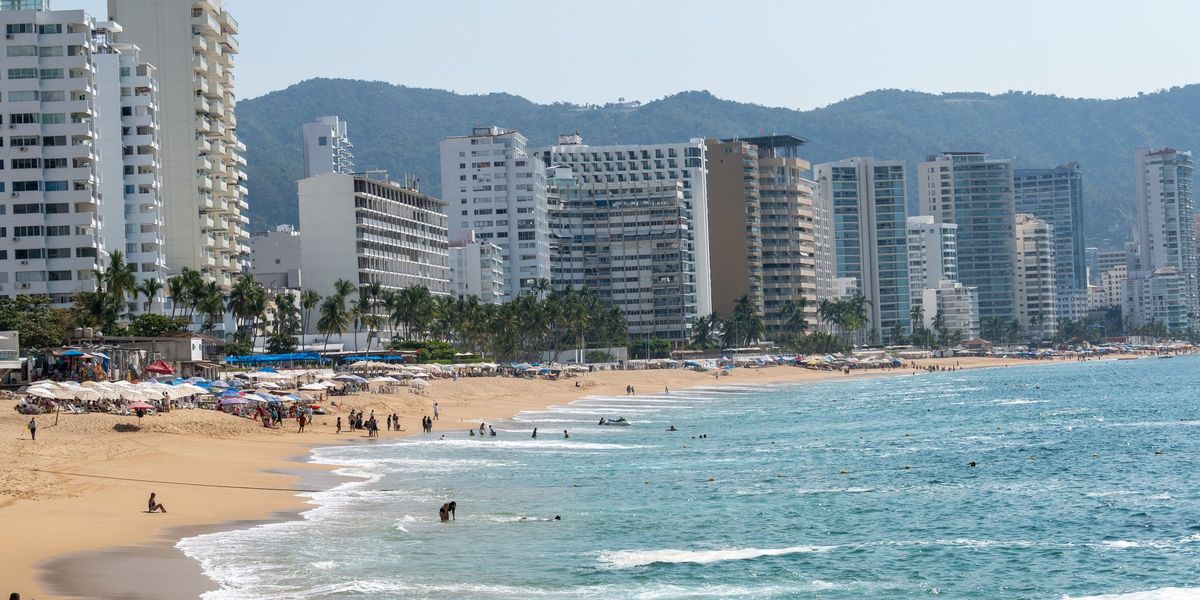
Mexico’s overall advisory is a level below Cuba’s, but the picture is uneven depending on where you’re going. Thirteen states carry avoid non-essential travel designations, including parts of Chiapas, Guerrero, Sinaloa, Michoacán and Tamaulipas. Popular tourist corridors in states like Quintana Roo, Jalisco and Baja California Sur are not under those elevated warnings, but violent crime can and does occur in major cities and resort areas regardless.
The advisory is candid about the range of risks: armed robbery, kidnapping including express kidnappings, carjackings, police corruption and fraud are all flagged. Spiked drinks are specifically mentioned as an issue at bars, nightclubs and in taxis. Unregulated alcohol has also caused illness in some travellers.
A few things worth noting for practical planning: Mexican liability insurance is mandatory for drivers and Canadian auto insurance is not valid there. Accidents can carry serious legal consequences, including detention. Cannabis laws are unclear and enforcement is inconsistent — possession can lead to arrest or extortion regardless of amount.
On the health side, the advisory recommends travellers consult a health care provider before departure. Hepatitis A, dengue, Zika and other mosquito-borne illnesses are all flagged as risks. Medical care quality varies significantly, private facilities in major cities are generally adequate but expensive, and rural areas have limited services.
Entry is straightforward for Canadians (no tourist visa is required for stays up to 180 days) but travellers arriving by air need to complete a Multiple Digital Migratory Form upon arrival, and those crossing by land must complete a Multiple Immigration Form.
One additional note for anyone planning to attend the FIFA World Cup, which Mexico is co-hosting with Canada and the United States from June 11 to July 19, 2026: the government has issued a dedicated advisory for Canadian travellers attending matches in Mexico, which is worth consulting separately.
Both advisories were last updated in late March and early April 2026. The full versions are available at travel.gc.ca.