

![7th Oct: Unforgettable (2015), 4 Seasons [TV-14] (6.4/10)](https://occ-0-953-1001.1.nflxso.net/dnm/api/v6/0Qzqdxw-HG1AiOKLWWPsFOUDA2E/AAAABQ410O_7vQHneB6vVMO48E6PkGd1meKEIckE_3wU3lgTX8NXnBq1BsQ-ZlMnFqCvPuTm7Lqm0NDbsiKkt5JprVCjyzg5PuIkTRxUMbCcwxkoYhk80wLzDuDQojiY7_BE48wQK2CGYPtCp-ermGiGvwvOxU3LHwh7-D-tFwewITQokg.jpg?r=88b "7th Oct: Unforgettable (2015), 4 Seasons [TV-14] (6.4/10)")


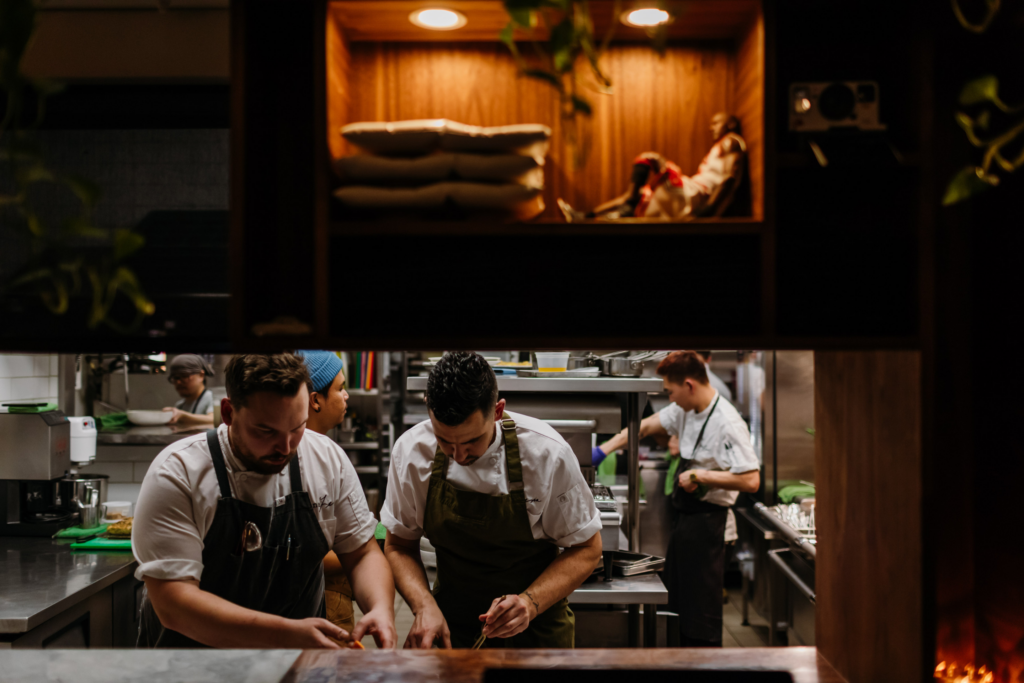
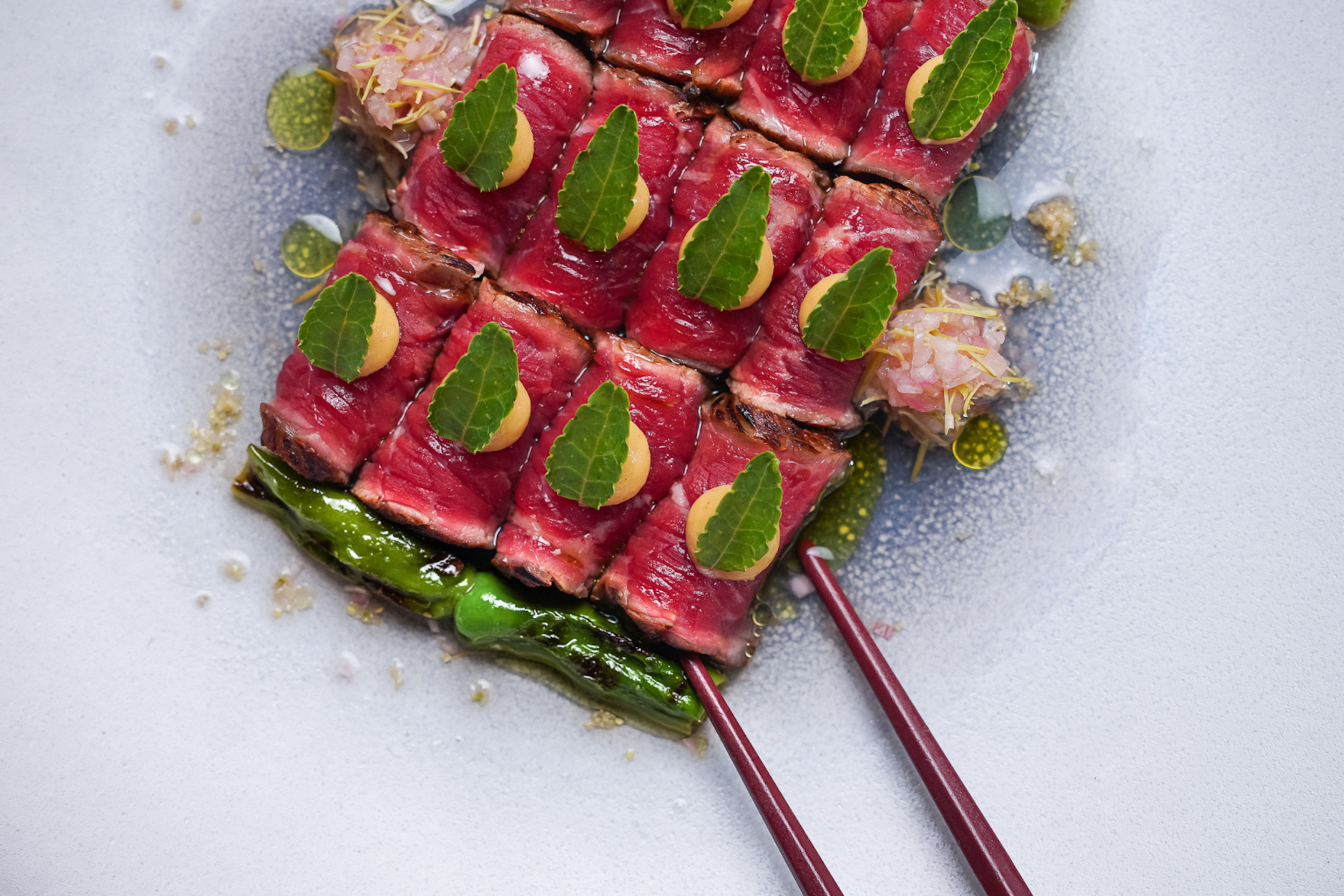
Vancouver-bound? You might want to get a head start on those reservations. Here’s a snapshot of our top 5 Vancouver restaurants. At AnnaLena, whimsy and imagination are elements of chef Mike Robbins’s cooking, along with a highly refined focus and a commitment to seasonal B.C. ingredients. Head over to Kissa Tanto and experience executive chef Joël Watanabe’s deeply sophisticated dishes, run through with dark Italian glamour and Japanese attention to detail. Sumibiyaki Arashi (our No.1 Best New Restaurant of 2026) is a temple to the art of grilling, with Peter Ho’s 16-course omakase menu centred on skewers of chicken. Find Published on Main and revel in chef Gus Stieffenhofer’s combination of Nordic sensibility (through abundant use of fermentation, as well as foraged ingredients like elderflower, nettles and sea asparagus). Finally, Le Crocodile celebrates the return of Rob Feenie through favourite dishes such as foie gras terrine, diminutive Dover sole and veal escalopes, all lending to a contemporary Vancouver touch.
Mere steps from Kitsilano beach, this revered little gem has lost none of its lustre. There have been structural and decorative changes — and more are promised — but the room retains its relaxed and visually playful charm, with Lego sculptures, Star Wars memorabilia and other nostalgic bric-a-brac popping vividly against the dining room’s moody navy blue décor. Whimsy and imagination are also elements of chef Mike Robbins’s cooking, along with a highly refined focus and a commitment to seasonal B.C. ingredients. Read the rest here.
The notion of taking itameshi (Japanese-Italian fusion comfort food) to a new, fine-dining level seemed thrillingly novel when Kissa Tanto opened 10 years ago. The food here still delights, thanks to the sophisticated imagination of executive chef Joël Watanabe and his team. Some dishes on the short menu have been there since the early days, such as charcoal udon with Dungeness crab and Calabrian chili butter, or the deep-fried whole Pacific rockfish (like giant tempura) with daikon-soy dip. But frequent specials keep things fresh and seasonal — burrata, for example, matched with organic beets and Hakurei turnips, chicories and a minted soy emulsion. Read the rest here.

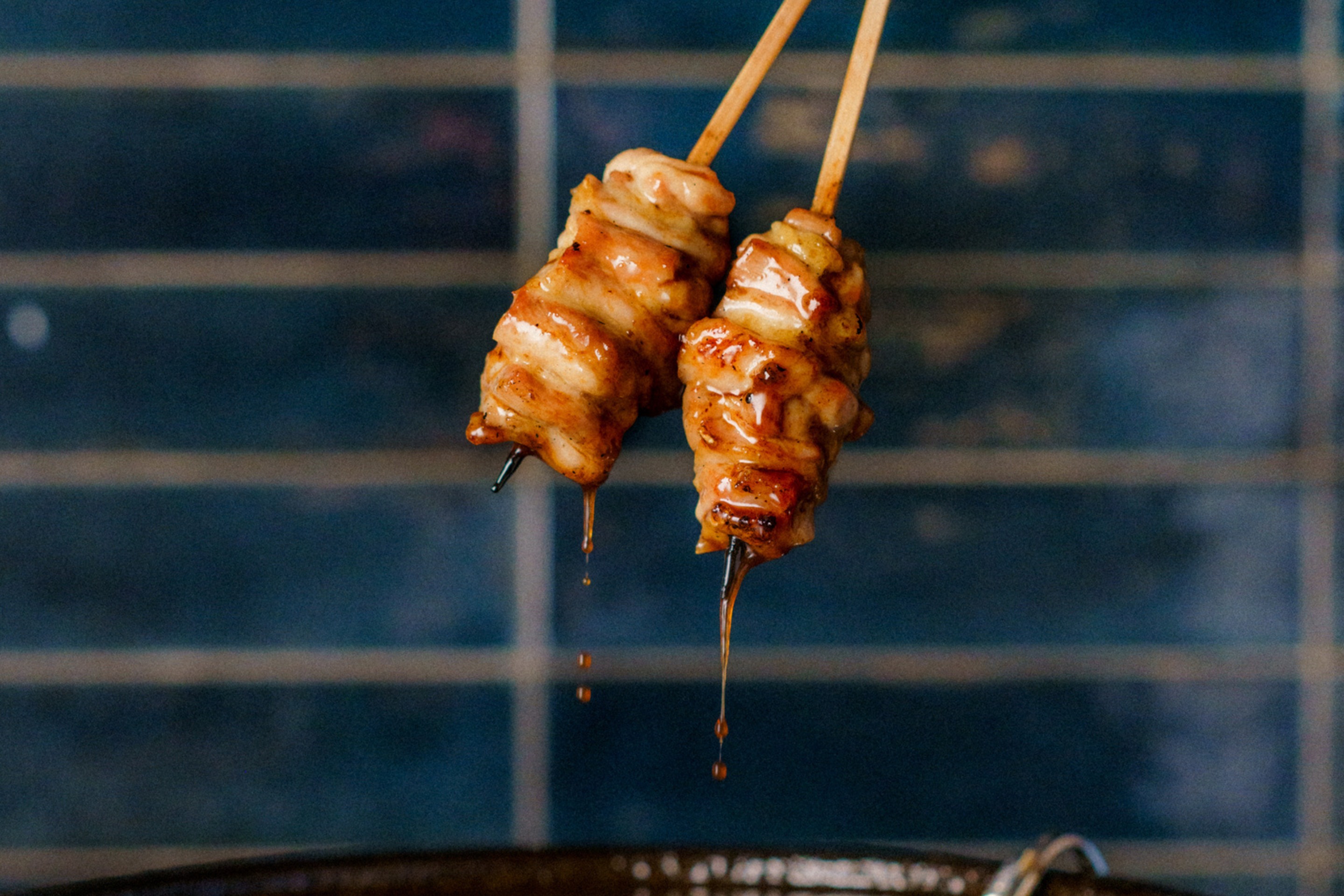
If there were a temple to the art of grilling, it would resemble Peter Ho’s serene, clean-lined 14-seat yakitori counter at Sumibiyaki Arashi. At its heart is the binchō-tancharcoal grill, of which Ho is a master, presenting a 16-course omakase menu centred around skewers of chicken — heritage birds, impeccably butchered, of which every morsel is used. Other dishes punctuate the procession of widely varied flavours and textures — chawanmushi with red crab and yuzu perhaps, or a sweet potato dessert. But chicken is the star, tender heart sizzling, skin crisped, bones and feet turned into a richly layered jewel of a broth. Read the rest here.
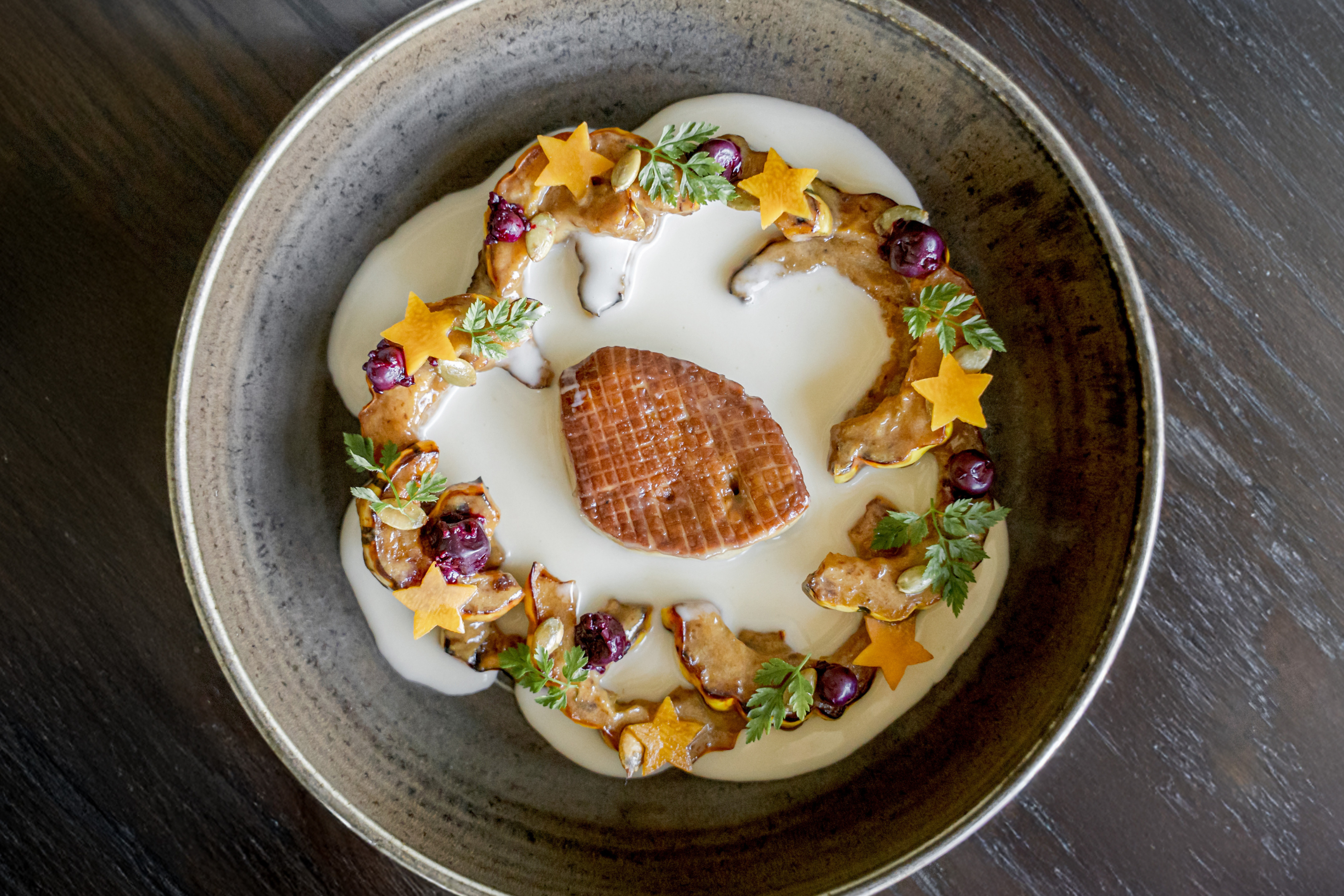
Gastro-pilgrims from around the world make this their destination, eager to experience the two-and-a-half-hour, 11-course tasting menu. Locals drop by to sit at the bar in the bright greenery-filled space and order à la carte — a similar gastronomic revelation that’s just as much fun. Either experience allows you to revel in chef Gus Stieffenhofer-Brandson’s singular combination of Nordic sensibility (through abundant use of fermentation, as well as foraged ingredients like elderflowers, nettles and sea asparagus), his own Manitoban German heritage and ingredients that exemplify the West Coast. Read the rest here.
Fans who mourned Lumière and Feenie’s from the 2000s were overjoyed when, in 2024, Rob Feenie returned to Vancouver’s fine-dining scene. But rather than start something new, he took over local institution Le Crocodile from his one-time mentor and its founding chef, Michel Jacob. A substantial renovation ensued. The dining room brightened with more natural light, blond woods, welcoming banquettes and an updated lounge area. Where the menu was concerned, Feenie proposed a similar refreshment instead of a reinvention. Read the rest here
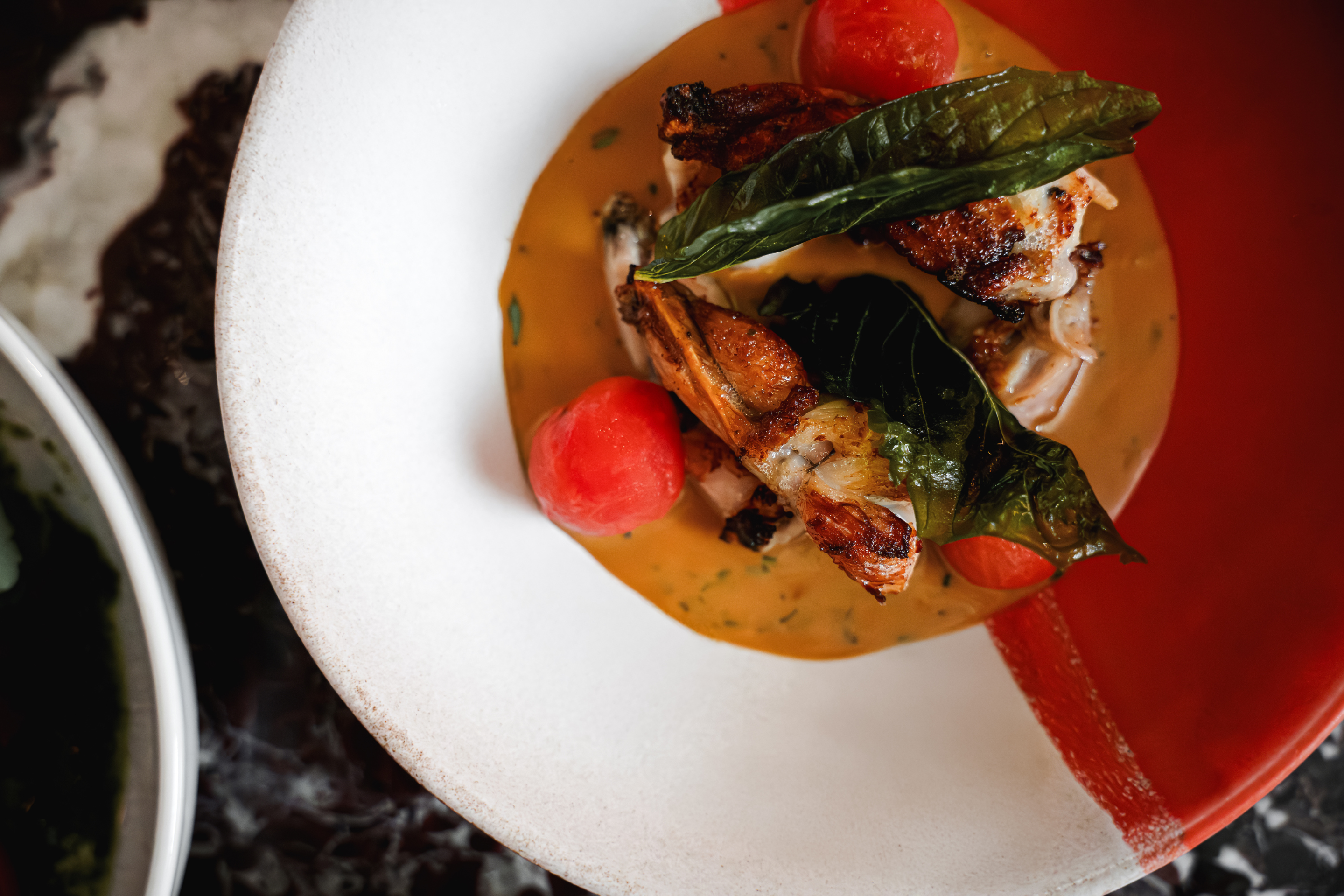
Photography by
AnnaLena (Allison Kuhl), Kissa Tanto (Hakan Burcuoglu), Sumibiyaki Arashi (Juno Kim), Published on Main (Sarah Annand), Le Crocodile (Sarah Annand)
Share: Facebook, X (Formerly Twitter)