![5th Oct: Mayor of Kingstown (2025), 4 Seasons [TV-MA] (7.1/10)](https://occ-0-1522-1001.1.nflxso.net/dnm/api/v6/0Qzqdxw-HG1AiOKLWWPsFOUDA2E/AAAABcttvD5ZKOnwnS-uqNIaM1RsqaI6Ft7DzgkIM4OFWCv3lUWMZwj8RihEgnbWfavUFoB2Dvq0v3bMGd0cx_fu4QeO9M4lFFPE1VJdxIEXNBoBtTJniP-u_kowcIpyBtfTekkzeIWGy3rKiXGNLiabtzfQSHvUzEeNqGooOswvgQ2axQ.jpg?r=4a2 "5th Oct: Mayor of Kingstown (2025), 4 Seasons [TV-MA] (7.1/10)")





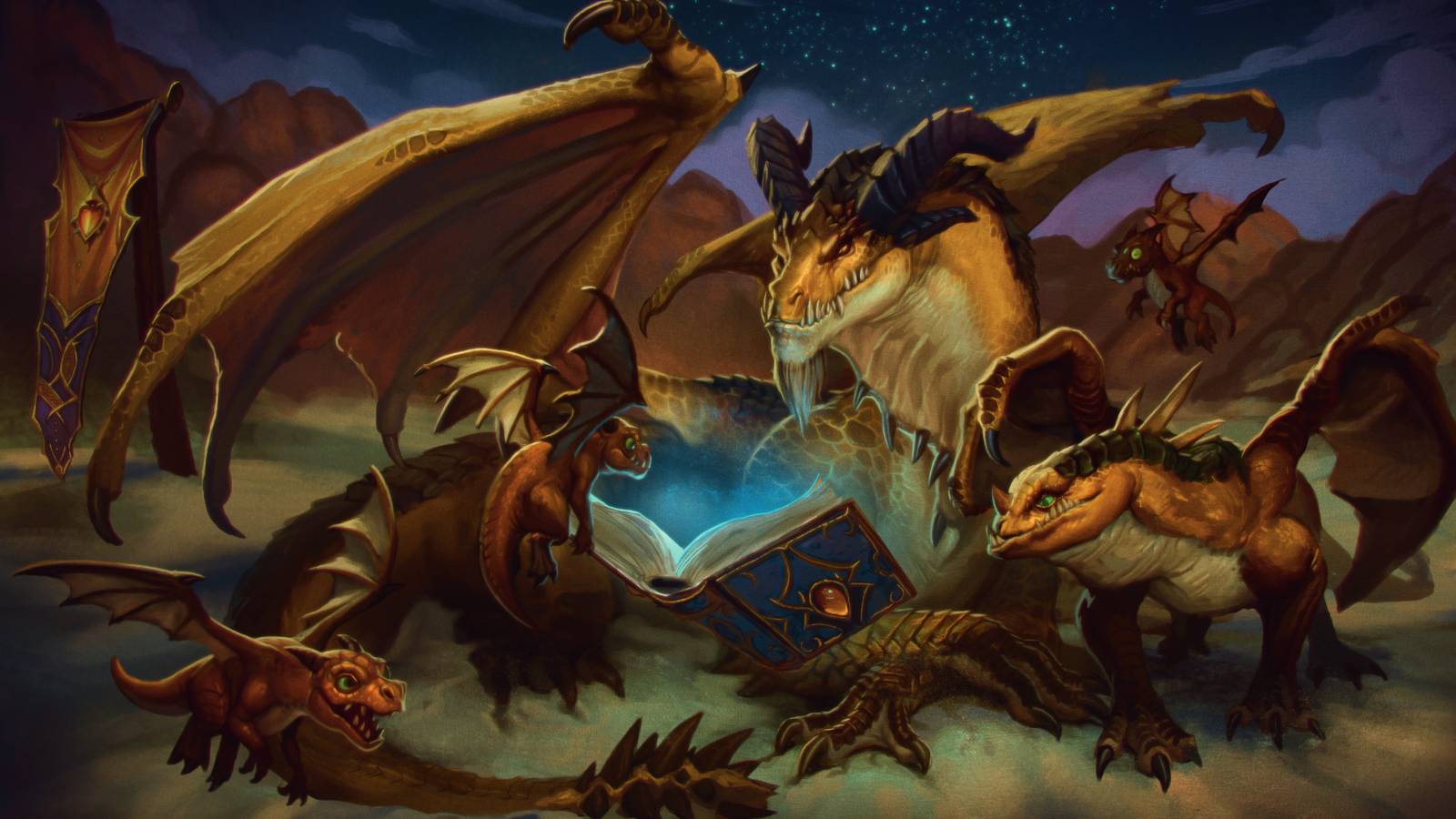
The next major Dungeons & Dragons sourcebook marks a significant change in strategy for the game as it embraces Magic: The Gathering’s controversial but highly profitable Universes Beyond licensing scheme. Dungeons & Dragons: World of Warcraft is designed to appeal to everyone who’s played the hit MMORPG since its release in 2004 while giving D&D players a lore-heavy world with as much depth as classic settings like Dragonlance or Eberron. But beyond building the audience for both games, the expansion is also serving as a way to experiment with the core rules of D&D 5.5 Edition.
The best gear in World of Warcraft comes from dungeons and raids where groups of five to 40 players take on powerful boss monsters. These bosses change their tactics throughout the fight, unleashing new powers or even summoning extra minions. Raid teams have to adjust their own strategies accordingly. During a virtual press conference, senior game designer Joey Haeck said that D&D’s new World of Warcraft sourcebook will replicate that effect by building on the ideas introduced in 2020’s Mythic Odysseys of Theros. When mythic creatures are reduced to zero hit points, they refresh their health and return with new abilities.
“We have mythic creatures as low as CR 4 for the lowest-level characters, and we have some higher-level mythics that will refresh more than once and give you new stuff to deal with over the course of a pretty protracted boss fight,” Haeck said.
D&D: World of Warcraft includes guides for running players through everything from the intro-level dungeon The Deadmines to the epic endgame battle against the Lich King in Icecrown Citadel, a digital adventure accompanying the book. The maps were designed to be less linear than in the MMORPG, and the book offers plenty of quest hooks and narrative suggestions, such as new monsters moving in if you leave the dungeon to rest. But playtesting made it clear that the boss battles needed to be the heart of the project.
“I think our boss design in this book and in Icecrown Citadel is really sort of pushing the frontiers of our monster design in new and interesting ways,” principal game designer James Wyatt said. “I’m looking forward to continuing to push that design forward in D&D more broadly.”
More fun, less math

WoW boss fights often rely on timers or complex math. For instance, players need to make sure they aren’t affected by the frost mage Lady Jaina Proudmoore’s Chilling Touch 20 times or they’ll be frozen solid and might get shattered before ally can thaw them out. The designers of D&D: World of Warcraft had to come up with flavorful alternatives that would be easier to keep track of in a tabletop setting. They gave Jaina the ability to freeze a character in place and then use the frozen character as the center of a huge area-of-effect attack. In both WoW and D&D, it’s extremely important to cure this debuff quickly, but the D&D book will let players deal with the problem by using fire damage rather than relying on restoration magic.
Moving to avoid debuffs and damage is another core element of WoW battles, and senior game designer Ben Petrisor said D&D: World of Warcraft players will have to do the same thing. The Lich King will curse characters to make them emit a burst that damages nearby characters at the end of their next turn, forcing everyone in their vicinity to run away.
“WoW is in real-time and it doesn’t always translate to a turn-based RPG, but I think we did a really good job of transferring the essence of those mechanics and design into their stat blocks and the overall gameplay,” he said.

Beyond delivering complex enemies, D&D: World of Warcraft will feature nine subclasses and more than 40 specializations to replicate the abilities of WoW characters. Most of these will fit neatly into the existing rules, like giving Clerics access to the Shadow Domain to make them play like a Shadow Priest. But the designers are also making bolder changes with options like the Oath of the Ebon Blade Paladin, which transforms a holy warrior into a Death Knight by trading not just specialization features, but core abilities like Lay on Hands and Divine Smite. Wyatt says he wants to keep exploring those kinds of swaps in future D&D books.
The designers of D&D: World of Warcraft emphasized that the book is focused on letting D&D players explore a popular fantasy setting rather than making D&D feel more like a video game. You won’t need to grind for loot or worry about respawning monsters, and you won’t be able to immediately restore all your health and spell slots with a quick snack. But the crossover does show how D&D’s designers are thinking about adding complexity to the game, and you’re likely to see more transformative subclasses and complicated boss fights spread from Azeroth to the game’s core settings.
Dungeons & Dragons: World of Warcraft will be released on Nov. 17.