



![1st Aug: Locked Up (2020), 2 Seasons [TV-MA] (6.9/10)](https://occ-0-858-92.1.nflxso.net/dnm/api/v6/0Qzqdxw-HG1AiOKLWWPsFOUDA2E/AAAABTTzn9EoreCPVaRzGoC0klnbLfrUZNk3_YPl3A6XwNGoMSD18pbBK_fR3wxzMogixuNei_ZCuxa6oqtGii0cYgtUhB2D-NvnLVzi.jpg?r=73e "1st Aug: Locked Up (2020), 2 Seasons [TV-MA] (6.9/10)")

![1st Aug: My Side (2026), 3 Episodes [TV-14] (6/10)](https://occ-0-7328-92.1.nflxso.net/dnm/api/v6/0Qzqdxw-HG1AiOKLWWPsFOUDA2E/AAAABSt8nQexeJhCxTppEu3GLTA5uoVdrcQaP3hw7P68m_B5dNK4-UGB_Dv1zNsT7oF2rpuh4OeavlSjLy__xu9PVqmhEDwRawO9mJTs056J-_d2ydyhXRBMJuQ5u5rwsES7guiRH3S9-A1wu0hd4x-LG_CvbXeyO2CMzUHm8yVemdulPA.jpg?r=e38 "1st Aug: My Side (2026), 3 Episodes [TV-14] (6/10)")

![1st Aug: Party Girl (1995), 1hr 34m [R] (6.25/10)](https://occ-0-650-92.1.nflxso.net/dnm/api/v6/0Qzqdxw-HG1AiOKLWWPsFOUDA2E/AAAABSmYA2fj8YiGB1f0kRmMRxqA1txKrk2Z6CqzvKfEai9HwTdg6P1ncIzW2P6JGmgqILNcKHKkgCiOecn1Dcc9yZdrP_Pl-KDxCA-d.jpg?r=fec "1st Aug: Party Girl (1995), 1hr 34m [R] (6.25/10)")


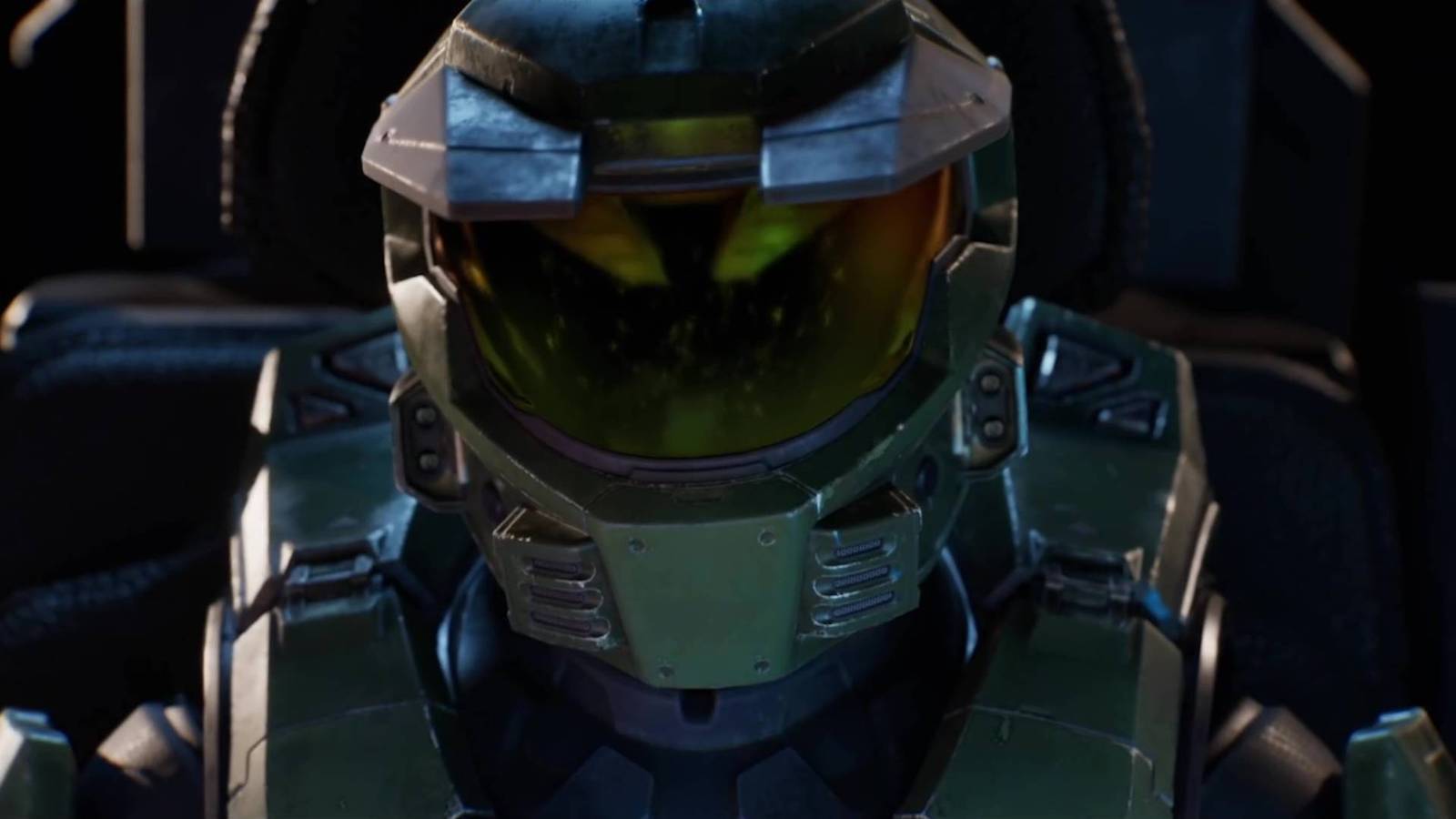
For the longest time, Halo: Combat Evolved was the only game I played on Xbox. Everything else on the system felt secondary. Then along came Fable, a fantasy RPG from Peter Molyneux’s Lionhead Studios that promised impossible freedom. You could get married. You could buy houses. You could become fat from eating too many pies. You could fart on command. To a 15-year-old in 2004, this was some seriously groundbreaking stuff.
Everybody remembers kicking chickens, growing devil horns when you did too many bad things, and lapping up the praise as villagers applauded your every move. But all these years later, the big moment that still sits with me is the unexpected cruelty of the game’s final choice — and how it came to define the bold narrative directions the series has become known for.
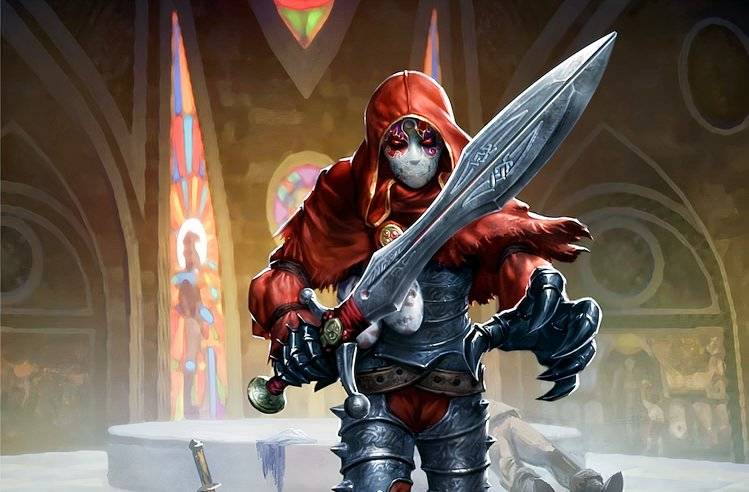
At the center of it all in Fable is a really cool sword called the Sword of Aeons.
The story begins like a fairly straightforward fairy tale. Your hometown of Oakvale is attacked by bandits led by the mysterious Jack of Blades. Your father is murdered, your mother disappears, and your sister Theresa is left traumatized and blinded. You’re rescued by the Heroes’ Guild and trained to become one of Albion’s legendary Heroes.
From there, Fable unfolds as a coming-of-age story wrapped inside a fantasy celebrity simulator. Heroes in Albion aren’t noble knights so much as mercenary rock stars. Villagers cheer when you enter town. Children follow you around. When you do something weird, everybody reacts accordingly.
Fable may be rather silly with all of its broad British humor, but it also has a very serious preoccupation with power. What are people willing to sacrifice to obtain it? How evil might one become to hold onto it?
The Sword of Aeons is an ancient blade tied to primordial evil with unimaginable power. Throughout the game, Jack of Blades manipulates events in pursuit of this weapon. The sword is treated as the ultimate reward, the kind of legendary treasure that we’re conditioned to crave. It helps that Jack himself is creepy, even otherworldly. He has clawed hands, a tattered red cloak, and a porcelain mask that accentuates some sinister-looking eyes. For some odd reason, he’s got another two of these masks strapped to his stomach.
Partway through the game, you participate in a gladiatorial arena competition and ultimately face off against your rival and childhood friend Whisper in the championship round. It’s perhaps the first time that Fable reveals itself as a gravely serious game, because after you win the fight, Jack encourages you to kill her — and sweetens the pot with 10,000 gold if you do.


It foreshadows Fable‘s ending, which is when it pulls off one of the boldest tricks of the Xbox era. After defeating Jack of Blades, the Sword of Aeons becomes yours. But to unlock its full power, you have to kill your blind sister with it. There isn’t some kind of vague “embrace darkness” dialogue option. Your sister is just standing there. The sword is in your hand. You can press the attack button to swing the sword, or you can cast the evil weapon into the abyss.
Most RPGs train us to pursue the best loot no matter the cost. Legendary weapons are the endgame reward. For perspective, other top weapons in the game include the Solus Greatsword and The Bereaver, which have base damage of 314 and 285, respectively. Yet the original Sword of Aeons had a base damage of 550.
I came extremely close to killing Whisper when Jack asked me to. 10,000 was a lot of gold, and she was kind of annoying to begin with. Then when I beat the game, the Sword of Aeons presented something even more tempting, despite the fact that I had spent the entire game playing the good guy. Yet being the good guy in Fable means you have to cast aside the ultimate prize. For a game largely remembered for its goofy humor, this is an astonishingly mean little choice. What makes it linger in my memory is that the decision genuinely felt difficult at 15 years old.
I picked the sword and ran around killing everything for five solid minutes. I didn’t want to kill Theresa, but the Sword of Aeons looked cool as hell. Its power was astonishing. I sacrificed dignity for power, and for a moment, the choice felt worth it.
But the world felt empty, and so did I. So I reset the game and fought Jack yet again so I could make the right choice. Fable weaponized the RPG reward loop and understood that players become emotionally attached to power. Succumbing to that urge made me feel guilty, and that was the entire point.


Fable 2 delivers an even harsher variation during its finale. At the top of the magical Spire, you’re given three possible options: resurrect the countless innocents who died building the Spire, resurrect your family and beloved dog, or simply gain a huge lump sum of gold. Even though you won, you still have to lose something. It’s a profound look at radically different codes of ethics. Are you the noble utilitarian, choosing to do the greatest amount of good? Or will you let emotional connections lead you to the deontological choice based on familial duty?
I picked the second option. I could not lose the dog. And I still feel sorry years later for acting so selfishly.
That tension is the real magic of Fable, the uncomfortable way the games occasionally stop being power fantasies long enough to ask players to compromise their moral integrity. While Fable 3 fumbled this a bit with broader, more political stakes to its choices, I have high hopes that the upcoming Fable game might be a return to form. Give us classic Albion aesthetics and that goofy comedic tone, but if developer Playground Games truly wants to capture what makes the series so special, Fable can’t just be farts and chickens. Bring back the cruelty. Bring back the Sword of Aeons.
