




![13th Jun: Kalank (2019), 2hr 45m [TV-14] (4.85/10)](https://occ-0-171-92.1.nflxso.net/dnm/api/v6/0Qzqdxw-HG1AiOKLWWPsFOUDA2E/AAAABU33rbts_dSOsQptV4F71oEc1Cs6O0o86Tj9ciBVBKbMcRDAD2wAQPGw0rRNTal6hUIc04Z1X0bIN724rhBZLze8I8d0XOlkVRosSy4DKMmVMEvZfBQlmwVkgUd5kmdozsmdd2x8UekUQrz3ErRAojqgYo_rHlM76KhTUihWdyr7rg.jpg?r=240 "13th Jun: Kalank (2019), 2hr 45m [TV-14] (4.85/10)")




Florida investigating OpenAI, ChatGPT
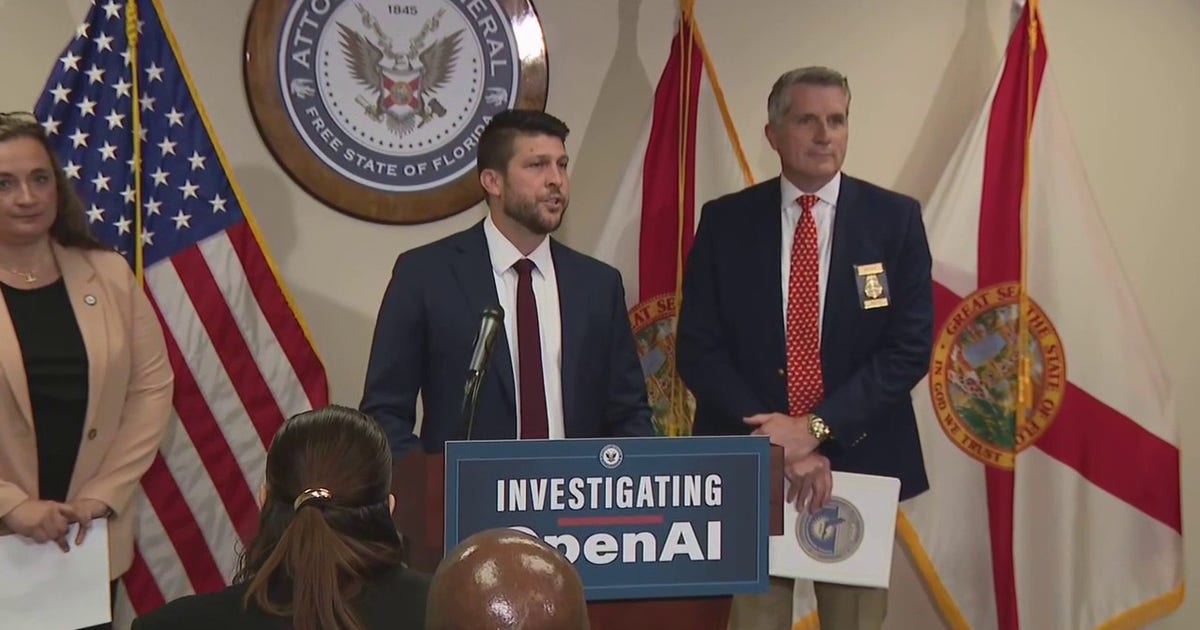
Florida’s Attorney General, James Uthmeier, says his office has launched a criminal investigation into OpenAI and ChatGPT. FOX 13’s Evan Axelbank reports.
TAMPA, Fla. – Florida’s Attorney General, James Uthmeier, says his office has launched a criminal investigation into OpenAI and ChatGPT.
Uthmeier made that announcement during a press conference on Tuesday morning in Tampa.
Criminal investigation into OpenAI & ChatGPT
The backstory:
The attorney general said that the state announced an investigation into OpenAI and ChatGPT several weeks ago, but for months his office has been examining harms that Floridians and Americans have suffered as a result of ChatGPT.
“We’ve seen increases in self-harm and suicides by kids using this platform,” Uthmeier said. “We have seen individuals use this platform to engage in criminal activity such as child pornography. Most recently, as we announced a couple of weeks ago, we have been looking into the recent FSU shooting and that shooter’s communications with ChatGPT. That communication and the review of that communication has revealed that a criminal investigation is necessary.”
Uthmeier added that technology and artificial intelligence are supposed to support, help, and advance mankind, not end it.
“The communication between the shooter and ChatGPT revealed that the chatbot advised the shooter on what type of gun to use. On which ammo went with which gun. On whether or not a gun would be useful in short range. ChatGPT advised the shooter on what time of day would be appropriate for the shooting to interact with more people and where on campus would be the place to encounter a higher population,” the attorney general explained.
Uncharted territory
Dig deeper:
Florida law states that anyone who aides, abets or councils someone on the commission of a crime and that crime is committed or attempted is a principal in the first degree.
“If that bot were a person, they would be charged as a principal in first-degree murder,” Uthmeier explained.
Uthmeier went on to acknowledge that while ChatGPT is not a person, it does not absolve his office and prosecution team of their duty to investigate if there is criminal culpability for a corporation.
“There’s nothing new about corporations being held liable for criminal conduct,” he shared. “With AI, we are venturing into uncharted territory, but we need to know if OpenAI has criminal liability.”
Uthmeier said the state will be issuing subpoenas on Tuesday that will seek information from March 1, 2024, and April 17, 2026, looking at all policies and internal training materials regarding:
- User threats of harm to others on the platform
- User threats of harm to self
- Cooperation with law enforcement, including policies on reporting past, present and future crimes
What they’re saying:
“We’re going to look at who knew what, designed what or should have known what,” Uthmeier explained. “If it is clear that individuals knew this type of dangerous behaviors might take place. That unfortunate, tragic events might take place and nevertheless still turned a profit. Still allowed this business to operate then people need to be held accountable.”
“We cannot have AI bot advising people on how to kill others,” Uthmeier said. “That is wrong and that is dangerous.”
The other side:
Uthmeier said that Open AI indicated that improvements and changes need to be made.
In a statement to FOX 13, OpenAI wrote, “Last year’s mass shooting at Florida State University was a tragedy, but ChatGPT is not responsible for this terrible crime. After learning of the incident, we identified a ChatGPT account believed to be associated with the suspect and proactively shared this information with law enforcement. We continue to cooperate with authorities. In this case, ChatGPT provided factual responses to questions with information that could be found broadly across public sources on the internet, and it did not encourage or promote illegal or harmful activity. ChatGPT is a general-purpose tool used by hundreds of millions of people every day for legitimate purposes. We work continuously to strengthen our safeguards to detect harmful intent, limit misuse, and respond appropriately when safety risks arise.”
What’s next:
Uthmeier said the companies have until May 1, 2026, to respond.
Florida’s attorney general said that the review is ongoing, and he said there will likely be more to come.
The Source: This article was written with information presented during a press conference with Florida’s Attorney General James Uthmeier in Tampa on Tuesday.
