

![2nd Oct: Midsommar (2019), 2hr 27m [R] – Streaming Again (6.55/10)](https://occ-0-937-2706.1.nflxso.net/dnm/api/v6/0Qzqdxw-HG1AiOKLWWPsFOUDA2E/AAAABR4MeEsx9643j5lHql0WQM8lMdGU_oQBDQAJ6BgG9HlMzcvpa4ITeXYbNZqXiaBen_XvnbFFWE-ahDEz3yIcGxsrfFjUODKX4ed3.jpg?r=20e "2nd Oct: Midsommar (2019), 2hr 27m [R] – Streaming Again (6.55/10)")


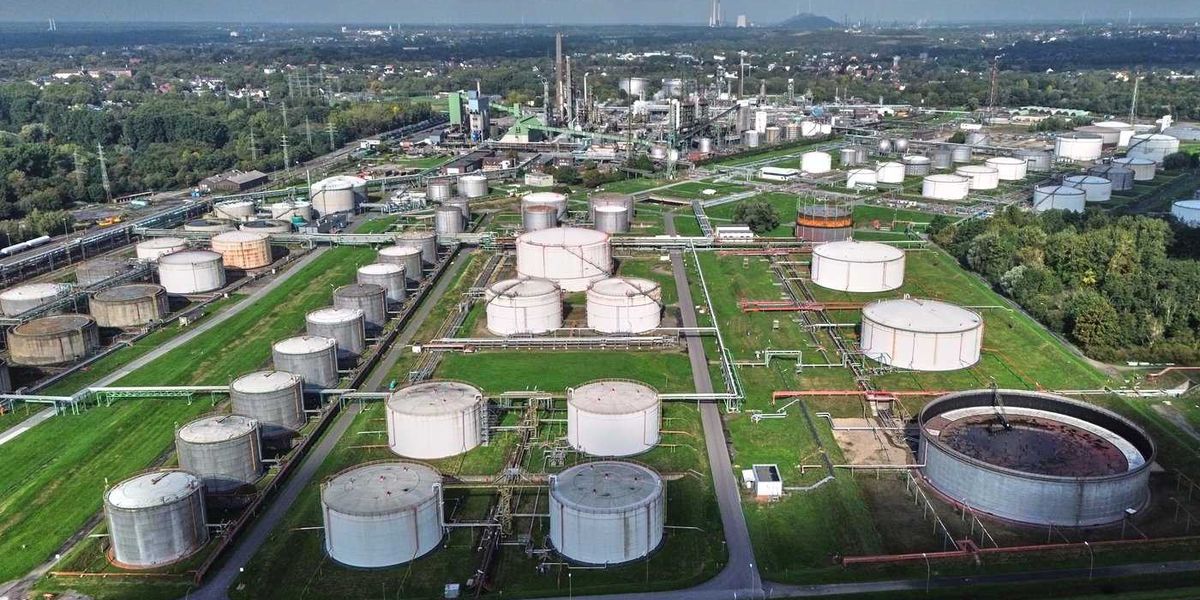
Canada and its fellow industrialized countries in the G7 agreed Friday to release 100 million barrels of oil and fuel products in the coming weeks.
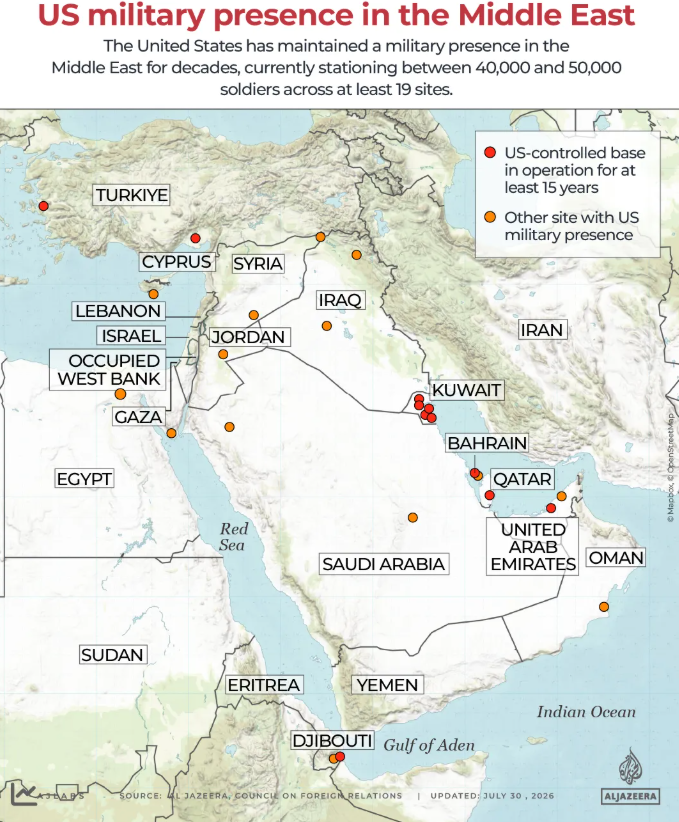
The pledge includes the release of “substantial” amounts of diesel after prices for the fuel recently hit record highs in the United States. U.S. President Donald Trump’s war in Iran and Russia’s war with Ukraine have both affected global oil supplies.
Trump announced the action Friday on social media, and the G7 — which includes the United States, Canada, United Kingdom, France, Germany, Italy, Japan and the European Union — later issued a joint statement.
Trump — who along with the Republican party are under heavy pressure to address surging fuel prices ahead of the Nov. 3 midterm elections — said the diesel release will happen “immediately,” while the G7 statement promised a “front-loaded substantial release” of diesel within the next 20 days.
Canada is the only G7 nation without a strategic oil reserve, as an oil-producing nation and net exporter of oil. The federal government said earlier this year it would increase oil production to contribute additional supply.
A spokesperson for Energy Minister Tim Hodgson’s office said Friday Canada will co-operate with the G7 by co-ordinating maintenance schedules for oil refineries to prevent too many from going off-line at the same time.
Canada’s diesel refineries are all operating near capacity already, the spokesperson said.
Gas prices in the U.S. and abroad have soared during the eight-month-long war that Trump launched. Trump has insisted the higher costs are justified by the need to ensure Iran does not obtain nuclear weapons.
The national average price for a gallon of diesel in the U.S. was $6.37 on Friday, down slightly from the record-setting $6.52 price on Sept. 22.
Natural Resources Canada reports the average price for a litre of diesel climbed from $1.52 in January, to $2.61 now. A litre of gasoline cost on average $1.33 in January, and $1.83 now.
G7 leaders have called on Iran to fully restore navigation in the Strait of Hormuz, a critical waterway for exports of energy and commodities. Since the war in Iran began, Tehran has controlled and at times closed the strait in retaliation for U.S. airstrikes.
“We commend the United States for its efforts to ensure the free flow of commerce through the Strait of Hormuz,” reads the G7 statement — which did not mention that Washington launched the war.
France holds the rotating presidency of the G7 group and issued the statement. The International Energy Agency will co-ordinate the effort to combat soaring fuel prices.
“We will implement our commitments with a co-ordinated release through the IEA of 100 million barrels (MB) to begin immediately over four months, including a front-loaded substantial diesel release within the first 20 days by G7 members and partners,” the statement said.
Some Republicans in the U.S. have called for Trump to ban U.S. exports of diesel to bring domestic prices down. But the G7 statement said the group, which includes the United States, also agreed not to limit energy exports to each other.
“We reaffirm our commitment to refrain from export restrictions on energy and energy products between G7 countries and call on all producers to refrain from imposing bans that could exacerbate market tensions,” it said.
Canadian Energy Minister Tim Hodgson said earlier this week Canada had a contingency plan in the event of the United States disrupting diesel supplies. Canada exports more diesel than it produces, but Eastern Canada does use imports from U.S. refineries.
Canada has seen prices increase but has not experienced a shortage of diesel.
This report by The Canadian Press was first published Oct. 2, 2026.
— With files from The Associated Press
Copyright 2026, The Canadian Press. All rights reserved.