





![29th Aug: Mise En Place (2026), 3 Seasons [TV-14] – New Episodes (6/10)](https://occ-0-772-1001.1.nflxso.net/dnm/api/v6/0Qzqdxw-HG1AiOKLWWPsFOUDA2E/AAAABXLGUiU_-DFyKx0vgZUIXzAE2isgpKFavQG4pBZnTr1oTTcEtDEetfY3ixTMDGkBj3M9RWbR_fMgpmf2tQ3-v6w6pgzR0pBP1ysQfHPmUlQofa4iWdMgxLHUV4PRyZE3atBP7aPhO4NpqbGsU5EgpTl4WokQbeYTQ1w0ybwS.jpg?r=ade "29th Aug: Mise En Place (2026), 3 Seasons [TV-14] – New Episodes (6/10)")




A women’s advocacy organization and several other groups that support gun control are urging Prime Minister Mark Carney to fully implement a key facet of firearms legislation passed 30 months ago.
The measure makes a person subject to a protection order — a legal order often issued in intimate partner violence cases — ineligible to hold a firearms licence while the order is in effect.
The provision is intended to quickly remove firearms from the hands of abusers at the time when they are often the most dangerous.
The government says the term “protection order” has to be defined in regulation and record-keeping and reporting requirements must be brought into force to fully implement the changes.
In a media statement, groups that support firearm control urge the Liberals to move the measure forward “without further delay” and to adopt regulations that define “protection order” broadly.
The statement was issued by multiple organizations, including the National Association of Women and the Law, PolySeSouvient, Danforth Families for Safe Communities, Canadian Doctors for Protection from Guns, the Canadian Femicide Observatory for Justice and Accountability and the Quebec Mosque.
In an analysis endorsed by the other groups, the National Association of Women and the Law says the firearms bill passed in December 2023 sought to protect women and children from intimate partner gun violence by ensuring that individuals who are subject to protection orders cannot hold firearms licences, and that their licences are revoked.
It says Parliament deliberately adopted a broad definition of “protection order” in the bill to ensure any binding civil or criminal order made to protect the safety or security of a person would trigger licence revocation.
It says that, despite this clear legislative direction, the government is proposing a more narrow approach that excludes certain criminal protection orders like bail release orders and probation orders.
“Excluding these orders creates an arbitrary and dangerous distinction,” the analysis says. “A survivor who has obtained a peace bond where no charges were laid will be protected by the automatic licence revocation, while a survivor whose abuser has been charged and released on bail with similar no-contact conditions may not.”
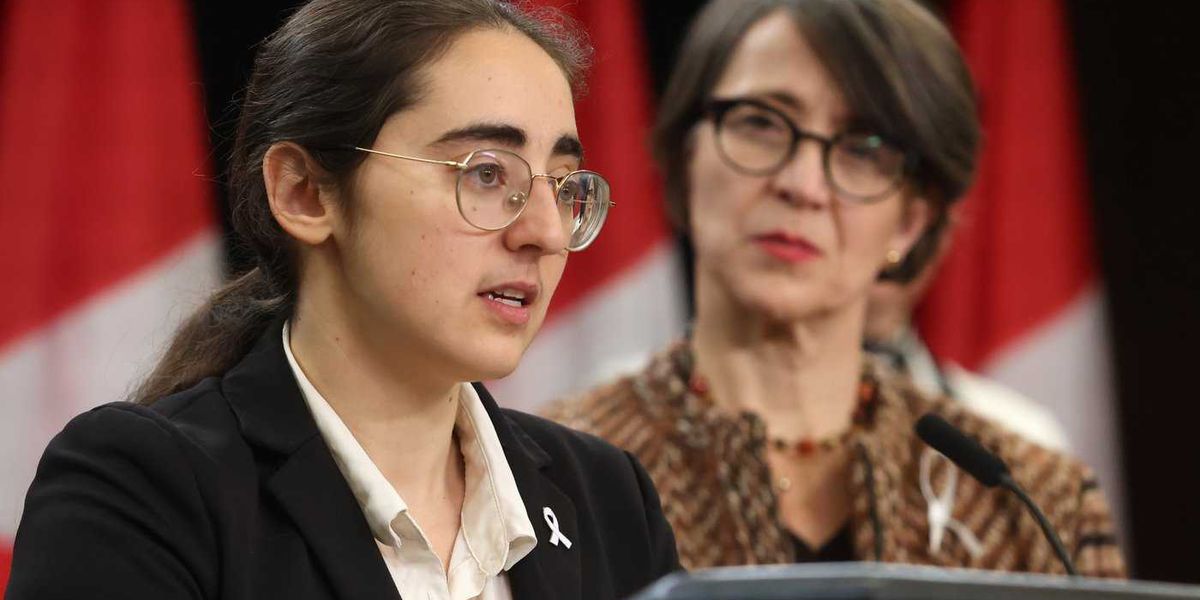
Suzanne Zaccour, the National Association of Women and the Law’s director of legal affairs, says in the media statement that it “makes no sense that some survivors would receive protections while others would not, based not on the level of danger they face, but on procedural technicalities.”
“Violence does not become less lethal because it is dealt with in a different stage of the legal system,” she added.
Public Safety Canada wrapped up a public consultation on the planned regulations in early March.
Public Safety Minister Gary Anandasangaree said in a recent interview the government had to put “quite a bit of work” into the process and it hopes to have the regulations in place by late September.
This report by The Canadian Press was first published June 18, 2026.
By Jim Bronskill | Copyright 2026, The Canadian Press. All rights reserved.
