



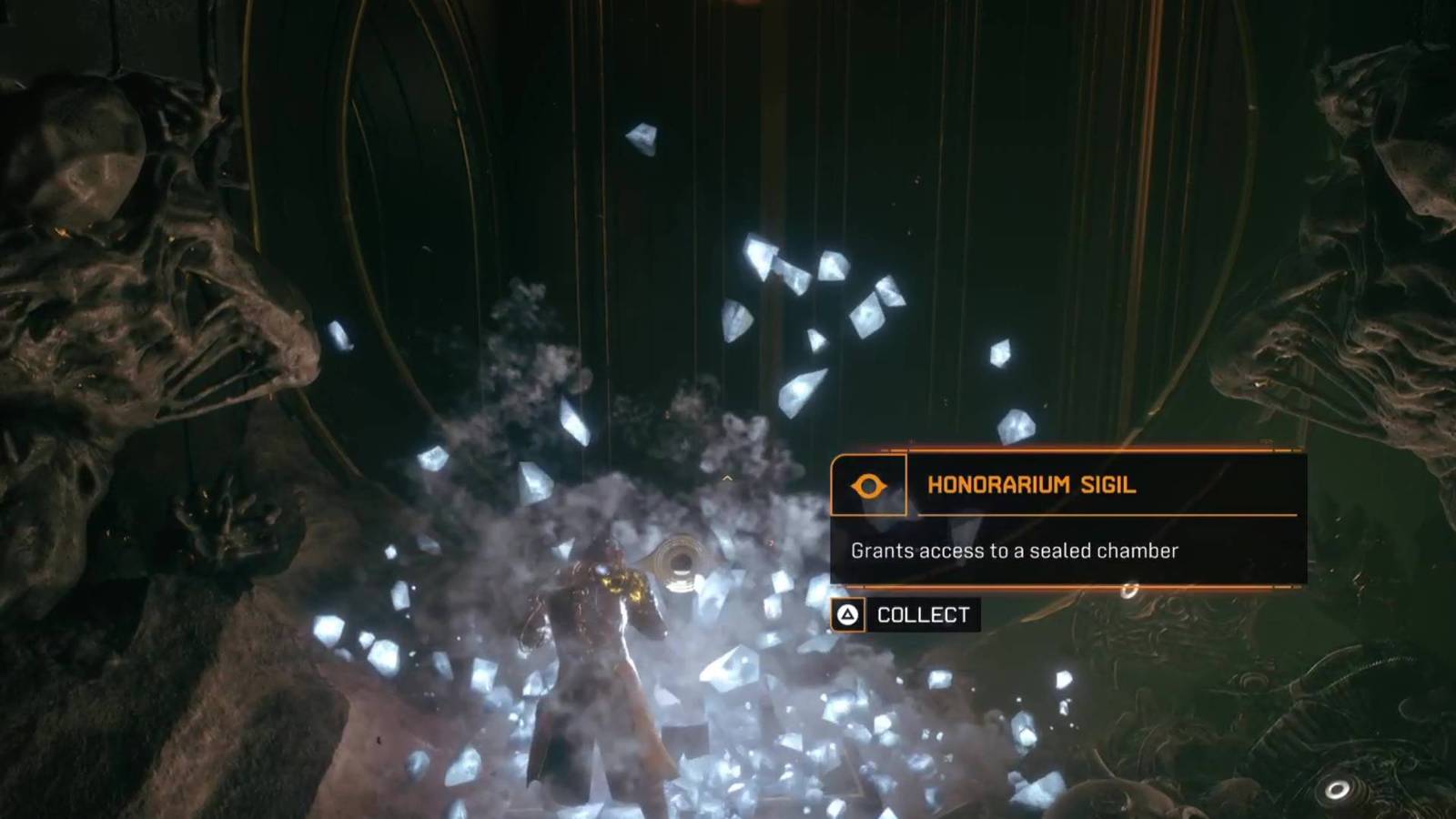

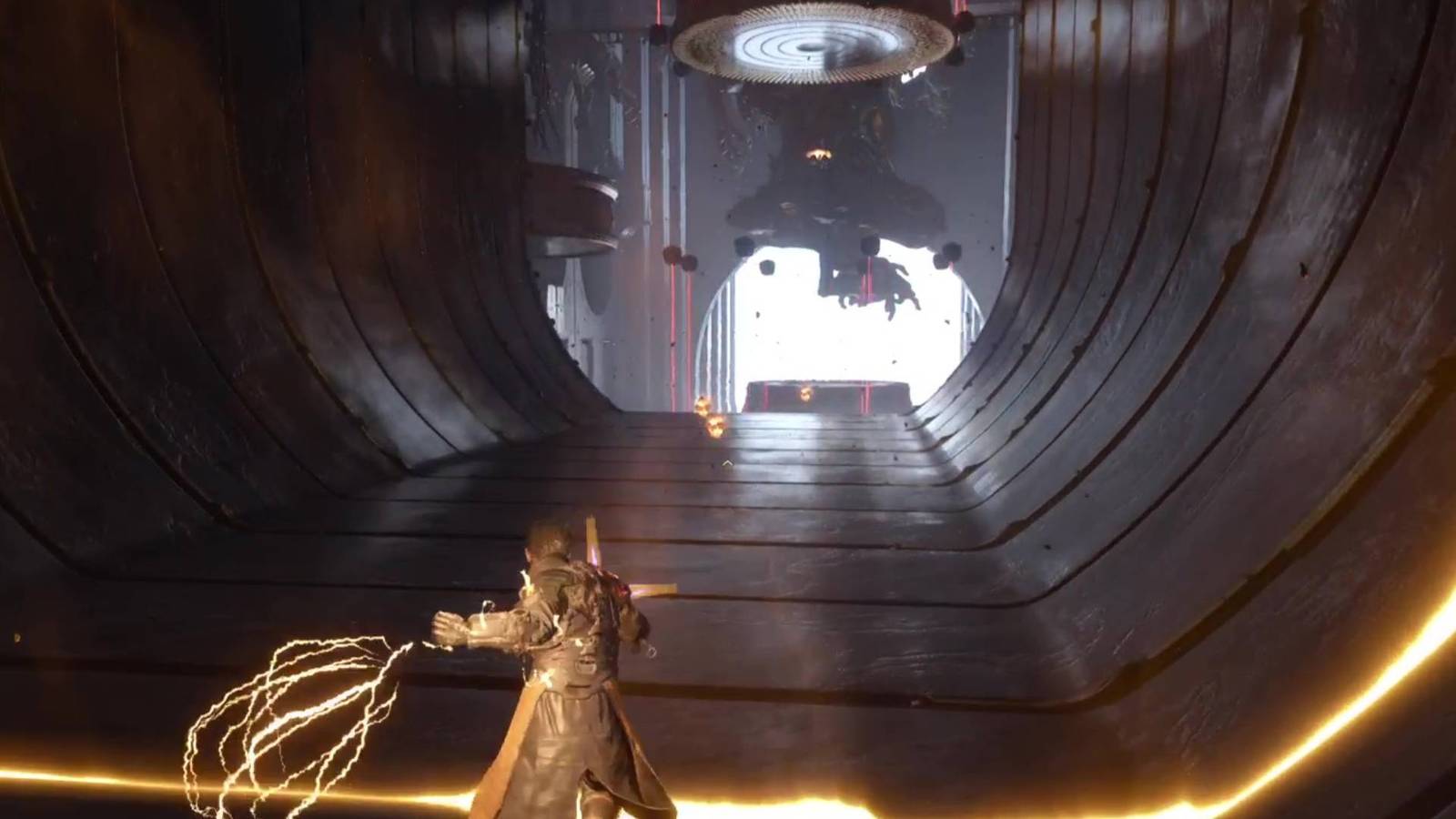


On paper, I am Highguard’s target audience. I’m a hero shooter fan who built her career writing about Apex Legends (and is still secretly hoping we get a Titanfall 3 one day). I was a little baffled by its placement in The Game Awards’ coveted “one last thing” spot, but I was absolutely willing to give it a chance. I enjoyed the game’s buttery smooth movement mechanics and satisfying gunplay, but still feel that something is missing, and I’m clearly not alone. I’ve spent most of the month since the game’s very rocky launch asking myself, “How the hell did this happen?”
The answer to that question has slowly revealed itself over the last few weeks, with a recent report for Bloomberg’s Jason Schrier filling in most of the blanks: Per former Wildlight Entertainment employees, “hubris” from senior management and a lack of adequate playtesting all but guaranteed Highguard’s downfall.
The game’s Steam player count hovered near 100,000 on launch day, but quickly cratered. (It’s at a wince-inducing 469 players as I write this.) Two weeks later, the vast majority of its development team at Wildlight Entertainment was laid off. This caught me off-guard at first — the game was struggling, which would obviously make it difficult to keep the lights on at Wildlight’s offices in LA and Seattle. But the studio — largely made up of former Respawn devs and Call of Duty veterans — had positioned itself as being relatively free from the corporate stranglehold most AAA studios operate under. Then it came out that Chinese gaming megalith Tencent had secretly funded the majority of the game. As confirmed by former Wildlight employees in the Bloomberg report, Tencent quickly decided to pull funding, resulting in the layoffs.
In the wake of those layoffs, former Wildlight dev Josh Sobel posted an article on X about his experience with the game’s creation and launch. There, too, is evidence of what can most charitably be described as a concerning level of optimism about launching a game in an oversaturated, extremely competitive market.
In the now-deleted X post, Sobel cited positive feedback Highguard received after internal tests and preview events, along with praise from the dev team’s friends and colleagues. One apparently even said, “If there’s one project nobody in the industry is worried will fail, it’s yours.” Devs at Wildlight were told that Highguard was “lightning in a bottle.”
The problem is that small-scale tests with content creators and members of the press are not a good indicator of how several hundred thousand players are going to behave in-game. I’ve attended enough preview events to know that the way I play a game alone at home is very different from the way I play when I can flag down a nearby developer to answer any questions I may have. What Highguard needed wasn’t a shadow-drop, it was a public beta.
An open beta test could have told Wildlight a lot. It may have even saved Highguard. It certainly would have given devs a better idea of how players behave in-game, and more importantly, it would have given them the truth at a time when negative feedback could have resulted in an improved gameplay experience rather than lost jobs. Beta testers would have told Wildlight that the maps were too big, that the combatless opening moments of each match were too long, that the bizarre Vesper-mining feature — a vestigial bit of gameplay leftover from when Highguard was a survival shooter — made no sense. Beta testers might have even convinced devs to launch the game with a more varied lineup of Wardens, rather than saving some of the coolest character designs for future seasons that may never come.
I understand wanting to keep what you’ve got under wraps until launch day, especially when you think you’ve got something good. With the minds behind Titanfall, Apex Legends, and CoD’s infamous “No Russian” mission all working together on a game, I can see why Wildlight felt confident in the project. But unfortunately, the current state of the live-service shooter industry all but demands widespread playtesting. Even Marvel Rivals held a closed beta before launch, and Rivals has a massively successful IP behind it. Highguard doesn’t.

I do have to give credit where credit is due: Wildlight has been extremely quick to implement player feedback. Hours after I declared that the game’s limited-time 5v5 mode should be permanent, my wishes were granted. The official website is back up, and the remaining skeleton crew at Wildlight continues to pump out lore and content updates. There’s still a part of me that hopes Wildlight manages to pull a No Man’s Sky and turn this whole thing around somehow. Not every failed shooter launch ends like Suicide Squad or Concord. Splitgate 2 (now called Splitgate: Arena Reloaded) is still limping along, after all.
But if there’s one lesson the industry takes away from Highguard‘s post-launch saga, I hope it’s a lesson about the value of listening to player feedback before launching a game into a notoriously competitive, extremely fickle market in which retaining a dedicated playerbase requires figuring out exactly who your game is for, and catering to that demographic. Playtesting is the best way to get to know your potential audience, and at the very least, it surely could have saved Wildlight some heartache.