![28th Aug: The Secret Woman (2026), 1hr 58m [TV-14] (6/10)](https://occ-0-953-1001.1.nflxso.net/dnm/api/v6/0Qzqdxw-HG1AiOKLWWPsFOUDA2E/AAAABUaNbXkeQnHoWtU-z7Bg7eVF_jcyaRT2W3E7LU7zRVoEY0rhrmDmkkVK97bn1sGoFkkR0tW1ZnMiJP3pxjyPJCFr9hUNx8YwfRiY-v2CvWnXM88FgZHthfp8TtMDbda3CwYKPqmhKLK0Zfnv1OCkt9IojaIGOD0nMQCFlYrOGY7RCQ.jpg?r=b65 "28th Aug: The Secret Woman (2026), 1hr 58m [TV-14] (6/10)")



Compare this with the trilogy’s pre-9/11 film, The Terminal, and you see a much sunnier view of humanity, one where isolationism and bureaucracy are foes that can be defeated through the power of community and America’s openness to foreigners. Casting an American icon like Tom Hanks in the lead role of Viktor Navorski, a traveler from the fictional Eastern European country of Krakozhia, is a savvy move to disarm the audience as they see such an endearing performer walk into an airport and become the loneliest man in the world.
Furthermore, as Clark points out, casting Hanks is useful to “charm the audience and remind us that foreigners are humans and not bomb threats.” Even though the film is set after 9/11, its attitudes towards non-Americans is inviting, to where it says that even a stateless person like Viktor can be welcomed into our melting pot society. What we owe to each other forms the backbone of the plot’s episodic structure and exists in its payoff of Viktor visiting a jazz club to get Benny Golson’s signature as a means for Viktor to honor the memory of his late father.
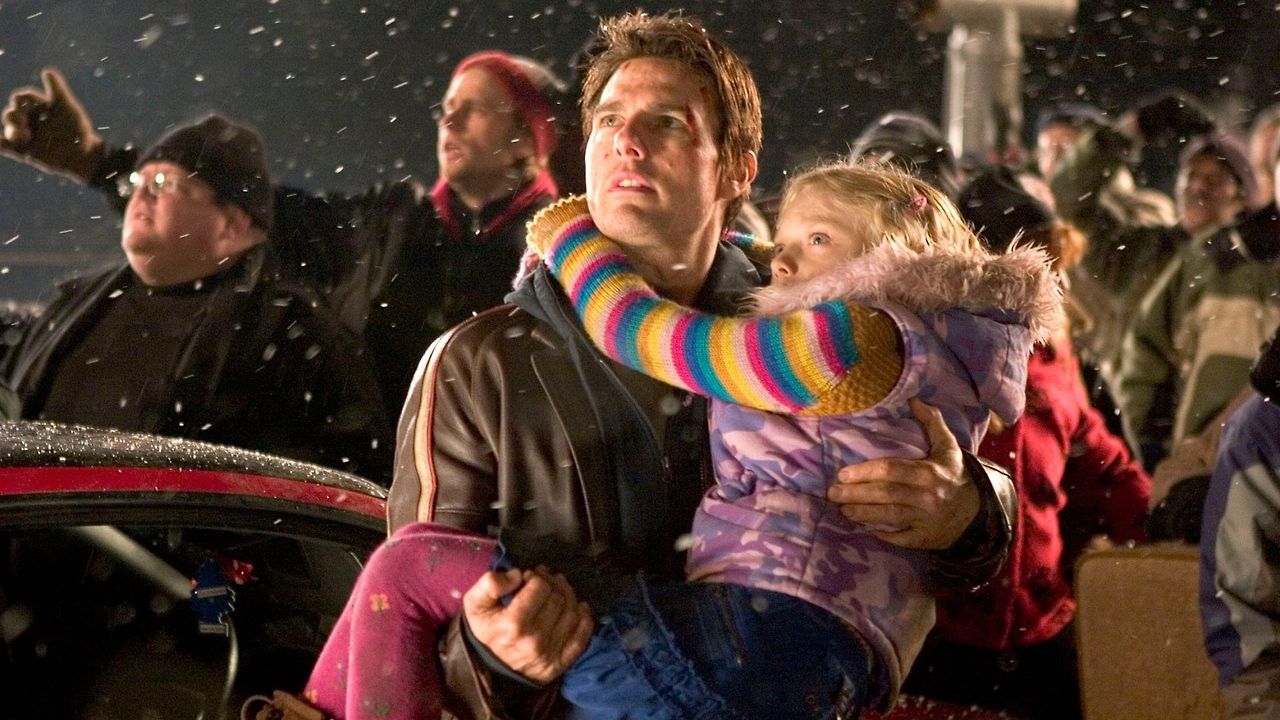
In War of the Worlds, even acts of benevolence turn sinister. When Robbie tries to run off and join the army in their fight against the aliens, Ray tells Rachel to wait by a nearby tree while he goes to bring him back. An elderly couple, seeing Rachel by herself, thinks she’s been abandoned and attempts to take her with them despite her pleas that her dad is in eyesight. Ray has no choice but to let Robbie go in order to save Rachel, thus losing his son so he can remain with his daughter. Not long after, Ray thinks that he and Rachel may have found sanctuary with a nearby stranger, Harlan (Tim Robbins), only to quickly realize they’ve cast their lot with a violent madman.