-0-960-0-540-crop-fill.jpg?k=005dde188c "The Past Is Present: a starter pack of twenty great films set in Ireland, Life in canada")
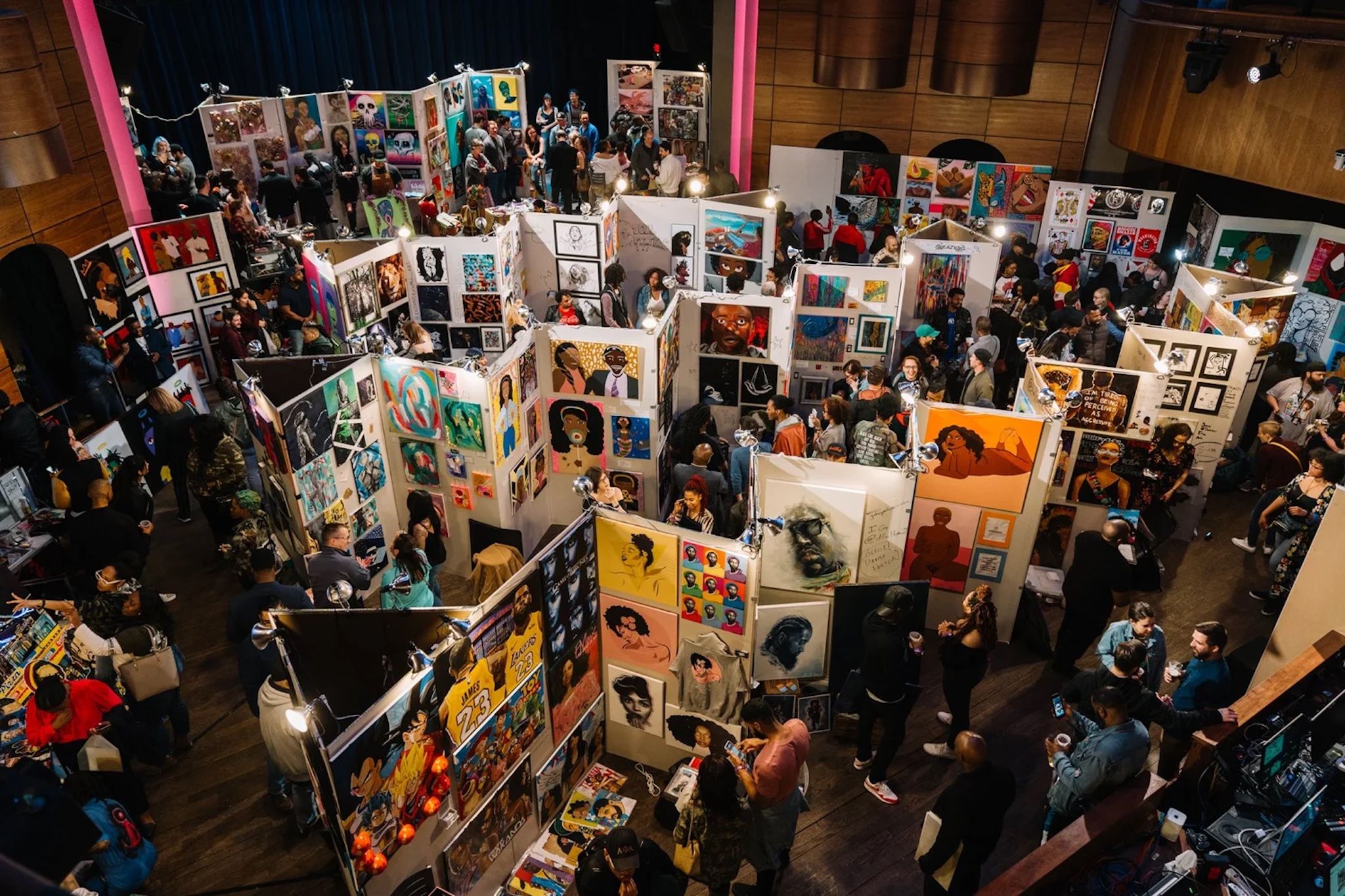




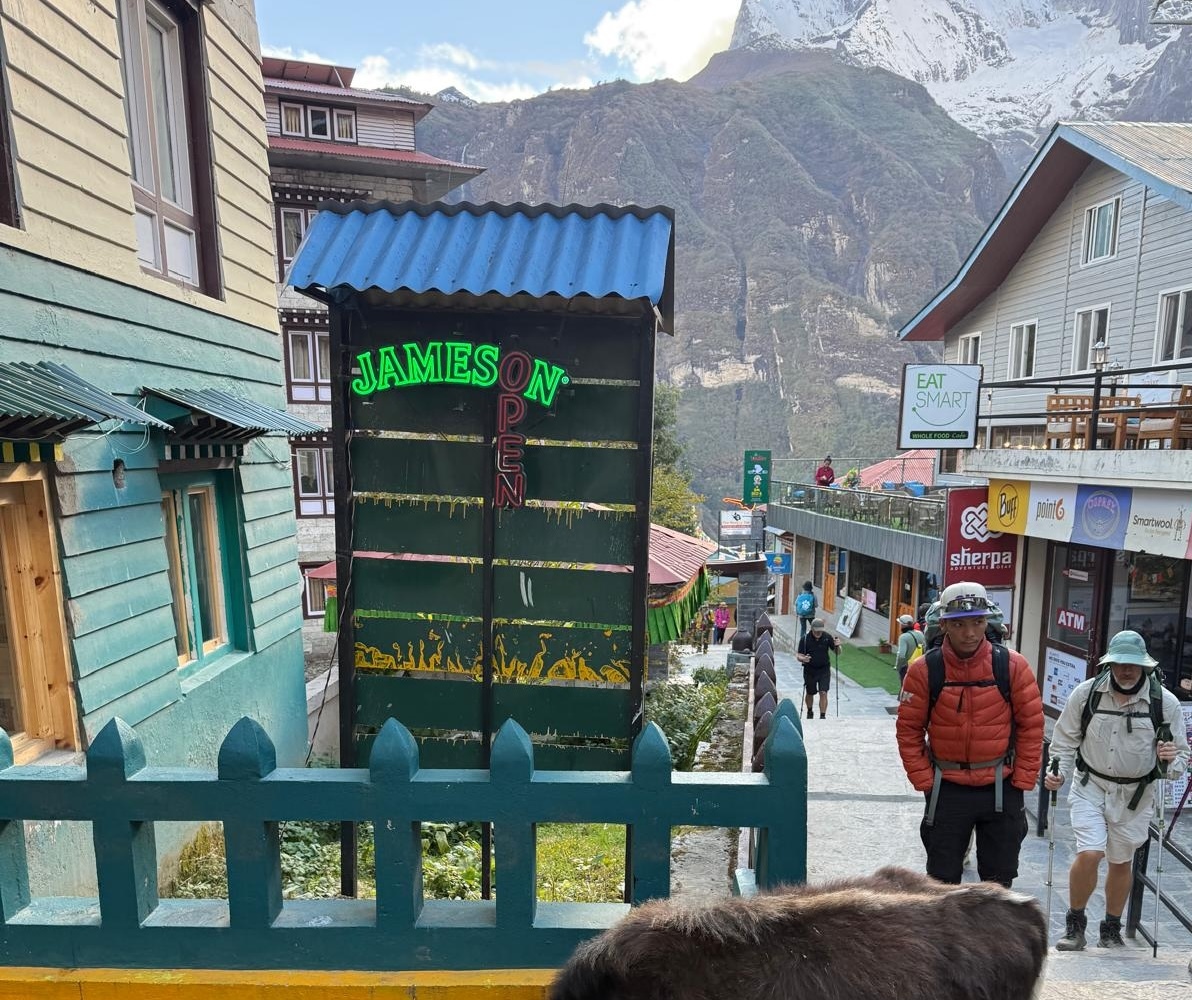
At The Irish Pub in Namche Bazaar, everything mostly looks and feels, well, like an Irish pub. There’s a screen showing the footie (Arsenal versus Fulham). ‘Where Is The Love’ by the Black Eyed Peas is blasting from the speakers. The WiFi password is ‘getpissed’. There’s a darts board, a pool table, beer on draft, a tacky Jimi Hendrix artwork on the wall and tables graffitied with the signatures of previous customers.
But look again, and you’ll notice some peculiarities that probably wouldn’t pass in your standard Dublin boozer. Guinness, for example, is only served in cans. The clientele is almost exclusively dressed in non-ironic gorpcore. A stray yak loiters outside the front door. That’s because, at 3,440 metres high, this is the highest Irish pub in the world.
RECOMMENDED: I visited the Central American region on every 2026 travel list – it’s wild, remote and worth the journey
Namche Bazaar, the largest town in Nepal’s Khumbu region, is home to an estimated 1,600 permanent residents, primarily of Sherpa ethnicity – a population that swells significantly during peak hiking season, when porters and tourists from all over the world use the town as a base, staying in teahouses (or the swanky Everest View Hotel) to reach Everest Base Camp and surrounding treks.
Nestled in a backdrop of dramatic snow-capped mountains, the walk from the closest non-commercial airport, in Lukla, takes around ten hours: less if you’re a porter, and up to two days if you’re on the usual tourist route, allowing time for acclimatisation. In other words? Not the most convenient if you’re craving a pint.

The Irish Pub was opened in 2011 by Namche local, Dawa Sherpa, who wanted to build a venue 50 meters higher than Paddy’s Bar in Cusco, Peru, to claim the title of the world’s highest. ‘Irish pubs are everywhere in the world,’ says the 29-year-old bar manager, Krishna Shahi, who has worked here for 11 years. ‘My boss decided, why not in Namche?’
Everything, from bar stools to cans of Guinness, has to be brought up my mules, yaks or cargo porters
The pub has grown significantly since opening, and Krishna says they have hopes to extend the space even further. Of course, that’s easier said than done: everything, from bar stools to cans of Guinness, has to be brought up by mules, yaks or cargo porters, who carry backbreaking loads of up to 120 kilograms. The pub’s tables and chairs were flown from Kathmandu to Sangboche, the domestic airport above Namche Bazaar, and carried down by porters, while the pool table was divided into parts and carried up by six people, from Lukla.

The black stuff, sold at 1,000 Nepalese Rupee (equivalent to around five British pounds), is the real challenge: due to imports, they can only serve cans, which must be carried up by porters because ‘mules are too risky’. The Alcohol By Volume is 6.8 percent (sold as Guinness Foreign Extra Stout), rather than the standard 4.2 percent brew sold across Europe, because ‘by the time the lower percentage arrives in Namche, it explodes, due to the altitude’. That said, Krishna says that most people want to try the local Nepali beers: the Gorkla lager is the most popular, with the Barahsinghe Craft and Sherpa draft close seconds.
Lucas, 35, from Georgia, is drinking solo at the bar, staying in Namche for two nights on his way up to Everest base camp. ‘Any time I’m travelling, I always look for the Irish Pub, because you know that a certain type of person is going to go there,’ he says. ‘Irish pubs have been established as the pub globally – if you’re going to open up a local pub, you might as well take a stable brand’.
The Irish pub: ‘A shorthand for a particular type of globalised tourism’
The establishment of Irish pubs in far-flung parts of the world can be traced back to the mass Irish emigration of the late nineteenth century; today, the Irish Pubs Global Federation estimates there are at least 6,500 worldwide. There’s one in neighbouring Lukla, and in Kathmandu. And while they’re always a reliable place to sink a pint, they’ve also become a shorthand for a particular type of globalised tourism, where menus are in English and cafés all look sort of the same, whether you’re in Sri Lanka or Guatemala. Namche is one of these gentrified towns: beside the mountaineering shops, live music bars and souvenir shops selling prayer flags and small Buddha statues, there’s an ‘organic bar’ serving oat milk and matcha and a knock-off Dunkin’ Donuts shop called Yak Donuts.

Since the sixties, the popularity of the Everest base camp route in the Sagarmartha region has reshaped the local economy, and now, many locals rely on tourism to make a living: Krishna works here for the season, September to December, and then returns home to Kathmandu before a shorter stint in March until May. But business is never guaranteed: the weather in the region can change drastically and often, tourists will divert their trip to the Annapurna circuit in the western part of the country if the forecast is not looking good.
According to Krishna, tourism hasn’t yet recovered to pre-pandemic levels. ‘There used to be a time when the Everest Base Camp trek was overcrowded, but not this season,’ he says, pointing to headlines about the recent Gen Z protests and shock clips of climbers queuing to reach the summit of the famous mountain circulating on social media. ‘That’s why, when people do come, we hope they drink as much as possible!’
travelled as guests of Plotpackers, who run group trips to Everest Base Camp. Our reviews and recommendations have been editorially independent since 1968. For more, see our editorial guidelines.
ICYMI: Heritage tourism is leading to an African travel boom – here’s why Black travellers are embracing the trend.
Stay in the loop: sign up to our free Travel newsletter for all the latest travel news and best stuff happening across the world.