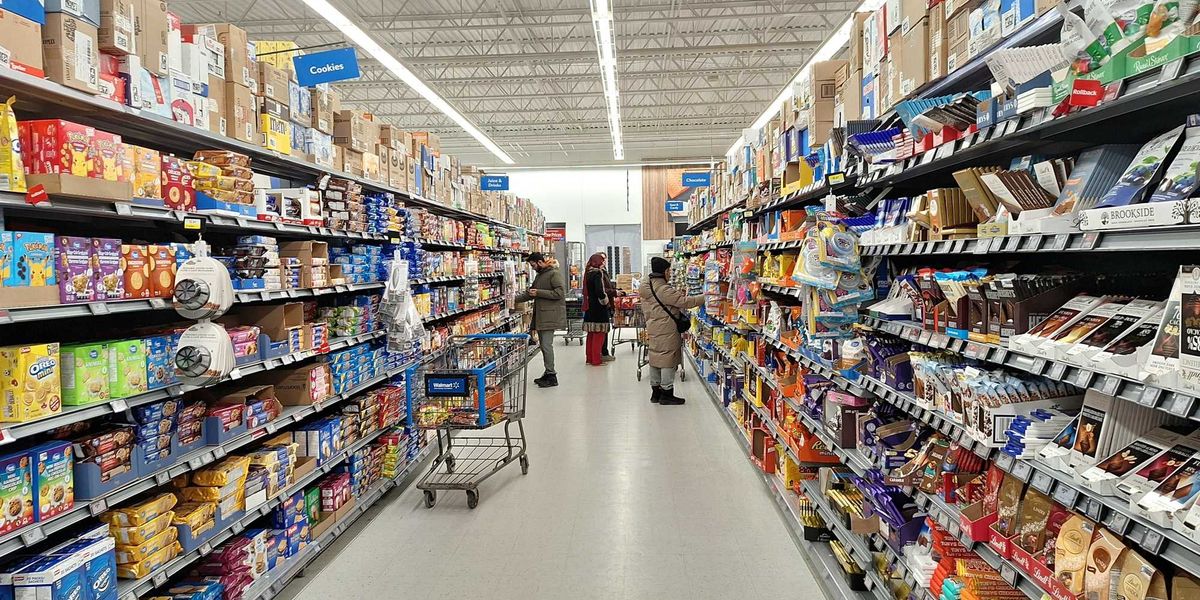







Often, a lot of attention goes into what we’re going to eat for our meals (shoutout to anyone thinking about dinner right now), but snacks tend to be less thought-out and more of a spur-of-the-moment decision.
Especially if you eat your snack while watching TV or are at the computer, it’s easy to consume way more calories than you intended. This is particularly the case when the snack of choice is low in satiating nutrients like protein, unsaturated fats and fiber.
Related: Here’s Exactly What Happens to Your Cholesterol When You Eat Bananas
That doesn’t mean snacking is “bad.” In fact, snacks are an opportunity to support your health. It just depends on what you choose to eat. With this in mind, we asked cardiologists what their go-to snack is, particularly when it comes to supporting heart health and keeping blood pressure down.
After all, cardiologists see firsthand how dietary choices (good and bad) impact heart health. “I am a firm believer in the mantra ‘you are what you eat.’ When you’ve sat with a 40-year-old who just had his or her first heart attack and you review their diet history, it’s pretty easy to recognize alarming trends, most of which can be fully avoided with dietary diligence. I personally have become much more intentional about eating patterns; not obsessive, but intentional,” says Dr. Travis Benzing, MD, a cardiologist with Harbor Health.
Dr. Benzing says that he has shifted his eating habits to support what scientific research has shown: That eating a diet consisting mostly of plants and with minimal ultra-processed foods is best for cardiovascular health. What does this mean in terms of snack choice? Keep reading to find out.
🩺SIGN UP for tips to stay healthy & fit with the top moves, clean eats, health trends & more delivered right to your inbox twice a week💊
A Cardiologist’s Favorite Snack for Heart Health
Kinga Krzeminska/Getty Images
When Dr. Benzing wants a snack, his go-to is unsalted pistachios. “A small handful in the afternoon is genuinely satisfying, can help to satisfy the afternoon lull, and the research behind them is surprisingly strong,” he says.
Dr. Benzing adds that unsalted pistachios are one of the most nutrient-dense nuts for cardiovascular health. He explains that they’re high in potassium, which counteracts sodium’s blood-pressure-raising effects. They also contain magnesium, which he says can help to relax the smooth muscle in artery walls.
Related: The One Habit That Can Lower Your Blood Pressure Overnight, According to a Cardiologist
“They also deliver arginine, an amino acid that’s a precursor to nitric oxide, which blood vessels use to dilate and reduce resistance,” he adds.
According to Dr. Benzing, clinical research has shown that regular pistachio consumption can meaningfully reduce both systolic and diastolic blood pressure. “And because they’re filling, with protein, healthy fat and fiber together, they displace worse snack choices,” he tells Parade.
Related: Exactly How Many Steps a Day Could Lower Your Blood Pressure
Other Cardiologist-Approved Blood Pressure-Lowering Snacks
Dr. Mark O’Shaughnessy, MD, a cardiologist with Parkview Health in Fort Wayne, Indiana, has a different go-to snack choice. He opts for an apple, specifically a Cosmic Crisp apple, which is known for its sweet-tart flavor. Scientific research does show a connection between regularly eating apples and lower blood pressure, so if you aren’t into pistachios, it’s another excellent snack option. Or, you can have pistachios and an apple together!
Switching up your snack choice will help provide your body with a wider range of nutrients, so it’s helpful to have a range of heart-healthy snacks on hand. When building your snack stash, Dr. O’Shaughnessy says that what’s most important for people with hypertension is to avoid snacks that are high in sodium. That means not keeping salty chips, pretzels or beef jerky in the pantry.
Instead, Dr. O’Shaughnessy says to stock up on a range of fruits and vegetables. This is because they’re high in fiber and antioxidants, two nutrients that directly support heart health, including blood pressure.
Fruits like grapes, berries, bananas, cherries and plums can all be eaten as-is without any prep. As for veggies, sliced carrots or red peppers can be paired with hummus, salsa or guacamole—a lower-sodium and more nutrient-rich pairing than using tortilla chips.
Dr. Benzing notes that another heart-healthy snack is edamame, which is high in potassium, magnesium and protein. Have more of a sweet tooth? He says that Greek yogurt and dark chocolate is a great way to satisfy it while supporting your blood pressure because the Greek yogurt is high in potassium and calcium, while the dark chocolate has flavanols, a type of antioxidant that supports nitric oxide production, which causes blood vessel relaxation.
Does managing your blood pressure mean never getting to snack on foods like cookies and chips? Not at all. “I have always been an advocate of moderation in everything, especially in food. I don’t have a problem with someone eating a donut or candy occasionally—I have an insatiable sweet tooth myself—but it needs to be in moderation,” Dr. O’Shaughnessy says.
When you’re following a heart-healthy diet the majority of the time, it’s not a big deal to have a salty plate full of French fries or a sugary piece of cake now and then. After all, food isn’t just about nourishment. It’s about enjoyment, too.
Up Next:
Related: The One Carb (Yes, Carb) Cardiologists Swear by for Better Cholesterol
Sources
- Dr. Travis Benzing, MD, cardiologist with Harbor Health in Texas.
- Diab, A., Nedda Dastmalchi, L., Gulati, M., et al. (2023). A Heart-Healthy Diet for Cardiovascular Disease Prevention: Where Are We Now? Vascular Health and Risk Management. 19:237-253.
- Diets Containing Pistachios Reduce Systolic Blood Pressure and Peripheral Vascular Responses to Stress in Adults With Dyslipidemia. Hypertension. 60(1):10.1161.
- Dr. Mark O’Shaughnessy, MD, cardiologist with Parkview Health in Fort Wayne, Indiana.
- Sun, C., Chen, Y., Guan, Y., et al. (2025). The influence of different forms of apple products on all-cause mortality in patients with hypertension. Frontiers in Nutrition. 11:1461196.