![5th Aug: PEOPLE Stories (2026), 2 Seasons [TV-14] – New Episodes (6/10)](https://occ-0-953-1001.1.nflxso.net/dnm/api/v6/0Qzqdxw-HG1AiOKLWWPsFOUDA2E/AAAABZb-m7BJWuWe464tCLEHSAXtn2SS3n9oVyOj2S-_V2gCmiJawcUbvDUMWra7V5gi1IckLbDWKp1ie3r5N2DgBby-QQfj6JLGZa_uhxgpU1Ce2o3wCMSOZ3FwOdEYXLMow3uq-4HPkk8Xci60T50R2PM0448GEkxbmDXT3mK-.jpg?r=4e8 "5th Aug: PEOPLE Stories (2026), 2 Seasons [TV-14] – New Episodes (6/10)")





-0-1280-0-720-crop-fill.jpg?k=17eed16723 "Willem Dafoe reflects on some of the most memorable roles of his career • Journal • A Magazine • , Life in canada")


The organization representing Inuit in Canada says the federal government program meant to subsidize the high cost of food in the region, isn’t working and should be scrapped.
The call to shut down Nutrition North is part of Inuit Tapiriit Kanatami’s new poverty reduction strategy, set to be released Tuesday.
The report says the program has failed to improve food security in Inuit Nunangat, the Inuit homelands, and that its fragmented approach is not fully aligned with Inuit priorities.
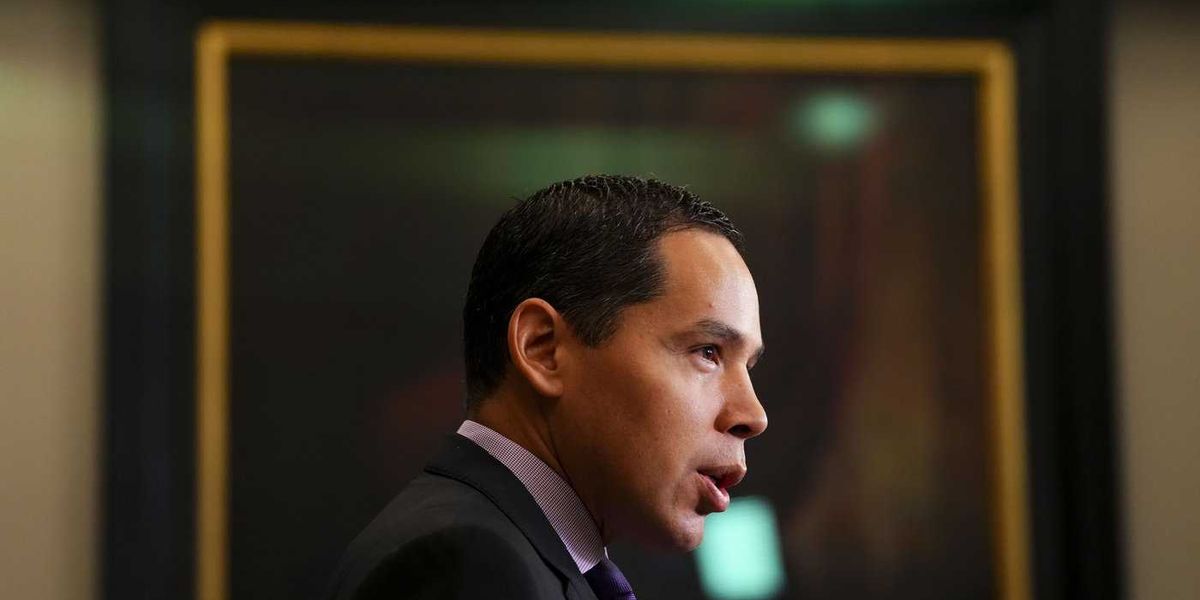
“It’s a scattershot approach in a policy environment that is begging for specific intervention,” ITK president Natan Obed told The Canadian Press.
“We want to take back control more of this space and say, ‘If the government of Canada is going to spend a dollar on poverty reduction, on food security, on the well-being of children, that we’d love to do it within these policy parameters and the priorities that we have decided ourselves that we feel will make the best possible difference.'”
Nutrition North provides money to retailers to help bring down the high cost of groceries in 124 communities. Some retailers have been accused of not applying the full subsidy to the items they sell.
The report says Nutrition North should be replaced with a new program exclusively for Inuit households, one with stronger transparency and accountability measures.
It’s calling for the establishment of co-ops and other locally-owned food retailers to give Inuit greater control over supply chains and food pricing, and for expanded support for harvesting and community-led food security initiatives.
“If the government of Canada is going to spend upwards of $200 million on food security in the North, we believe that those who need it most should be the ones that benefit from it,” Obed said.
Non-Indigenous Canadians living in Inuit Nunangat have a median individual income of $100,000, while the median individual income for Inuit in the region is about $32,000, the report notes.
Non-Indigenous Canadians in Inuit Nunangat are also more likely to be employed, to have completed high school and to have a post-secondary degree, the report says. They also have an average life expectancy of 85, compared to 72 for Inuit, and are more likely to own homes and be food-secure.
ITK’s report also features the first-ever Inuit Nunangat market basket measure, which estimates the cost of a basic standard of living. It’s based on Statistics Canada’s own market basket measure, which Canada uses as the official measure of poverty.
It covers the cost of food, clothing, shelter, transportation, personal hygiene products and communications technology.
ITK estimates the Inuit Nunangat market basket measure at $74,000 per year for a family of four. By comparing that figure with average family incomes, ITK estimates that about 41 per cent of families living in Inuit Nunangat experienced poverty in 2023, the year the data was collected.
Obed said those numbers came as no surprise to him and show why Ottawa’s approach to food security in the North is failing.
“It is an issue that has massive implications for the sustainability of our society and the well-being of our people,” he said.
The strategy proposes the federal government move toward an Inuit-led program with stable, long-term funding.
It also proposes the co-development of an education policy and support for Inuit-led education initiatives, including funding for Inuit Nunangat University, which is set to open in 2030. That university will offer Inuit students the opportunity to obtain post-secondary degrees in their territories for the first time ever.
The report calls for more federal measures to strengthen the Inuit economy. It says Ottawa should ensure Inuit-owned businesses benefit from the military procurement push.
The strategy also calls for a needs-based guaranteed livable income and enhancements to income assistance and minimum wages.
Obed said if Canada doesn’t act to reduce poverty in Inuit Nunangat as it seeks to secure the Arctic, it risks repeating what it did in the 1950s when it tried to assert its sovereignty over the region by relocating Inuit communities and destroying their way of life.
The report says reducing poverty in Inuit Nunangat requires commitment, accountability and sustained investment, and Inuit themselves need to be at the table.
“With the right partnerships, resources, and respect for Inuit self-determination, we can close the gaps in opportunity and well-being and ensure that all Inuit have the means to live healthy, empowered, and prosperous lives,” the report says.
“Current interest in Arctic development serves as an impetus for partners to strengthen Inuit communities through innovative dual-use infrastructure that embodies the whole-person approach to effectively address poverty and close the gap between Inuit and non-Indigenous communities.”
This report by The Canadian Press was first published June 9, 2026.
By Alessia Passafiume | Copyright 2026, The Canadian Press. All rights reserved.


![5th Aug: Mardi Gras: Spring Break (2011), 1hr 28m [R] (5.55/10)](https://occ-0-1522-1001.1.nflxso.net/dnm/api/v6/0Qzqdxw-HG1AiOKLWWPsFOUDA2E/AAAABYGHlVSH8ddHZg4XBPKl_L_DNeVTWS_5jhLZ0QHA9CPkKNJcGZNveSS9pUBsF0fa7jxodOSszhWz1JPHzLyQ2JmFh5UBt044x7bs.jpg?r=1fe "5th Aug: Mardi Gras: Spring Break (2011), 1hr 28m [R] (5.55/10)")