



![21st Feb: The Garfield Movie (2024), 1hr 41m [PG] (5.85/10)](https://occ-0-495-2705.1.nflxso.net/dnm/api/v6/Qs00mKCpRvrkl3HZAN5KwEL1kpE/AAAABYxcyztQHNj_wNCTlNc9OjTcwcj7cVVHUJoaeTIccgv02pbcakRDuFFK9F8p-torhzTSRySfFJoHAkgjI_X3GHWD8bnz5pHcj54I3JHdgygllY2H5w73tRPxRz4A2HgqM1EcZqYP_AcbeNaKAF7CFOSLZnaBk0hvaF6Py2xGJBMnlA.jpg?r=bf1 "21st Feb: The Garfield Movie (2024), 1hr 41m [PG] (5.85/10)")





An artist can’t possibly know the long-term impact their work will have on the world when they first unveil it. All they can do is create something they truly believe in, let it loose, and hope that it resonates with someone. Who knows if it will be derided, forgotten, or celebrated? The most important step is getting the thing out there.
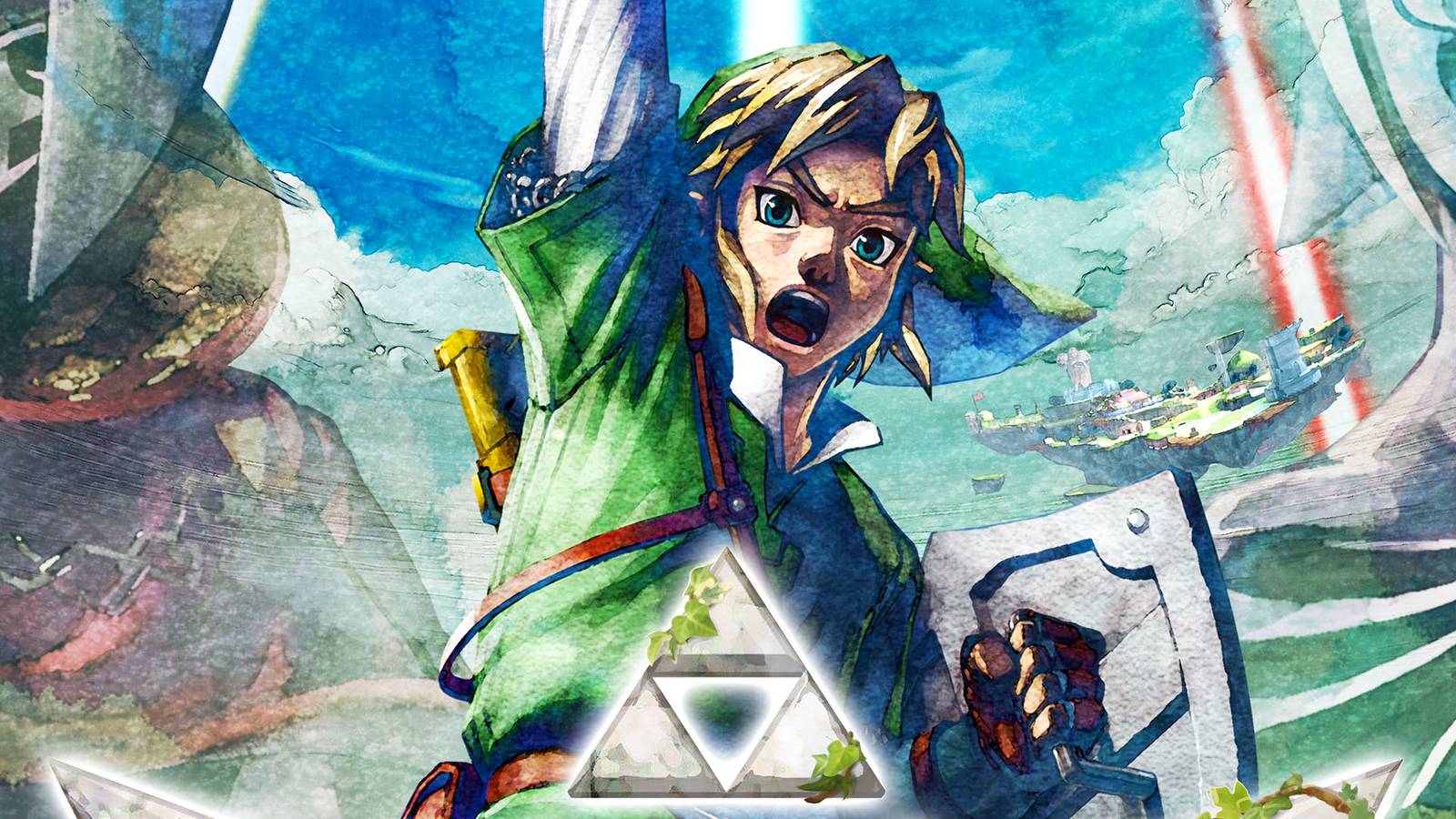
It’s almost impossible to imagine the developers at Nintendo thinking like that on Feb. 21, 1986: the day The Legend of Zelda for the NES was released in Japan. Looking back at that moment today, as we celebrate the Zelda series 40th anniversary, I have a hard time picturing Nintendo being humble about it. Surely Shigeru Miyamoto and Takashi Tezuka must have known they had a revolutionary adventure game on their hands that would redefine the medium, right?
Even if they did have that confidence, no artist could dream of achieving what Zelda has done for video games. In 40 years, Nintendo has pulled off the impossible task of keeping its series relevant through continual reinvention. When the top-down play of the first game felt like it had run its course, Zelda went 3D with Ocarina of Time and built the entire framework of what a modern adventure game looks like. When it felt like Nintendo had settled on a look, it took a risk by going cel-shaded with Wind Waker, forcing fans to rethink whether realism was the only path forward for graphics. And just when it seemed like there were no more fresh ideas, Breath of the Wild changed adventure game design language for a third time.
I’ve spent a lot of time in my life reflecting on what makes Zelda so enduring when I’ve watched so many other game series rise and fall. The constant reinvention certainly helps, but even so, you’d think that players would get bored of seeing the same characters and worlds eventually. How many times can Link save Hyrule from some form of Ganon, even with some side adventures like Link’s Awakening in between?
Something cracked open for me last week, and it was thanks to Polygon’s readers. I recently wrote a critique of Yakuza Kiwami 3 on the site, where I argued that the series had started to sag. Its repetition and retcons, designed to keep the wheels spinning, had begun to make it feel like a bad soap opera. The comments were (unsurprisingly) heated, but there was some spirited debate there about why Yakuza is any different from any long-running series. “Would we say this about a Zelda though, or a Metroid?” one user asked.
It’s a great question, and one that prompted a great answer. One reply posited why Zelda keeps working where something like Yakuza may struggle: “I would argue that Zelda is actually the inverse of the soap opera: it’s a folk tale.”

That commenter is spot on. There is a timelessness to Zelda that’s hard to put into words. Each game feels like a foundational work of video game fantasy about a hero, his sword, and the kingdom he must save. The stories get more complex from game to game and the gameplay twists change, but there’s something comforting about a series that’s so committed to the fundamentals of storytelling. Each game feels like a legend passed down over time. Did you hear the tale of the Hero of Time journeying into the Dark World? Or the story about his war with Onox? How about that time he turned into a wolf?! The more you believe that Link is a true folk hero, the more you want to hear another tall tale about him. Though the stories and presentation may differ, the core elements persist over the decades: the hero, the demon, the princess, and the Triforce. With each new installment, the myth is told anew.
That’s the main reason that I’ll still stand by Ocarina of Time as being the greatest video game of all time, even if that opinion has begun to fall out of fashion in recent years. It’s a story that feels like it’s meant to be passed down from generation to generation. (Heck, that’s even baked into its time-traveling premise.) It feels like it’s essential to video game canon in the way that The Canterbury Tales is for literature. Zelda games are texts we’re meant to return to, acknowledging them as the building blocks from which all adventure games are spawned.
40 years is still young in art history terms. I’d say that we’ll need to wait for the series’ 100th anniversary to know if any Chaucer comparison is earned. But for this milestone, take a moment to think about Zelda’s continued influence. Then think of a group of developers setting that first game free in the world in 1986, with no idea if anyone would remember it in even five years. Let that motivate you to create things and put them out into the world, even when you think no one will care.
![21st Feb: Ordinary Angels (2023), 1hr 57m [PG] (6.7/10)](https://occ-0-495-2705.1.nflxso.net/dnm/api/v6/Qs00mKCpRvrkl3HZAN5KwEL1kpE/AAAABcy-IfchNUolDJJN7xL8c6Xro3XSBRLYaOHjb5eHz_jY3SDO4CPtj2ETihKPxXsVgAYr_lkxebygCsGbYjjcGXpcFPS3CpwEtQyAU8bbyV8cVCAzceNuFbEdmIHJyBWyNMiU15ocwqhjpCttzyneXaKbYtE6zKpUMwbkoR0E5m6aDQ.jpg?r=d15 "21st Feb: Ordinary Angels (2023), 1hr 57m [PG] (6.7/10)")