![2nd Oct: Minions (2015), 1hr 30m [PG] – Streaming Again (6.2/10)](https://occ-0-788-1001.1.nflxso.net/dnm/api/v6/0Qzqdxw-HG1AiOKLWWPsFOUDA2E/AAAABbzN-SxT3FgaPj5S6COQ39F4UaqrICEysKrqKit6ZPzxilvQYe6ATckoSR8gQYthjx7n9rdnwSWmBiQu8WTjRbt-WbC33IGjr2p2.jpg?r=f48 "2nd Oct: Minions (2015), 1hr 30m [PG] – Streaming Again (6.2/10)")




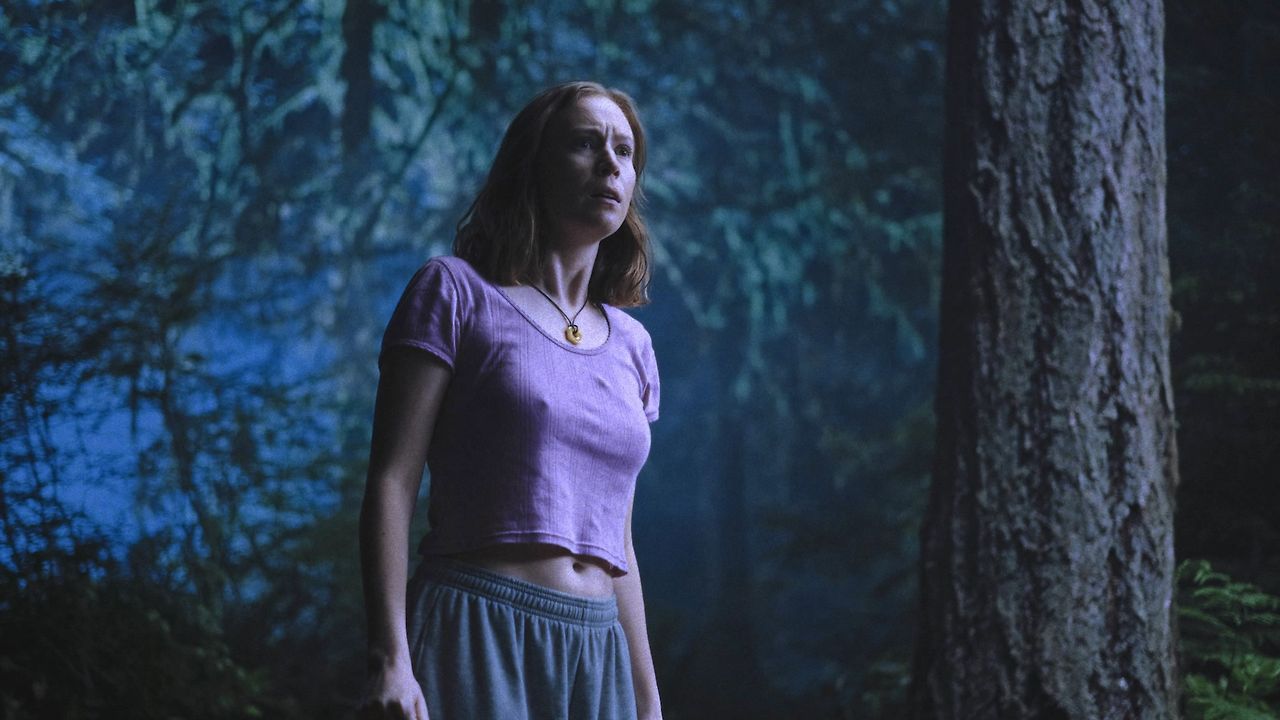
There are two specific repeated lines in the movie that I wanted to touch on. The first being, “If it gets too real, you can always turn it off,” which is such a great encapsulation of the film in general, with these themes of consent and of building reassurance, particularly within queer sex, to explore the danger and thrill of what scares you while also having that safety net, which is the most important thing. Being able to explore things you haven’t been able to before because there’s that trust.
I don’t know that I could say it better than you did. That was absolutely the intention in making a movie about coming into one’s self sexually after transition, and undoing a lot of trauma and dissociation, and just terror and avoidance around sex. Knowing that you are safe in the situation you’re in to explore things that you are scared to explore with another person—without that, you can’t do it. For the movie to talk about that, and to talk about the desire to go to scary places in a way that feels safe, there needed to be some kind of echo through the film, or articulation of what consent actually means.
I think it means exactly that, especially in scenarios where you’re exploring things that you know are going to be scary and tender; that you don’t have to be focused on the fact that you have a way to turn it off, but knowing that exists is the only way you’re going to be able to actually be present. The echo of it at the end of the movie is when Kris runs into the bunk after this crazy killing spree, that has been mostly good fun. All of a sudden, there’s a tone change and she seems like really shook, genuinely shook, not just reaction-shot shook in a slasher movie. She says, “It doesn’t feel like play,” then Billy responds, “I know, but it is.”
Again, it’s like Billy isn’t going to say, “We can stop. You want to stop?,” because to say it would get them out of the mood, but it’s this reminder of, “Don’t worry, that’s what this is. And if you want to come, you can shut this off, but you also are safe to not.”
A moment that hit me hard emotionally is when Billy says the line earlier to Kris during Kris’s monologue about placing herself within the world of Camp Miasma as this sexual fantasy, seeing herself as a victim of Little Death and how that transference becomes a way for her to open up and relinquish control. How does that monologue tie into the film’s notion of perspective, particularly within the horror genre? Miasma harkens back to something like one of my favorites, The Slumber Party Massacre, in how it leans into the somewhat problematic tropes of the genre in a way that can actually be liberating.
Yeah, I guess it’s like watching the tree rape scene from Evil Dead or I Spit on Your Grave or Psycho or any of these movies, when you’re ten years old on videotape. You don’t really get to think about them in terms of, “Am I watching misogyny here?” You’re just watching it. Watching horror on videotape too young is a very specific example of that general idea of misogyny being all around us, rape culture being all around us, power dynamics that are really violent and nasty being all around us in the world and in our culture and venerated in a very mainstream way in our culture. We all get that at a very young age.
I don’t think anyone has solved the mysteries of sexuality, but I do think it gets in you young that this sexual drive is almost like an infant response to sensing the way that we relate to other people. This is Freud shit. He’ll do a better job of saying it than I do.
Maybe, but with a lot of misogyny.
[Laughs] With some of that misogyny worked in. Anyway, it’s not really Kris’ choice that her fantasy that she’s ashamed of, and doesn’t want to actually articulate because it goes against all of her values, is misogynist. What matters is that it’s her fantasy and that to not explore it would be repression, and to pretend that it isn’t there doesn’t make it not be there. In fact, we as a culture in 2026 would be a little bit healthier if we’re a little less puritanical and a little more open about these things.
I don’t know, I think a lot about how fucking disturbing the homepage of Pornhub is. It’s like the American sexual psyche—and I say from the highest levels of power down—is a deeply sick thing and the problem comes when you don’t have a “now if it gets too real, you can turn it off,” in the way we’re exploring and trying to heal that.