![26th Dec: Snoop's Holiday Halftime Party (2025), 12m [TV-PG] (6/10)](https://occ-0-953-999.1.nflxso.net/dnm/api/v6/Qs00mKCpRvrkl3HZAN5KwEL1kpE/AAAABU5eu2N2BlBxvx_XiuSQc_mufxq7hsw05v6trQ5V0MpxMYKI8lr7t6MOUZPDkiJE7o9gCoYlT3x5heu1EOPqrUs-wk3TZJpBTWxjVCiUpuRLjWdrKNnvWpvt2EoQMJdsiO-6uwjWwuQAkvtGeJYJ_fX03H1NzAA3pVHZDFYJkZDD-A.jpg?r=6e7 "26th Dec: Snoop's Holiday Halftime Party (2025), 12m [TV-PG] (6/10)")
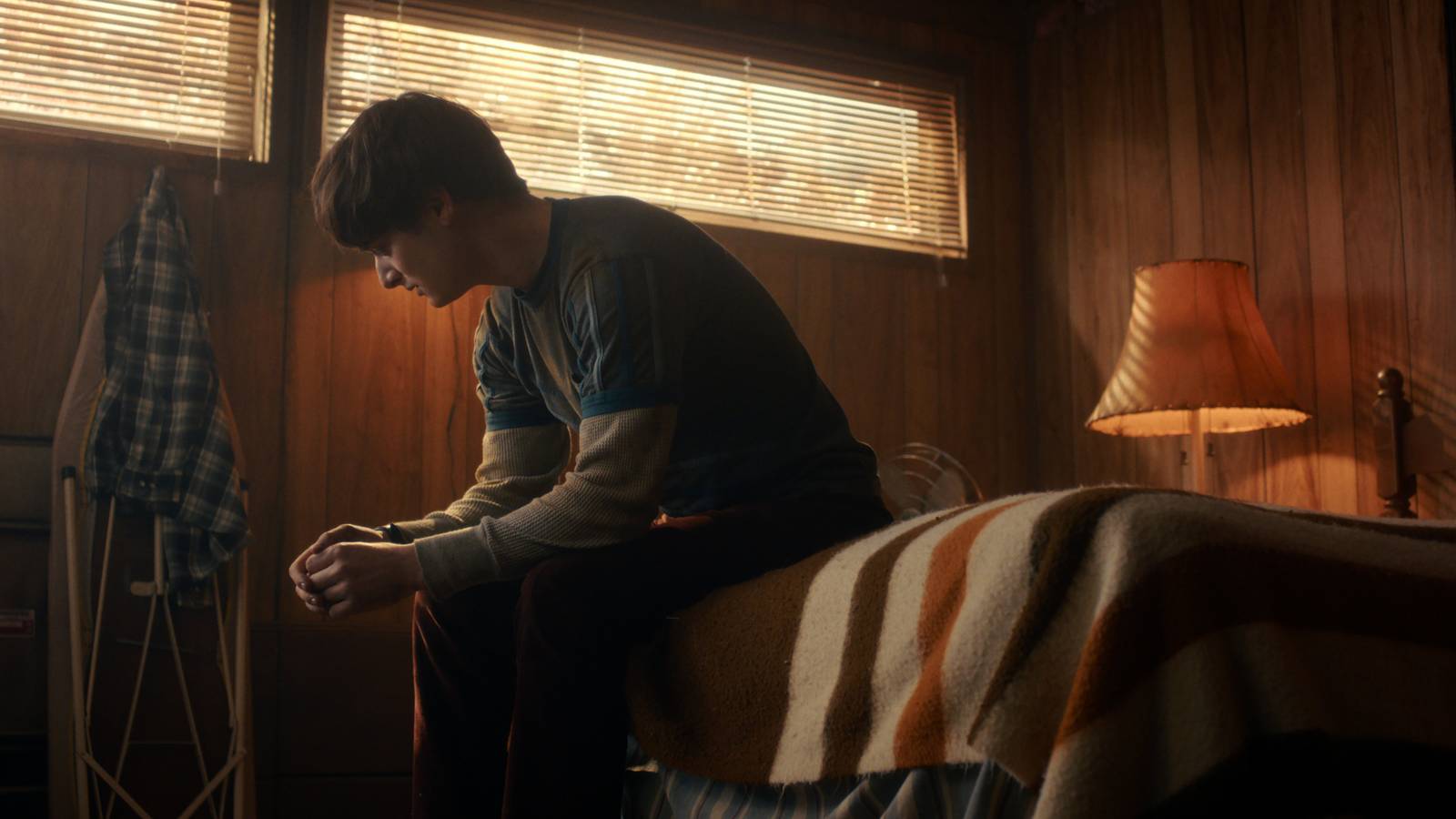



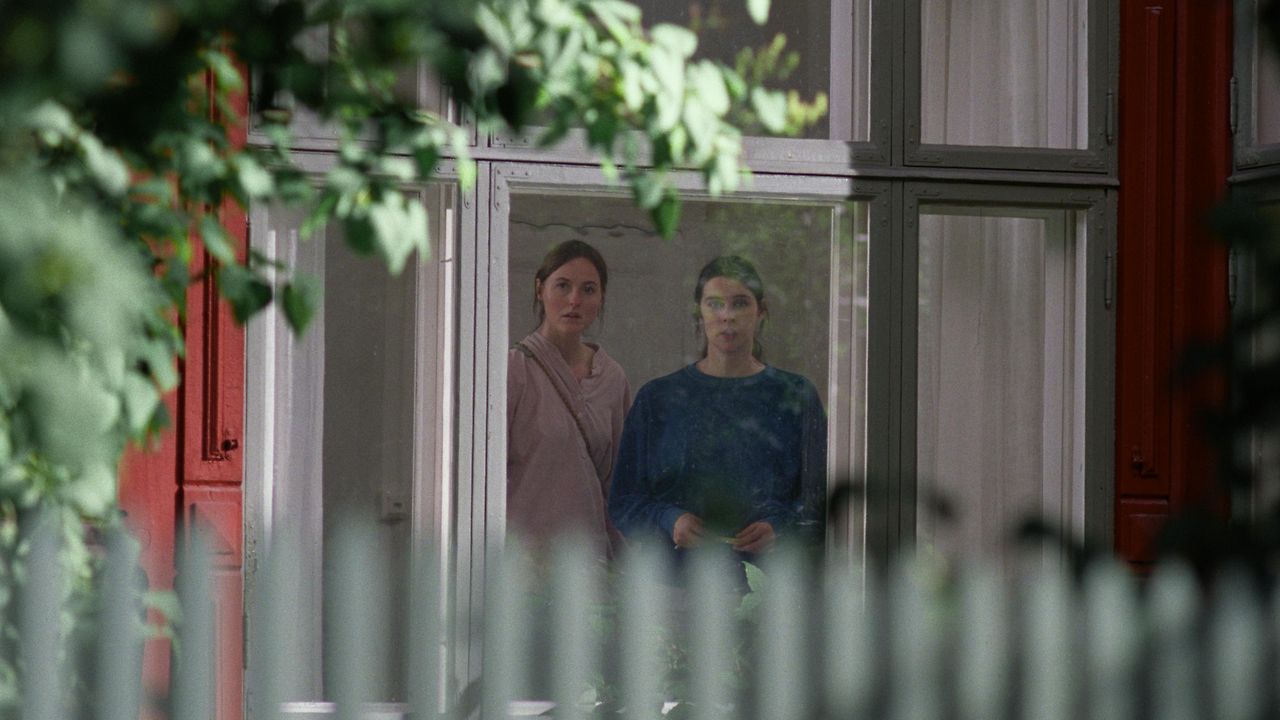
I remember before seeing Sentimental Value in Cannes trying to temper my expectations: there’s a very immediate emotional reaction after watching The Worst Person in the World, but what I loved about Sentimental Value is how much I already wanted to rewatch it, and am now thinking about how it’ll mean something different in my 30s, 40s, 50s. Memory is so important to you and your work—how do you look back on your films, and particularly this one, as you get older but your films stay the same age? I think this film will change a lot, depending on who sees it at what point in their lives.
I hope so. I really hope you’re right that it will. Because it’s a more polyphonic story with different age groups at play—even a child, and then the idea of aging in Stellan’s character, living in your 30s with such different situations, like both sisters have—I’m hoping that it’s a film that people can see and respond very differently to.
And it’s not silly to talk about the audience, because I care about them. I know them more in Norway, because we have a complete breakdown of a lot of people who have seen the film, and it’s the biggest range I’ve had. It’s not just people in their 20s and 30s who like the films that I do. We have a lot of older people and also teenagers. It’s preempting the complication of parent-child relationships. A lot of teenagers on TikTok are doing quotes from Gustav—way beyond what we expected.
I think it’s a film that needs more time to be unpacked than Worst Person, and that’s okay. But you’re right, too, that it’s difficult to make films playing off expectations. You’ve got to do one at a time.
Let’s talk about the house, which is spectacular. How do you dress it for different decades, and balance it being a product of its time as much as its people?
You’re asking the essential question of what production design is. Jørgen Stangebye Larsen, who did our production design with a great big team, did thorough research. There’s the sociological and the more aesthetic balance in such a thing. The sociology was a lot of research on the actual house we shot in. They had a lot of pictures, because they’d lived there since it was built, over 100 years ago. And also for the surroundings, because we did virtual production, we used these tremendous LED screens that could replicate photorealistic exteriors. We measured out which building was built at what point in time, and the trees have their own story, too.
Those are the factual aspects, huh? But then it’s the creativity of expression of character. In the ’60s, for example, Karin’s sister Lillian and her partner are living in a more bohemian postwar Oslo, rebelling against the stiff upper lip reaction that her deceased sister had after the war, where they were just trying to raise a family and do it proper. No one spoke about the trauma of the war, which is a classic tale of postwar—I think also in the UK, just getting on with it—and then it created a revolutionary generation in the children who were born in the ’50s, because they couldn’t take it. There was all this unarticulated pain in the culture, where everyone was just being brave and white-knuckling it, and then it exploded into a ’60s rebellion of individual freedom. That’s the climate that Gustav Borg is born into. That’s when he’s a child, in that era. To tell that story, of the twentieth century, through the house was very important.