

![20th Jun: India's Got Latent (2026), 1 Episode [TV-MA] (7.5/10)](https://occ-0-533-1007.1.nflxso.net/dnm/api/v6/0Qzqdxw-HG1AiOKLWWPsFOUDA2E/AAAABS1rykvri3hIMDnirmlTMlhj7aGp1OzVS2PhBo2bSAwpA21fmJnJDZFiPYJA6UBTl6qzpllpixfCBuuFAbpL1XVOe3KN-MfKZex8zMieZiuAHp22CrjVqjB79HI3dX_23ivsr0gLVxomoHw7xKq-kvr3Hi9vgtUkIeUQxeBOkpunbo6w3Q7du7L4lBFEybu8GcDgO2NHGFrxDe-2tnc9tVv7rlmZesvDTPRcCioFits387B2v3PvZs7VuiSqH9jRceLnEM-udkNnWyItdZpeTe_b66RmV9HFjFCx5mO0mRLPEDBz27SZ9YoNwjUMiw.jpg?r=bff "20th Jun: India's Got Latent (2026), 1 Episode [TV-MA] (7.5/10)")


![20th Jun: Entourage (2015), 1hr 44m [R] – Streaming Again (6.25/10)](https://occ-0-858-92.1.nflxso.net/dnm/api/v6/0Qzqdxw-HG1AiOKLWWPsFOUDA2E/AAAABVYvrekZ4E6ngxypdKkF_w6mS6-aRSB44UqIBBy6zGy6v65kfg1ttLGfrGl5ewiT65EavVwQahFMu2onRE3VPsVPZhmrywi1NoWQ.jpg?r=9c1 "20th Jun: Entourage (2015), 1hr 44m [R] – Streaming Again (6.25/10)")



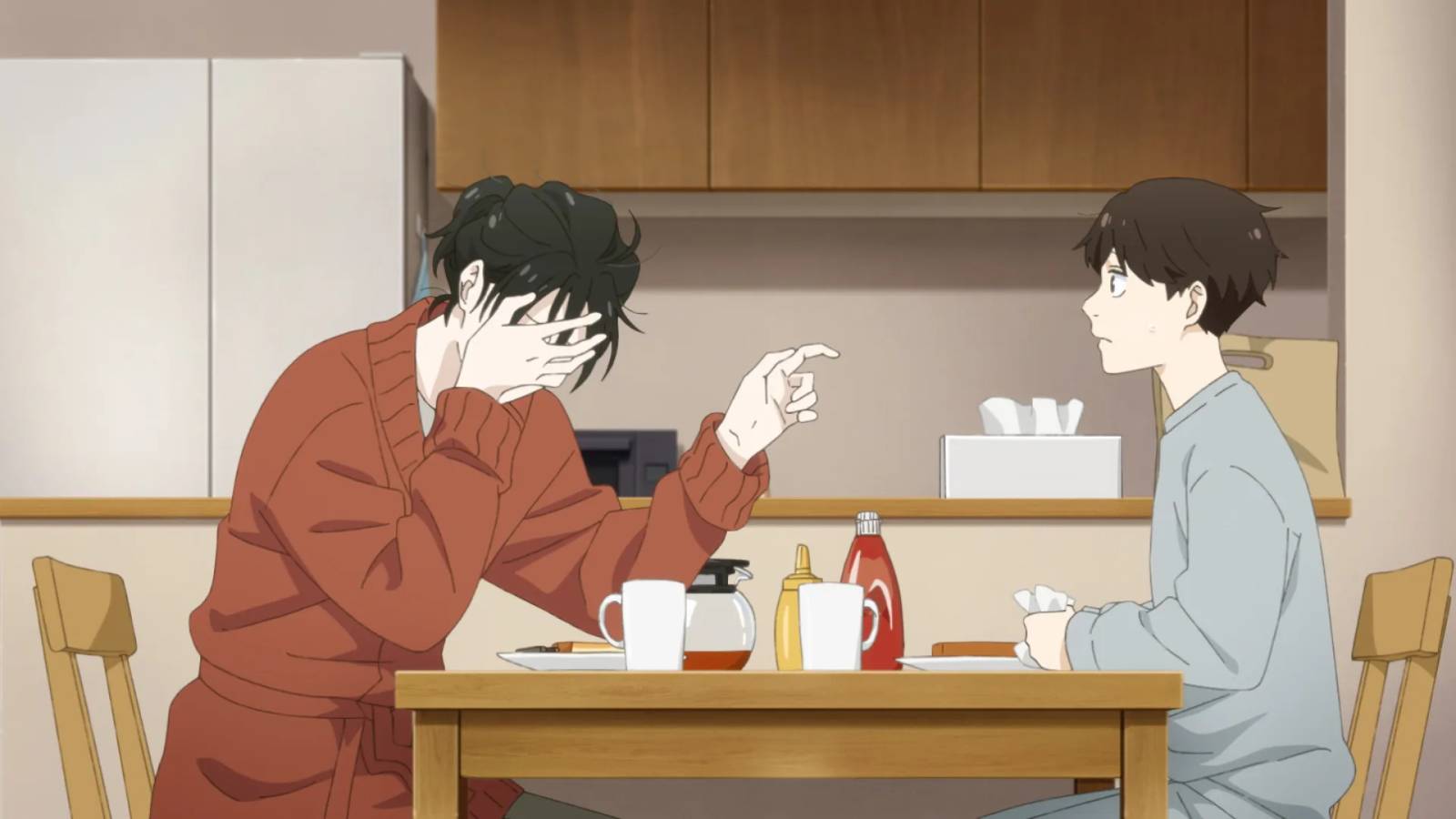
Today’s most popular anime, like Jujutsu Kaisen, Chainsaw Man, and Solo Leveling, are hyper-focused on spectacle. We stay seated for these types of shows every season to see heavily stylized action and violence brought to life through some of the most incredible animation. But Journal with Which isn’t your typical action-packed thriller-ride or mysterious dark fantasy escape. Instead, this 13-episode slice-of-life anime is subtle, poignant, and filled with some of the best writing the medium has to offer.
Journal with Which is a surprising deviation from the norm. It isn’t concerned with flashy action sequences or over-the-top animation. Instead, it offers a far more meditative examination of loss and emotional growth, peeling the curtain back on the coming-of-age tale with a slight twist that makes it unforgettable. If you’re on the hunt for your next binge-worthy anime, Journal with Which is a captivating story that isn’t afraid to walk its own path. But don’t forget your tissues, because this anime is an absolute tear-jerker.
Journal with Which follows two main protagonists. The main face of the show is 35-year-old author Makio Kōdai. Makio’s struggles with human interaction make her one of the most relatable anime heroes in recent memory.
Following the sudden death of her sister and brother-in-law, Makio takes in her 15-year-old orphaned niece, Asa Takumi, who is far more cheerful, friendly, and outgoing. This is where Journal with Which finds its emotional anchor. We watch as Asa learns to grow up in a strange environment, raised by a reclusive aunt who isn’t quite parent material.
Despite their clashing personalities, the duo learns about human relationships and empathy from each other. There’s a subtle dichotomy of emotions at play resting just beneath the surface: On one hand, you have Asa dealing with the loss of her parents. On the other is Makio’s complicated feelings surrounding her sister’s death. The audience gets to experience two powerful portrayals of owning up to grief through two very different perspectives.

Although titled Journal with Which in the US, the Japanese name “Ikoku Nikki” literally translates to “Diary of a Strange Land,” which is a far better description of the anime. It more cleanly references the diary Makio gives Asa in the first episode, which Makio describes as an important vehicle for healing and growth in the face of despair.
But Asa’s diary eventually evolves into something far more, allowing the animators to bring out their best work. When Asa loses herself in her journal, we’re greeted by just a plain, empty desert. The spectacle is restrained, but its impact is nothing short of seismic in the way that it captures the vastness of Asa’s loneliness in the throes of despair.
This imaginary desert is used throughout the show as a narrative device to convey both Asa’s and Makio’s feelings. Despite their extreme differences, the two find common ground in this wasteland, their shared pain bridging the distance between them.

That’s the truly fascinating thing about Journal with Which. It fills the void left by the absence of extreme violence and stylized animation with more subtle micro-movements, intentional stillness, and held shots. By blending these moments into the animation, Journal with Which adds life to its characters like never before, leading to thought-provoking scenes that pierce your core.
Case in point is the internal strife of Asa’s friend Emiri Nara. Emiri’s interactions with Asa make it clear the character is grappling with her own sexuality, exemplified best by Emiri’s attention always lingering on Asa whenever she’s in frame. Emiri can’t yet admit it to herself, let alone to Asa or the outside world. Despite just being a side character, Emiri is a powerful example of how Journal with Which captures deeply personal struggles with quiet nuance.

Journal with Which isn’t the only recent meditative anime to buck the trend of action-heavy shows like Jujutsu Kaisen. Frieren season 2 offers a similar experience, but its fantasy setting isn’t as grounded or realistic as Journal with Which. Don’t take my word for it, either. Journal with Which currently sits at an 8.8 on MyAnimeList, beating out Jujutsu Kaisen’ season 3, which scored an 8.67. That’s no easy feat, especially given just how incredible JJK’s animation was this past season. It’s further proof that animation quality isn’t everything. Instead, it’s the underlying story and well-developed characters that resonate most.
Journal with Which is streaming on Crunchyroll.