![7th Jul: Better Late Than Single (2026), 2 Seasons [TV-14] – New Episodes (6.7/10)](https://occ-0-8167-92.1.nflxso.net/dnm/api/v6/0Qzqdxw-HG1AiOKLWWPsFOUDA2E/AAAABbhZ3ArZWq2Mtloi3m9XayE8KGvZwsGwykUSI4xzW9gQNXEG9JwclntY-8qrbqBe_c3XVsVvjVSQfb80vrp1MYO82Zj5KysFTZ9g1Kfh6CAVDsoBSjZ3ukPALygZhNSbVlc3LzT19j2-F4OA_POH4QCyLhxKT3KxV806IBBJ.jpg?r=249 "7th Jul: Better Late Than Single (2026), 2 Seasons [TV-14] – New Episodes (6.7/10)")







In Brief: Luxury hotel brands are increasingly positioning experiences as core status assets, as consumer spending shifts away from traditional goods toward travel, branded residences, and high-end hospitality offerings.
-
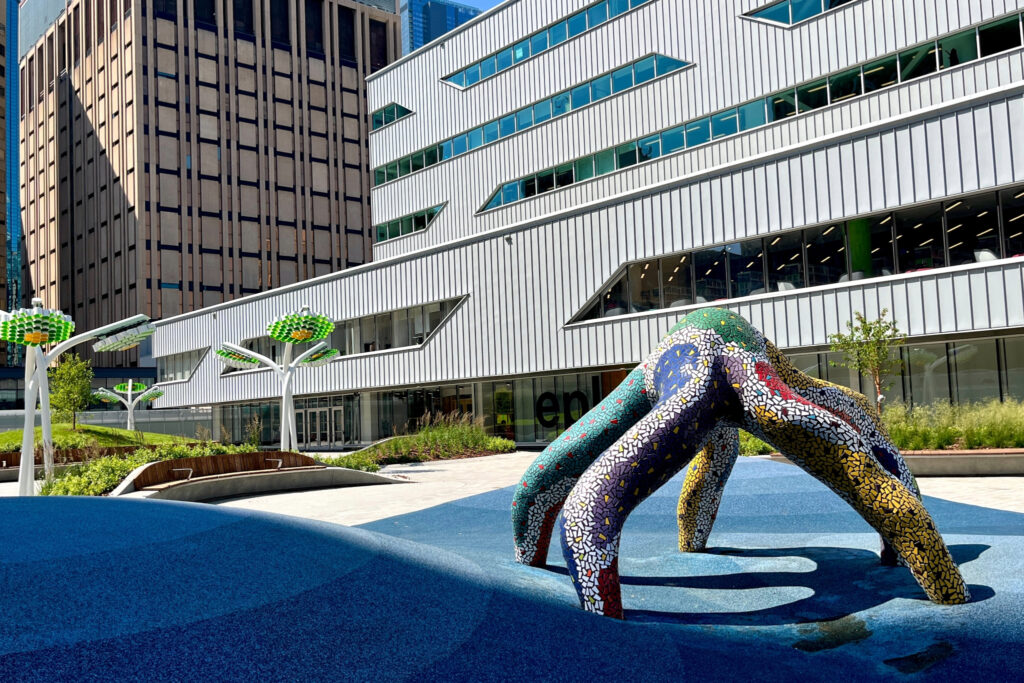
From Handbags to Hotels: Luxury Brands Shift Toward Experience-Driven Growth – Image Credit Unsplash+
Published April 13, 2026 | By HNR News Staff Reporter
From Goods to Experiences
The global luxury market is undergoing a structural shift, with spending patterns moving beyond traditional goods such as fashion and accessories toward experiential categories, including travel and hospitality.
High-end hotel brands are emerging as key beneficiaries of this transition, offering not only accommodations but also curated experiences and lifestyle positioning that align with evolving consumer preferences.
This shift reflects broader changes in how affluent consumers define value, with greater emphasis on experiences, personalization, and exclusivity.
Hotels as Status Assets
Luxury hotels are increasingly functioning as status symbols, comparable in influence to traditional luxury goods.
Brands such as Four Seasons, Aman, and The Ritz-Carlton are extending their reach beyond hospitality into branded residences, private jet programs, and lifestyle experiences.
These offerings allow brands to capture a larger share of consumer spending while reinforcing long-term brand loyalty.
Real Estate and Hospitality Converge
The expansion of branded residences and mixed-use developments is further blurring the line between real estate and hospitality.
Luxury hotel brands are increasingly embedded within residential projects, where the association with a recognized brand can significantly enhance property values.
This model enables operators to generate revenue not only from room nights but also from residential sales, management fees, and ancillary services.
Pricing Power and Demand Resilience
The shift toward experiential luxury is also supporting pricing power within the high-end hotel segment.
Affluent travelers are demonstrating a willingness to pay premium rates for unique experiences, exclusive access, and personalized service.
“Luxury hospitality continues to benefit from strong demand fundamentals, particularly as high-net-worth consumers prioritize experiences over material goods,” analysts at Deloitte have noted in recent industry commentary.
This trend has contributed to sustained rate growth in the luxury segment, even as other parts of the hospitality market face greater volatility.
Brand Extension Drives Growth
Luxury hotel operators are expanding their business models through brand extensions that go beyond traditional lodging.
Examples include private jet programs, yacht offerings, and curated travel experiences, which allow brands to engage with customers across multiple touchpoints.
These initiatives are designed to deepen customer relationships, increase lifetime value and differentiate brands in a competitive market.
How Luxury Hotel Brands Are Expanding Beyond Traditional Hospitality
Leading luxury hotel brands are building integrated ecosystems that extend well beyond traditional lodging, capturing a broader share of high-end consumer spending.
This shift is increasingly visible in how leading brands are expanding into adjacent luxury categories, effectively transforming from hotel operators into multi-platform lifestyle companies.
| Brand | Core Offering | Extended Platforms | Strategic Focus |
|---|---|---|---|
| Four Seasons | Luxury hotels & resorts | Private Jet Experience, branded residences, yachts | Global lifestyle ecosystem targeting ultra-high-net-worth travelers |
| Aman | Ultra-luxury resorts | Aman Residences, Aman Club, private lifestyle experiences | Exclusivity and a limited-access membership model |
| The Ritz-Carlton | Luxury hotels | Ritz-Carlton Yacht Collection, branded residences | Extending brand into experiential luxury travel |
| Nobu Hospitality | Lifestyle hotels & restaurants | Branded residences, global restaurant network | Leveraging culinary brand equity across real estate and hospitality |
| Accor (Orient Express) | Luxury hospitality portfolio | Orient Express trains, yachts and future hotels | Reviving a heritage luxury brand into multi-platform experiences |

Implications for the Industry
The repositioning of luxury hotels as experiential and lifestyle assets is influencing broader industry dynamics.
For developers, partnerships with established luxury brands can enhance project value and marketability.
For operators, the ability to deliver consistent, high-quality experiences across multiple platforms is becoming increasingly important.
At the same time, this trend is contributing to a widening gap between luxury and other market segments, as pricing power and demand resilience remain concentrated at the top end.
Outlook
The continued evolution of luxury hospitality is likely to be shaped by the integration of experiences, real estate, and brand-driven ecosystems.
As consumer preferences continue to shift, luxury hotel brands are expected to play a more prominent role in capturing high-value travel and lifestyle spending.