




![4th Aug: Make It Fancy (2026), 2 Seasons [TV-PG] (6/10)](https://occ-0-1081-1001.1.nflxso.net/dnm/api/v6/0Qzqdxw-HG1AiOKLWWPsFOUDA2E/AAAABY0mcaG_MQfdD7k2fP3hbYvnCRvNXSQIGBSvSN3_l9vS_6jVkm7rPpr_nLTM_OFB_4mya5nrxgbksEavGiQarC80CtN1qwy9iycuj6NB61dlQQet5_AmQsMHLGkMChGHu3CqM2o3Oj2Jvdy-24dvxVNGiwB0qycLd5N2vrw4AF8Tqg.jpg?r=feb "4th Aug: Make It Fancy (2026), 2 Seasons [TV-PG] (6/10)")


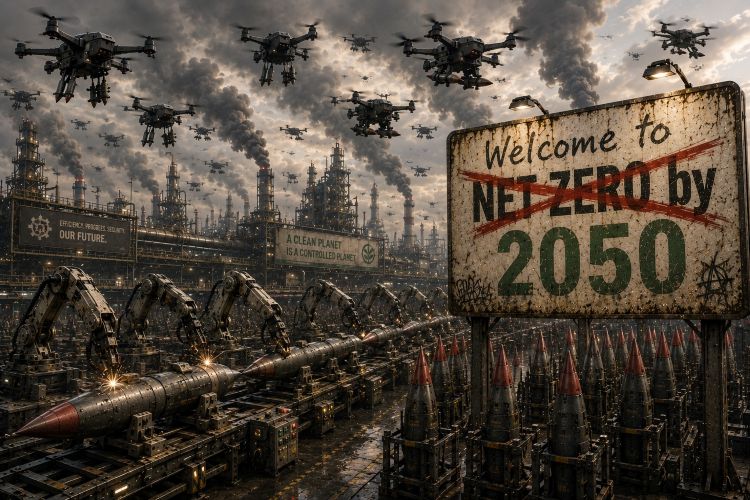
What a difference a year makes. The world has woken up to the game-changing effect drones, often now powered by artificial intelligence or advanced software, are having on modern warfare.
In my article last year, I postulated that “sensor to sensor” warfare was soon to be the new norm. A major shift from “eye to eye” or human-to-human battlefields, to machines fighting machines, whether on land, sea or in the air. No longer it is about the number of humans you put into the fight; it is now about the number of machines you have. The future is now.
For offence and defence, the shift is driving major economies around the world to take the lessons from Ukraine and dramatically change their warfare spending toward nimble, lower-cost machine solutions; where how fast you innovate on chips, software, and materials, and how adept you are at manufacturing, will determine your level of offensive and defensive war capability and capacity, now and into the future.
The latest numbers from Ukraine indicate they can build an estimated 7 million unmanned aerial vehicles a year, up from 2.2 million in 2024. In my previous article, I extrapolated their capacity to global totals that led to numbers in the tens of millions, or greater very soon.
Based on Ukraine’s experience, those numbers are certainly achievable. Now, with an estimated 33,000 companies operating out of 110 countries involved in the drone-supply chain – from software, to manufacturing, to data capture – the breadth of this new war frontier will only get larger.
The buildout is supported by major spending, estimated to be $160 billion by 2030, pressured by geopolitical risks and North Atlantic Treaty Organization (NATO) countries bringing military investment to 5% of their GDP as quickly as possible. That translates to a lot of machines doing the work that was once the domain of humans.
Clearly, there are several concepts that require philosophical debate:
- What level of autonomy should be allowed in the machines?
- Who (or what) decides whether to strike military targets or make decisions that are much more lethal?
- Who sets the “new rules of war”, and can you get any kind of consensus on such a thing?
- At what point in the engagement is the human removed from the “loop”; information leading to targeting and ultimately execution of the desired action?
- Should we really be consuming Earth’s precious materials for a new arms race?
- Do we really want our new manufacturing capabilities focused on machines of war? Is there not vastly more productive things we can put our money and intellect toward in advancing the human condition?
So many ethical questions – and I hope our leaders are contemplating them before diving headlong into the new race for modern warfare supremacy.
Tools of war rarely sit indefinitely in hangars, ports, and warehouses. The desire to ‘test” them and leverage the ‘investment’ gets too strong. Where will that lead us?
The future of warfare seems destined to be led by a distributed robotic, AI-enabled ecosystem; what some might call “edge computing at its most impactful”. I really do hope we know what and where we are headed, as the world prophesied in James Cameron’s 1984 film The Terminator becomes more realistic with each passing year.
(Grant Wilde – BIG Media Ltd., 2026)