![30th Sep: White Bird: A Wonder Story (2023), 2hr [PG-13] (6/10)](https://occ-0-7328-1001.1.nflxso.net/dnm/api/v6/0Qzqdxw-HG1AiOKLWWPsFOUDA2E/AAAABdW_eQx66MUwQAvJi-zH1sAcg4Rd5RA4XyHfgQIipYPfu8M88FmyfVkPszeXamoMuGKOECMg1vasOIrhCcin1DGJJGN8i5hrBDRKPmnX1WpOmD1-T1HpZLyjPNnUIsUHRk31g2rVPzT_LsAJlYLyyso4dvclDcs7H4jqD1YBBNK0kQ.jpg?r=637 "30th Sep: White Bird: A Wonder Story (2023), 2hr [PG-13] (6/10)")







It’s not just celebrities and brands that undergo a ‘rebrand’ – so, too, can countries.
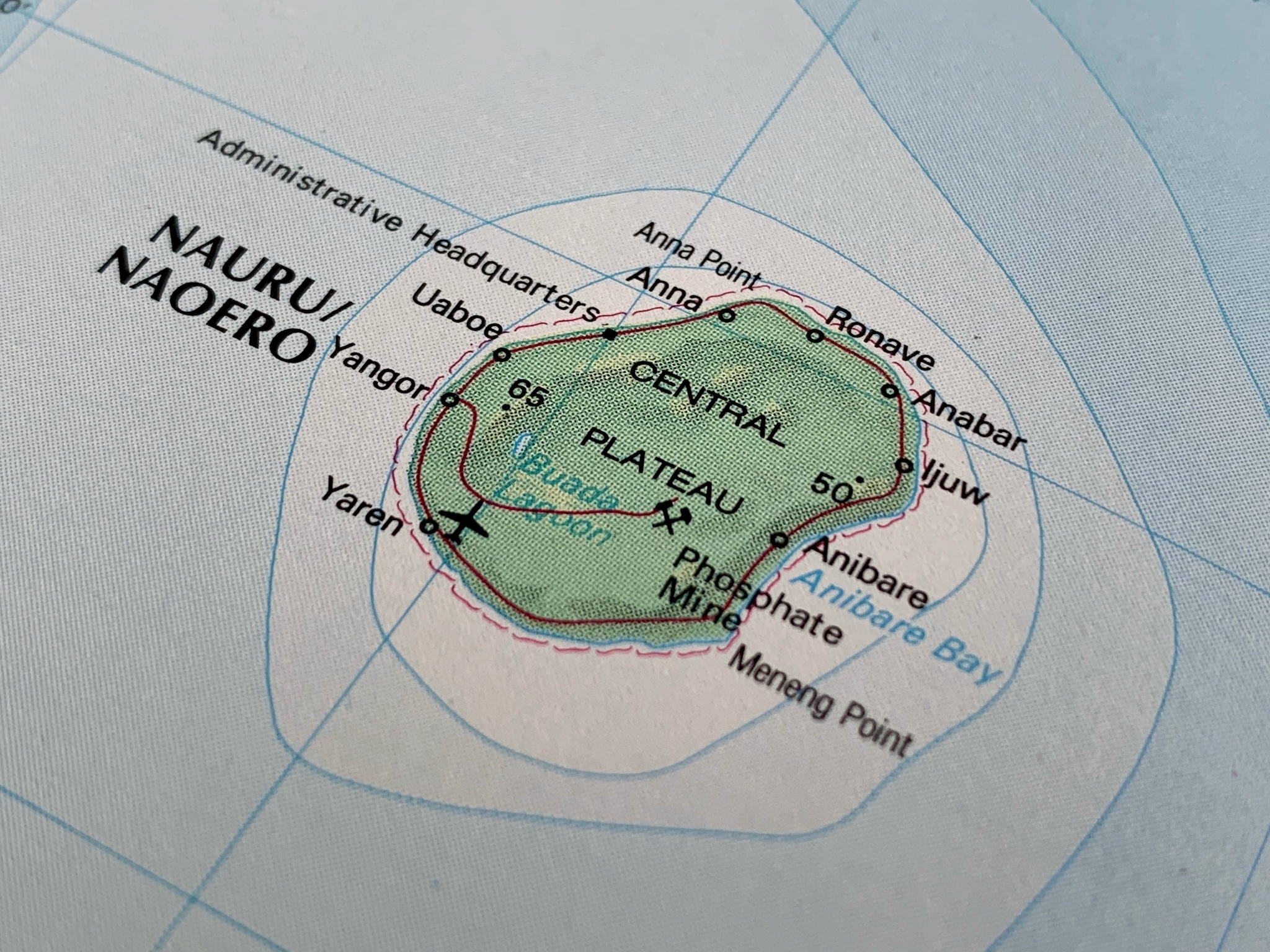
The latest destination to do so? The teeny, tiny Pacific Island nation of Nauru, which has just pivoted back to its original name. It’ll now be known as the Republic of Naoero (pronounced ‘now-ero’) and its people will be referred to as dei-Naoero (as opposed to Nauruan). According to the president, the new name matches the spelling and pronunciation of the national language.
According to the Guardian, the name originally changed because Naoera was apparently too difficult for foreigners to pronounce, but when he proposed the swap to parliament, President David Adeang said that the ‘change seeks to more faithfully honour our nation’s heritage, our language and our identity.’
The process started with a suggested constitutional amendment, which was then endorsed through two rounds of voting by lawmakers, and it’s been reported that after ‘extensive discussion’, a public vote on the issue was deemed unnecessary.
More on the history of the Republic of Naoero
Located in the South Pacific Ocean, around 1,250km northeast of the Solomon Islands and 3,300 km away from Australia, Naoero is a microstate, larger – in terms of its population – than only the Vatican and Tuvalu.
It was initially colonised by Germany, which was followed by administration under Australia, and eventually became an independent country in 1968.
Throughout the ’70s, phosphate mining (a compound commonly used in fertiliser and biological energy) generated enormous wealth for the island, but the industry collapsed and it suffered drastic economic decline in the 1990s.
Now, the island is threatened by ever-rising sea levels caused by the climate emergency, and the government is seeking funding for the movement of people and infrastructure overseas through a paid citizenship programme.

Why do countries change their names?
This isn’t the first time a country has renamed itself – Swaziland returned to its original name of Eswatini in 2018, Turkey recently became Türkiye internationally, and the Czech Republic is now known as Czechia. More examples include the changes from Rhodesia to Zimbabwe, Siam to Thailand, Holland to the Netherlands.
Motivations vary, and changing a country’s name can be an uncomplicated process of simplification or an attempt to better capture its geography. However, shedding a colonial past is often the rationale, and restoring Naoero’s identity, according to Adeang, marks ‘the beginning of renewed national pride’.
UN records have already been updated with the new name, and Australia and New Zealand’s foreign ministries, as well as Chinese and US embassies in the region, now designate the country as Naoero on their webpages.
Did you see that Malaysia is the best country for digital nomads in 2026, according to a new ranking?
Plus: I went to Jamaica to drink Rolling Stones rum and eat the best vegan food in North America.
Stay in the loop: sign up to our free Travel newsletter for all the latest travel news and best stuff happening across the world.