![18th Mar: Eva Lasting (2026), 4 Seasons [TV-MA] – New Episodes (6.95/10)](https://occ-0-1403-999.1.nflxso.net/dnm/api/v6/Qs00mKCpRvrkl3HZAN5KwEL1kpE/AAAABSxONtfhPfgIEdSjXJdebhL4hyh9sIt08Ad4kM0hO0d7SDnXQqxa2yDha9ca8Qb632q-IA_2hrsnZl4Vtt1zImvVBqrT9ko0_GvFlqcE8aNbHtoHiFRBdrmFqDEoX9-oE7ai4fKvv64Je-hBX95a_zaeI9vmFio7I-QQA3LT.jpg?r=201 "18th Mar: Eva Lasting (2026), 4 Seasons [TV-MA] – New Episodes (6.95/10)")





See all posts by Diamond and Diamond Lawyers
As the 2026 winter season transforms Toronto’s streets into obstacle courses of slush and “dreaded” black ice, residents are facing more than just a difficult commute. This is the peak of “slip and fall season,” a period where a brief lapse in concentration can lead to life-altering injuries and complex legal disputes. Whether you are behind the wheel on the DVP or navigating a snowy sidewalk in North York, understanding your responsibilities and rights is essential for staying safe.
Below are steps to help you navigate a Toronto winter storm, featuring expert insights from Jeremy Diamond and the team at Diamond and Diamond Lawyers.
1. Behind the Wheel: The “Speed Limit Myth
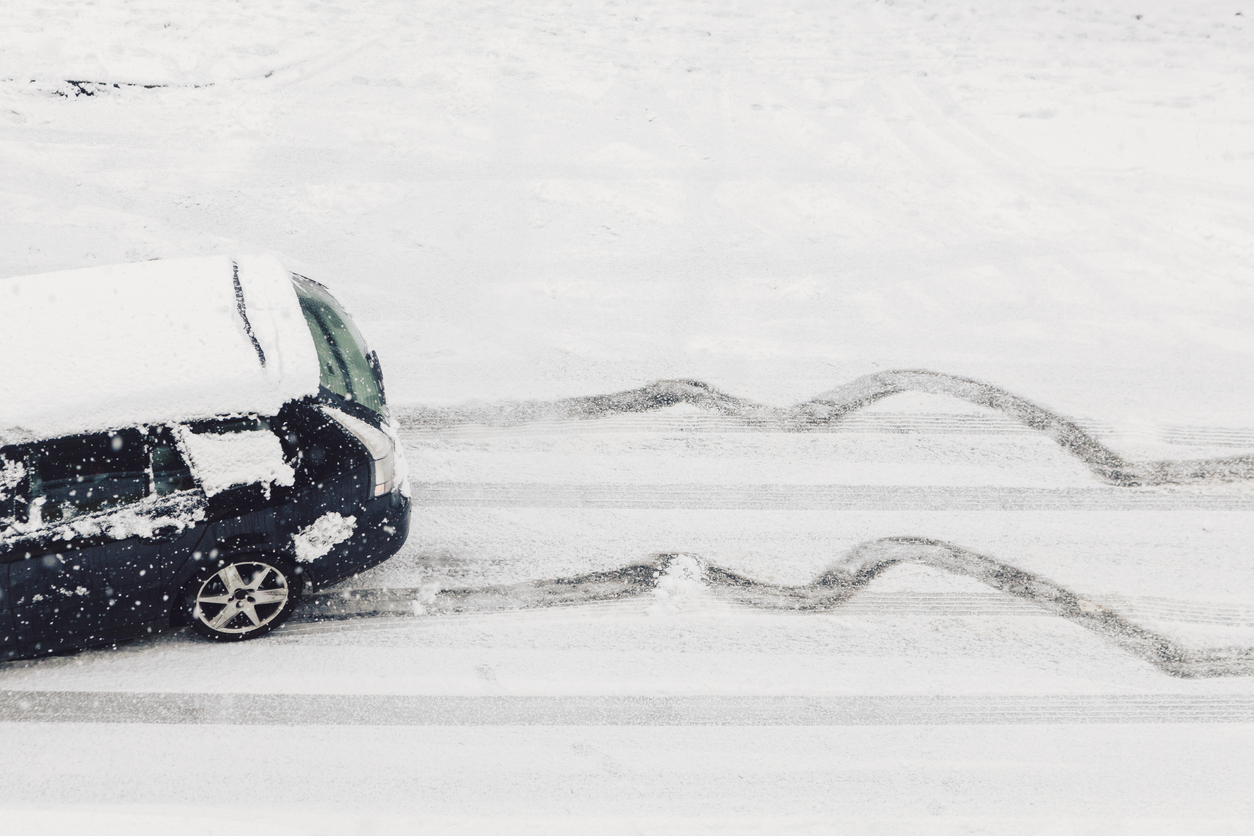
A common refrain after a winter collision is, “I hit a patch of ice—it wasn’t my fault.” However, from a legal standpoint in Ontario, the weather is never an excuse. Under Regulation 668 (Fault Determination Rules), if you rear-end another vehicle, you are almost always 100% at fault, regardless of road conditions.
Actionable Driving Tips:
- Increase Following Distance: In the summer, the “two-second rule” is standard. In winter, you must increase this to five or six seconds to account for reduced friction.
- Clear the “Snow Hawk”: Leaving a massive slab of snow on your roof is a major liability. If it flies off and blinds another driver, you can be held responsible for the resulting crash.
- Drive for the Conditions: You can be charged with Careless Driving even if you are doing the speed limit if an officer determines your speed was “greater than reasonable” for the current ice or visibility.
- Monitor Tire Pressure: Cold winter weather naturally causes tire pressure to drop. Low tire pressure can significantly decrease the life of your tires, compromise traction, and increase your stopping distance when you need to brake on icy roads. Check your pressure frequently during the winter months.
For more guidance on managing these risks, you can review specialized car accidents protocols.
2. On the Sidewalk: Mastering the “Penguin Walk”
Pedestrians are incredibly vulnerable during winter storms. Most falls result from improper weight distribution on slippery surfaces.
Actionable Pedestrian Tips:
- Adopt the Penguin Walk: Keep your center of gravity directly over your front leg. Take short, shuffling steps and keep your feet flat.
- Choose Proper Footwear: Non-slip soles with deep treads are “ultimate game-changers” for safety.
- Stay Alert: Avoid “distracted walking.” Keep your phone away while navigating ice to spot “black ice” (thin, transparent layers that look like wet spots) before you step on them.
3. Property Owners: The 12-Hour Rule
If you own a home or business in Toronto, you have a “duty of care” to ensure your premises are safe for visitors, including delivery drivers and mail carriers.
Actionable Homeowner Tips:
- Clear Paths Quickly: Toronto bylaws require you to clear snow and ice from your sidewalk within 12 hours of the end of a snowfall.
- Salt and Sand Regularly: Constant monitoring is required, especially after freeze-thaw cycles.
- Don’t Move Snow to the Street: It is illegal (and carries a $610 fine) to plow or shovel snow from your property onto city roads or sidewalks.
What to Do if You Suffer a Slip and Fall
If you are injured because a property owner failed to maintain their walkway, time is your greatest enemy. In Ontario, while the general limit for injury claims is two years, there is a strict 60-day notice period for injuries caused by snow or ice on municipal property.
Critical Steps Following a Fall:
- Identify the Hazard: Was it an untreated patch of ice or a lack of salt?
- Document the Scene: Take photos immediately, as weather can change the appearance of the site within hours.
- Preserve Your Footwear: Your boots may be examined to prove you were wearing appropriate winter gear.
Get Expert Help from Diamond and Diamond Lawyers
The aftermath of a winter accident can be overwhelming, involving medical bills, lost wages, and aggressive insurance tactics. The team at Diamond and Diamond Lawyers has extensive experience helping victims of a slip and fall accident secure the compensation they deserve for their recovery. By understanding how to protect yourself and limit liability, you can focus on healing while your legal team handles the investigation.
If you or a loved one has been injured this winter, contact Diamond and Diamond for a free, no-obligation consultation. They work on a contingency fee basis, meaning you don’t pay unless they win your case. Call their 24/7 injury hotline at 1-800-567-HURT (1-800-567-4878) to speak with a professional today.
About Jeremy Diamond
Jeremy Diamond is a lawyer and member of both Ontario and Florida Bars. Jeremy practices in the area of Plaintiff personal injury litigation. Click here to learn more about Jeremy Diamond.