



![25th Sep: Wahlburgers (2019), 10 Seasons [TV-14] (6.35/10)](https://occ-0-3521-1239.1.nflxso.net/dnm/api/v6/0Qzqdxw-HG1AiOKLWWPsFOUDA2E/AAAABQlR4CsOidLsYNY2dVRuuLIIHc0QLXLdCQ8iRoWRxYSLNS4mS6C5sIWCkl5iYLqVDqMzGLfvZ1bjJa5TyXkf1MoC8O8AOXxTR_1csygVGcgLL3OHw0NrQcitp3vSi67VQHQ-ebrh9gXMJueHpzjdA0job5GZFPRy9HSQa3OEdXco_w.jpg?r=eee "25th Sep: Wahlburgers (2019), 10 Seasons [TV-14] (6.35/10)")



Switchboard is Polygon’s weekly newsletter for all things Nintendo, sent on Thursdays and published on the site on Saturdays. You can subscribe here.
Typically, game console manufacturers keep systems in production for years after they have been succeeded by a new format. As long as they’re still selling, it’s worth making them, and they often work as an entry-level budget system for new players. As one of the best-selling consoles of all time, this would presumably be the original Switch’s fate, and still might be, too. But not in Europe.
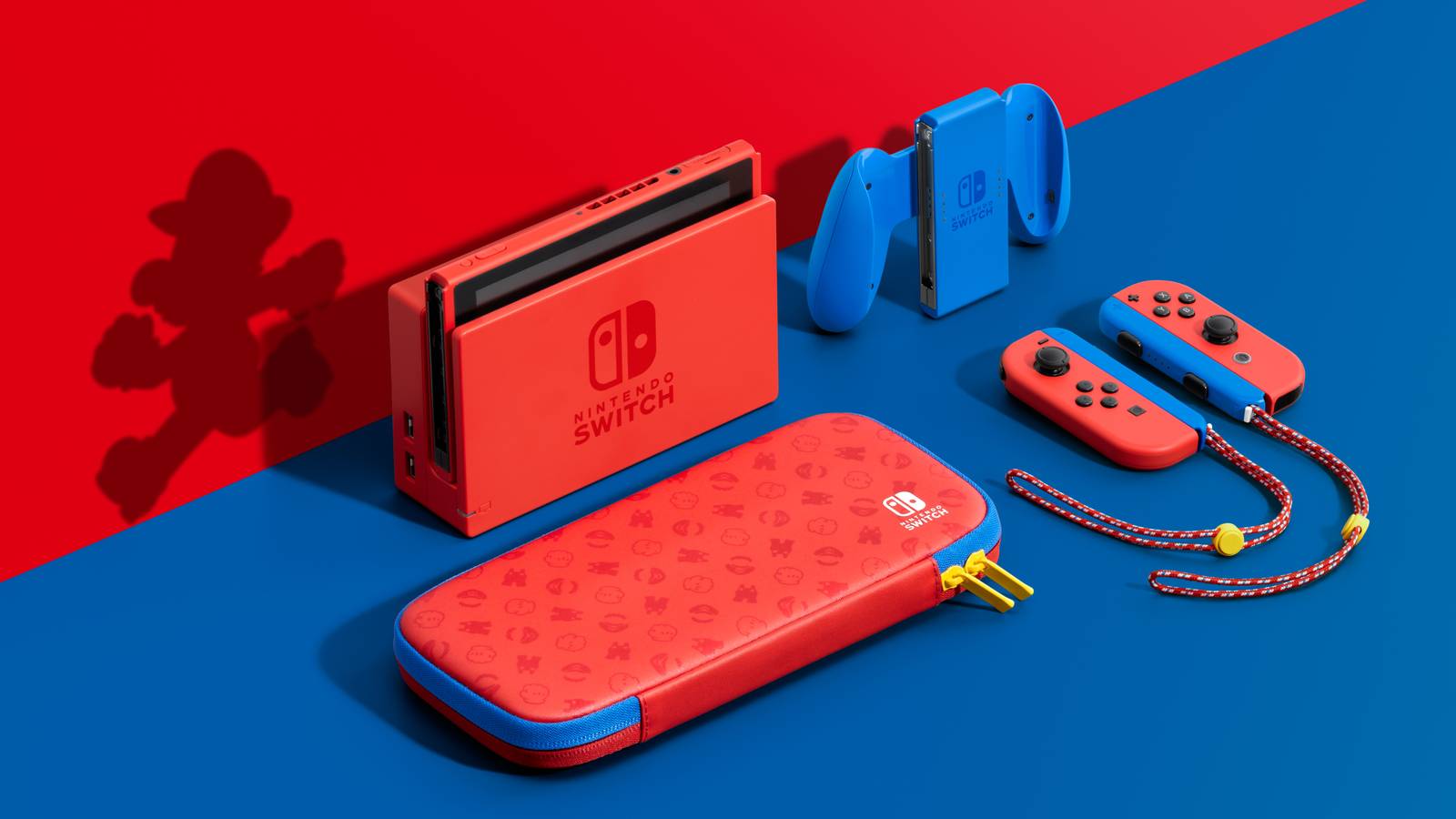
It recently came to light that Nintendo will end production of Nintendo Switch, Switch Lite, and Switch OLED for the European market in February 2027. This is likely earlier than Nintendo would have chosen, but its hand has been forced by new European “right to repair” legislation requiring batteries in electronic hardware to be easily removable and replaceable.
Nintendo is complying with this legislation by introducing a new model of the Switch 2 for Europe with a replaceable battery, as well as revised models of several peripherals, including the Switch 2 Pro controller and Joy-Con and Joy-Con 2 controllers. But the company has clearly judged that it’s not worth the trouble and expense of making the same revisions for the three models of the original Switch, given they are nearing the end of their natural shelf life.
This is logical. And it’s also come about for a very good reason. EU legislators are proud of their record in holding tech companies to account and curbing the extra expense and inconvenience they create for customers in the name of their bottom line. It’s thanks to them that every single device in your house, from MacBooks to cheap rechargeable reading lights, now uses the same USB-C connector to charge. No more pointless proprietary chargers and cables, more convenience, less waste.
It’s the same with this battery legislation; electronics manufacturers, especially smartphone makers, use failing battery life as a way to force obsolescence and push users into upgrades they don’t necessarily need or want yet. (I bet I could get another five years at least out of my iPhone 15 if I could easily replace its battery.) This is about more than inconvenience and consumer rights, though. Right to repair laws are also important to creating a more environmentally sustainable culture in which we maintain the devices we have for longer instead of junking them the minute they become sub-optimal.
The Switch’s early retirement is a small price to pay for this advance — but not as small as it might have been. It is neither Nintendo’s nor EU legislators’ fault that the worldwide memory shortage crisis is pushing the price of game consoles higher and higher. But it’s a fact of life. Soon, the Switch 2 will cost $500. That’s cheap compared to most rivals, and the same price as the base Xbox Series S.
But it’s not actually cheap at all. It’s quite a lot of money. If $500 becomes the lowest point of entry into video gaming, the hobby and the industry are going to lose a lot of new players — young kids, people in lower-income households, people who live in developing economies.
The original Switch, with prices starting at $200 for a Switch Lite and a vast library of games available, perfectly slots into the global need for a budget video game console. But not in Europe, where soon it will be impossible to buy affordable, new video gaming hardware. EU legislators have done the right thing, but their timing is terrible.
eShop game of the week: Denshattack!
It’s Tony Hawk’s, it’s Densha de Go!, it’s Jet Set Radio, and according to Polygon’s Giovanni Colantonio it’s also the best 3D Sonic game of all time. In indie sensation Denshattack!, you’re a skateboarding train transporting vital goods in a colorful post-apocalyptic world. As well as being deliciously barmy, this is one of the best-reviewed games of the year to date.
Nintendo Classics game of the week: Mario Tennis (Game Boy Color)
I don’t want to talk about the World Cup, so let’s pretend Wimbledon is still happening and use it as an excuse to revisit this lovely handheld tennis game for its excellent, RPG-style story mode. It’s not quite as good as the GBA’s Mario Tennis: Power Tour‘s campaign, but it’s better than all the others, including the recent Mario Tennis Fever.
Nintendo Music track of the week: “Maritime Memory / Squid Sisters” from Splatoon
Plucked from Nintendo’s refreshed summer playlist, this is a perfect slice of laid-back electro-pop from Callie and Marie, with a genuinely catchy chorus. (There’s a playlist of all of Switchboard’s music picks here.)
This week’s most interesting releases
Moss: The Forgotten Relic
- July 16
- Switch, Switch 2
- Much-loved, previously VR-exclusive platform adventures about cute mouse warrior go flat
Fitness Boxing 3: Your Personal Trainer — Nintendo Switch 2 Edition
- July 16
- Switch 2
- Enhanced version of the fearsome fitness workout
Culdcept Begins
- July 16
- Switch, Switch 2
- Unexpected return of cult Sega Saturn tactical board game/card game/RPG hybrid
The Mermaid Mask
- July 16
- Switch, Switch 2
- A Detective Grimoire point-and-click mystery
Barda
- July 17
- Switch
- Pack a tidy bag to climb a mountain in this inventory management roguelite

![25th Sep: Baywatch (2017), 1hr 57m [R] – Streaming Again (5.75/10)](https://occ-0-1522-1001.1.nflxso.net/dnm/api/v6/0Qzqdxw-HG1AiOKLWWPsFOUDA2E/AAAABa1FFQZMDaXv5hRh9QMHC_0lOrj0mPvG-udeDlxCH2XAnRXAkmr663zrMkX_FR5rMZqT2HI-sppkeVhy8bHsEk12sHzMdfZNCSbk.jpg?r=a66 "25th Sep: Baywatch (2017), 1hr 57m [R] – Streaming Again (5.75/10)")