




![20th Jun: The Monuments Men (2014), 1hr 58m [PG-13] – Streaming Again (6.05/10)](https://occ-0-2603-999.1.nflxso.net/dnm/api/v6/0Qzqdxw-HG1AiOKLWWPsFOUDA2E/AAAABcevVhuyaZJd96hXXlGDygdzqb3MwA9NdD0Q_XsKaoAf6zjI_jwVosdWN8XX4SoAU7e0fDsaxjjSElvn1__61IrXxT8qg77fttFq.jpg?r=12e "20th Jun: The Monuments Men (2014), 1hr 58m [PG-13] – Streaming Again (6.05/10)")



Five of Canada’s largest oilsands producers and clean energy groups are separately criticizing the federal and Alberta governments for slow progress on finalizing aspects of the energy deal signed last year.
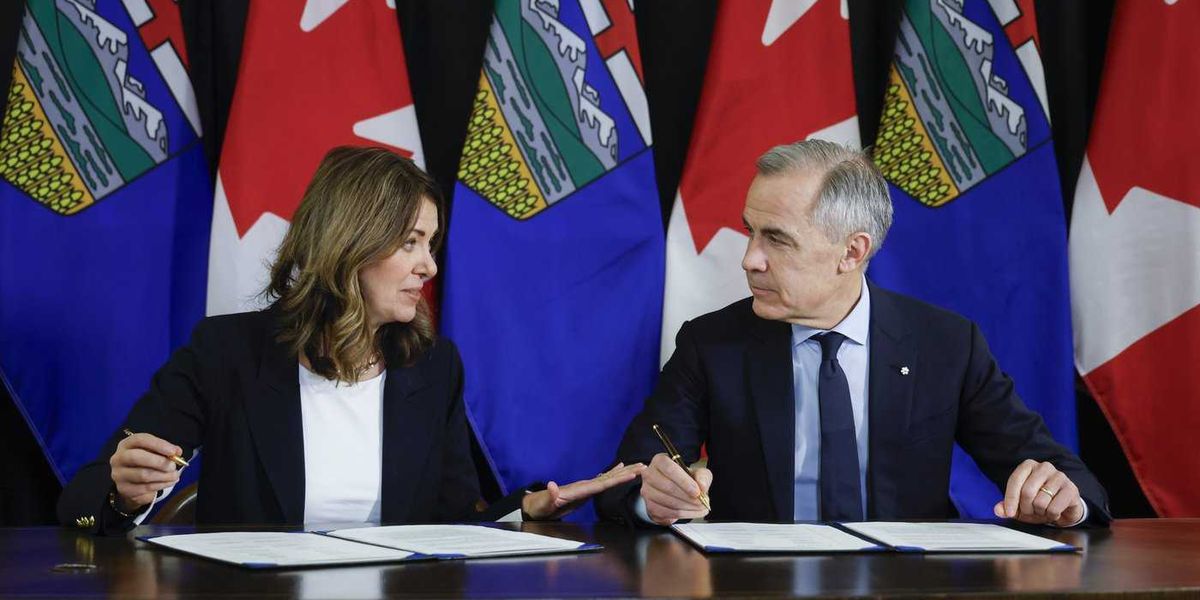
The pact pairs the prospect of a new oil pipeline to the West Coast with several environmental measures, including industrial carbon pricing and an agreement for reducing methane emissions.
In a statement published Monday, the Oil Sands Alliance — formerly known as the Pathways Alliance — said the deal was a good first step, but progress has been too slow.
“Global events over the past few months highlight the importance of affordable, reliable energy in people’s lives and to the health and well-being of national economies, including Canada’s,” the oilsands producers wrote.
“We are at risk of letting this opportunity pass Canada by. Because of complex regulatory processes, uncompetitive carbon frameworks and fiscal systems that do not incent growth, there has not been a major new greenfield oilsands project sanctioned in Canada since 2013 and investment has dramatically declined.”
That opportunity has come about quickly, largely because of the war in Iran and the pressures on global energy supply chains, which has sent oil prices soaring worldwide.
Oil tankers in the Persian Gulf have for months been unable to safely pass through the Strait of Hormuz to reach global distribution points. Nor have Iranian oil exports, thanks to a U.S. blockade. Normally, about a fifth of the world’s oil and liquefied natural gas transits the waterway.
And with no way to export the oil it is pumping out and diminishing room to store it at home, experts say Iran may be forced to dramatically reduce or cease production from some of its wells, perhaps beginning in as little as two weeks.
Such is the global pretext to the head of the International Energy Agency’s visit to Ottawa this week. Tuesday night, Fatih Birol will be part of a fireside chat with Energy Minister Tim Hodgson.
In an interview with The Globe and Mail published Monday, Birol said Canada needs to accelerate energy infrastructure projects to take advantage of this “once-in-a-generation opportunity” for Canada.
Responding to the report, Hodgson said “that’s the plan” in a post on X.
Birol also told The Globe and Mail that Canada has an opportunity to provide predictability to global markets — even though companies here at home say Canada’s regulatory framework does anything for potential investors.
But a group of clean energy and climate proponents say the discourse about rushing to build more energy projects is “unhelpful.”
In their own letter Tuesday, the heads of six climate groups criticized Ottawa for being slow on delivering key aspects of the Alberta energy deal.
They also called on Carney to deliver on policies that “will scale domestic clean energy solutions, reduce emissions and set Canada up for economic success in a rapidly decarbonizing world” while other countries scramble to pivot to new oil suppliers.
“Now more than ever, we are seeing governments simultaneously expedite their plans to scale up clean energy solutions — such as building wind and solar energy projects, or shifting as much transportation as possible to electric vehicles — in order to shield their populations from future oil and gas supply shocks,” the leaders wrote.
“In other words, those in Canada who continue to argue that the war presents an opportunity to expand Canada’s oil and gas exports, including to new Asian markets, are making a consequential miscalculation.”
In contrasting views, while the oilsands producers called on Ottawa to scrap its plans for industrial carbon pricing, the climate leaders say it’s the most important part of the Alberta MOU.
Michael Bernstein, the president of Clean Prosperity Canada and a member of the government’s Net-Zero Advisory Body, said the oil executives are laying out “a false choice by arguing that Canada has to choose between competitiveness and decarbonization”
“We can and should be more ambitious than that. And that’s why the (Alberta MOU) is so important. It paves the path to supporting the sector and strengthening carbon pricing,” Bernstein told The Canadian Press.
“The companies are representing their own private interests, as most businesses would, by trying to reduce their costs. But the public interest is clearly different. Canadians consistently say they want us to decarbonize. And it’s very clear that there are ways to reduce our emissions and keep the oil sector competitive. We can and should do both.”
This report by The Canadian Press was first published May 5, 2026.
— With files from The Associated Press
By Nick Murray | Copyright 2026, The Canadian Press. All rights reserved.