






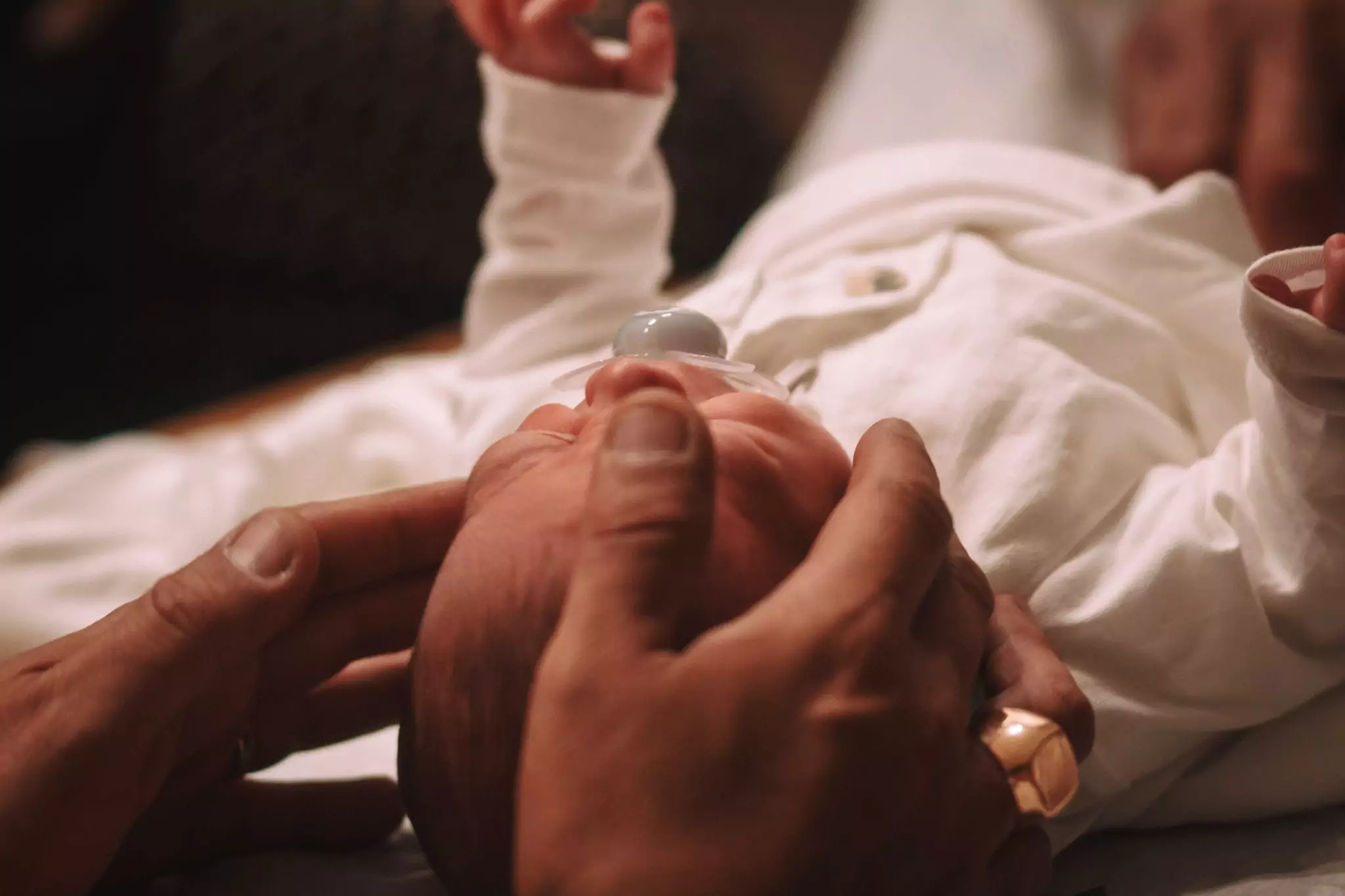
Preserving Tradition, Capturing Moments: A Guide to Brit Milah Photography in Canada
For Jewish families, the Brit Milah (or Bris) is a sacred tradition that marks the entrance of a new baby boy into the covenant of the Jewish people. This ancient ceremony, typically held on the eighth day of a baby’s life, is a deeply meaningful and joyous occasion that warrants commemoration. In today’s digital age, photography has become an essential part of preserving the memories of this special day. This article explores the unique aspects of Brit Milah photography in Canada and offers guidance on how to capture the right moments.
Drawing Inspiration from Digital Platforms When planning for Brit Milah photography, many Canadian parents turn to digital platforms for inspiration and ideas. YouTube, in particular, has become a go-to resource for families looking to get a sense of the different styles and approaches to documenting this sacred event. A simple search for “Brit Milah photography” or “Bris photography” yields a plethora of examples from ceremonies across the globe.
For a more curated selection of Brit Milah photography inspiration, some Canadian families also turn to niche websites like Bemazal. This platform showcases a range of ceremonial photography styles specifically for Jewish traditions, including Brit Milah. By browsing the galleries on Bemazal.com, families can get a clearer sense of the types of shots and moments they want to prioritize in their own ceremony.
Capturing the Essence of the Canadian Brit Milah While the core traditions of the Brit Milah remain consistent across Jewish communities worldwide, the ceremony can take on distinct flavors depending on the location and cultural context. In Canada, Brit Milah ceremonies often blend elements of Ashkenazi and Sephardi traditions, reflecting the diverse Jewish diaspora that calls the country home.
In terms of venue, Canadian families have a range of options for hosting a Brit Milah. Some choose to hold the ceremony in their home, creating an intimate and personal atmosphere. Others opt for a synagogue setting, either in the main sanctuary or a smaller chapel. In recent years, some Canadian families have also started holding Brit Milah ceremonies outdoors, taking advantage of the country’s scenic beauty as a backdrop.
Regardless of the venue, Canadian Brit Milah ceremonies typically include a few key elements that warrant special attention from a photography perspective. These include:
- The ceremonial chair: Known as the Kisei Shel Eliyahu (Elijah’s chair), this ornate seat is where the baby is placed during the ceremony. Capturing detail shots of the chair’s intricate decorations and symbolism is a must.
- The Sandek: This is the person (usually a grandparent or family elder) who holds the baby during the circumcision. Capturing the tender interaction between the Sandek and the baby is a powerful way to illustrate the generational continuity of the tradition.
- The Mohel: The trained professional who performs the circumcision. In Canada, Mohalim (plural of Mohel) often travel between cities to perform ceremonies, so it’s important to get some shots of them in action.
- The parents: Candid shots of the parents beaming with pride, love, and perhaps a touch of nervousness are essential for telling the full story of the day.
- The guests: A Brit Milah is not just a ceremony, but also a community celebration. Capturing the joy and togetherness of the gathered friends and family is key.
Stylistic Considerations for Brit Milah Photography When it comes to the photographic style for a Brit Milah, Canadian families tend to gravitate towards a blend of documentary and portraiture approaches. The goal is to capture the authentic, unscripted moments of the ceremony while also ensuring there are some more formal, posed shots of the key players.
Many Canadian photographers specializing in Brit Milah also aim to capture the unique cultural and aesthetic elements of the family’s specific Jewish tradition. For example, for a family with Moroccan Jewish heritage, the photographer may focus on capturing the ornate Sephardi-style Kisei Shel Eliyahu or the traditional Moroccan garments worn by the family.
Compared to Brit Milah photography in Israel, Canadian photographers often have to be more adaptable and flexible in their approach. While in Israel, the ceremonies often adhere to a more standardized format and aesthetic, the diversity of the Canadian Jewish community means that each Brit Milah can be quite unique. Canadian photographers need to be attuned to these cultural nuances and able to adjust their style accordingly.
Conclusion Capturing the right moments in a Canadian Brit Milah requires a blend of cultural sensitivity, adaptability, and photographic skill. By drawing inspiration from online resources, being attuned to the unique elements of Canadian ceremonies, and adopting a style that balances documentary and portraiture, photographers can create visual keepsakes that families will treasure for generations. Ultimately, the goal is not just to document the event, but to encapsulate the love, joy, and sacred continuity that lie at the heart of this ancient tradition.