




![19th Jun: Voicemails for Isabelle (2026), 1hr 58m [TV-14] (6/10)](https://occ-0-1081-999.1.nflxso.net/dnm/api/v6/0Qzqdxw-HG1AiOKLWWPsFOUDA2E/AAAABWLvs5ipGANBS9rvl7dLbkpd1tMyMpCl3_6vd2KHKXRpoptMX2AYZ94ZNpkAjUyQNFjf2wmkdxSnRF4FVZAP-9dwgVSXwDVbAJwnci8aS5pvPIg07RviqSJsiGMzyMUrCw3b-QafNIWAOWKrHURh2xhFAHT5MorNAHo5u-tL090BwQ.jpg?r=200 "19th Jun: Voicemails for Isabelle (2026), 1hr 58m [TV-14] (6/10)")




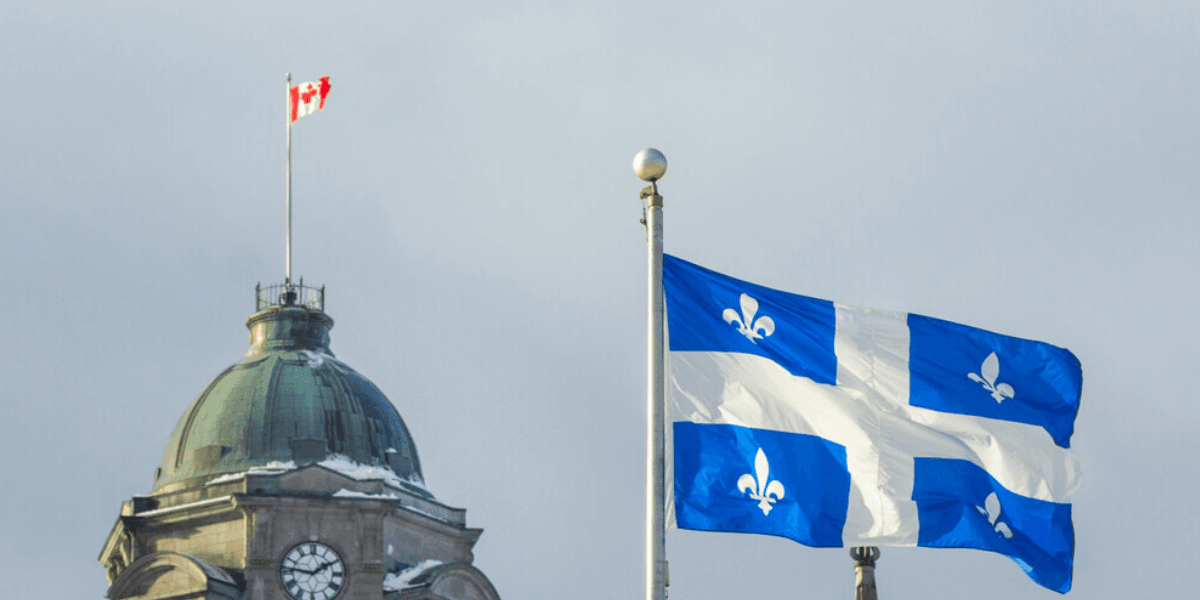
Quebec workers are about a week away from a bigger paycheque.
Starting May 1, the province’s minimum wage will rise from $16.10 to $16.60 per hour — a 50-cent increase that works out to a 3.11% bump. That’s larger than last year’s raise, which came in at 35 cents. For anyone working full-time hours, the change adds up to roughly $687 in additional take-home pay over the course of a year.
Around 258,900 workers across Quebec are expected to benefit. Tipped workers will also see an increase, with their minimum rate climbing from $12.90 to $13.30 per hour.
Agricultural workers who pick berries will see adjusted piece rates as well: $4.93 per kilogram for raspberries and $1.32 per kilogram for strawberries.
How Quebec compares to the rest of Canada
After May 1, Quebec will sit in the middle of the national pack. Here’s where every province and territory currently stands, including upcoming increases:
- Nunavut: $19.75
- Yukon: $18.51
- Federal: $18.15
- British Columbia: $17.85 (rising to $18.25 on June 1, 2026)
- Ontario: $17.60 (rising to $17.95 on October 1, 2026)
- Prince Edward Island: $17.00 (rising to $17.30 on October 1, 2026)
- Northwest Territories: $16.95
- Nova Scotia: $16.75 (rising to $17.00 on October 1, 2026)
- Quebec: $16.60 as of May 1, 2026
- Manitoba: $16.00 (rising to $16.40 on October 1, 2026)
- Newfoundland and Labrador: $16.35
- New Brunswick: $15.90
- Saskatchewan: $15.35
- Alberta: $15.00
A few things worth noting from that list. British Columbia is already ahead of Quebec and is set to widen that gap further when its rate jumps to $18.25 in June. Ontario trails Quebec right now, but is closing in with its October increase. And Alberta, with no increases currently scheduled, remains the lowest in the country at $15.00 — a full $1.60 below where Quebec will be next week.
For broader context, Quebec’s minimum wage has climbed from $12.00 per hour back in May 2018, meaning workers have seen a total increase of $4.60, or roughly 38%, over the past eight years.