








The war between the US, Israel and Iran has been unfolding since the end of February; its continuation has wreaked havoc across the region and also caused significant disruption to global oil supplies, and subsequently the cost of jet fuel.
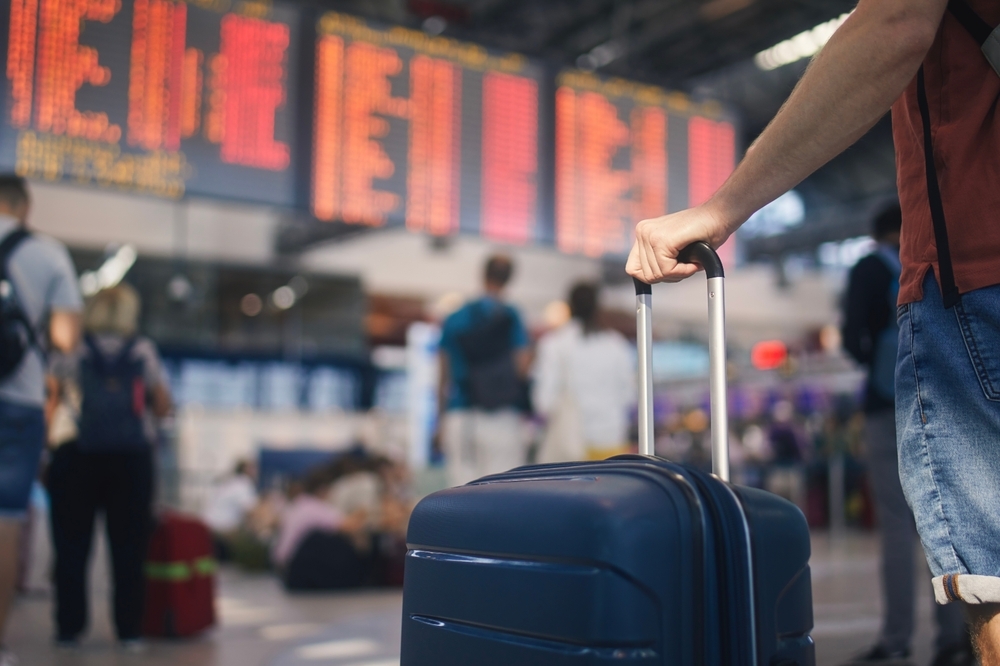
Travellers are facing steep prices and cancelled flights. So: what’s going on? Should you put your holiday plans on pause? Here’s the lowdown.
What’s happening with jet fuel prices right now?
Between 25 and 35 percent of an airline’s operating costs goes on fuel, and despite a 0.9 percent decrease last week to $195.19 per barrel compared to the week before, prices are still around more than double the cost in late February, according to the International Air Transport Association.
This is all because of the ongoing Middle East conflict, but even if that stops in its tracks tomorrow, the knock-on effects to the aviation industry will likely linger for a while.
Special adviser to the Secretary General of UN Tourism and aviation expert Anita Mendiratta told euronews that ‘Jet fuel cannot be stored in large quantities at airports, and the system relies on continuous deliveries through refineries and pipelines. That means even short disruptions can create operational challenges quite quickly, particularly at large hub airports.’
At the time of writing, United Airlines has reportedly announced a five percent cut to planned flights, Air New Zealand is lowering its capacity by five percent and has cancelled around 1,100 services between now and May, and SAS, a Scandinavian airline, has also slashed 1,000 flights this month.
As for how it’s affecting flight prices, Cathay Pacific has reportedly increased prices on all of its routes, temporary surcharges have been introduced by both Air Asia and Qantas, and Thai Airways expects fare rises between 10 and 15 percent.
Higher operational costs have also been caused by planes avoiding certain flight paths in the Middle East, which has subsequently affected seat fares.
Should I wait to book my holiday?
According to Mediratta, data relating to changes in tourist behaviours show that people are still keen to travel this summer, but how they plan to go about it is shifting. The reality is that higher ticket prices and fewer flight options have forced lots of people keen to book to look closer to home, or for more flexible options.
Booking your flights as early as you possibly can for your trip with either protections or flexible or refundable options might be the best way to have them secured, but a spokesperson from Booking.com also recommends setting up alerts for flight price fluctuations.
Alternative ways to travel this summer
Luckily, flying isn’t the only way to see the world. The beauty of travelling in Europe is the breadth and reliability of its trains (here are some of our favourite new routes this year).
Our advice? Take this as an opportunity to turn your attention to the continent’s beyond-the-obvious summer holiday contenders. We’ve got guides to Europe’s most underrated places, city breaks, beauty spots and underrated summer activities that showcase Europe’s less-trodden tracks, all accessible via overland travel.
🌞 Read ’s practical, actionable guide to embracing flight-free travel this year.
ICYMI: This affordable city known for its food and art has been named Europe’s best solo travel destination.
Stay in the loop: sign up to our free Travel newsletter for all the latest travel news and best stuff happening across the world.


