

![6th Sep: True Things (2021), 1hr 41m [TV-MA] (5.95/10)](https://occ-0-8173-1007.1.nflxso.net/dnm/api/v6/0Qzqdxw-HG1AiOKLWWPsFOUDA2E/AAAABWJAIRJeypkipmN2iIQPmEpgQBusa2sNmBameJ4Q2cQT8wPWEvO_YP2paEEJEi_n1ou3lphDSjm6p1XrT923EoLCEe7DOqUqjmFd_NFBefw0djZLKhkK4wyiph7gbPR8GwLEhc0AhpgYpizp26JOlBnb5Cx6tvlCA_R3i6LfQlfKGg.jpg?r=b53 "6th Sep: True Things (2021), 1hr 41m [TV-MA] (5.95/10)")



Sinfonia is a play in which older people of the local community take to the stage to share fragments of their lives. We may not often stop to imagine what growing old will feel like. Will we become trapped within bodies that no longer move as they once did? Will everyday tasks become more difficult? Will we lose the energy and freedom of youth? Sinfonia does not answer these questions directly but gently invites us to reflect on them. Watching this group of local older people standing on stage and telling stories of both joy and sorrow, I did not see either the fear or the anxiety of ageing. Instead, I saw calmness, peace, and a wisdom that can only emerge from a lifetime of lived experience. They danced, they sang, and they played music, not to perform youth, but to celebrate life itself.
The play begins with an almost Brechtian moment of alienation. The performers enter by moving chairs and setting up the stage themselves. Yet this practical action soon becomes quietly choreographed. As they place their chairs and sit down, their movements are gentle, measured, and surprisingly fluid. It feels as though they are connected by invisible threads, echoing one of the play’s most memorable lines: “This is my story. This is our story.” We do not grow old alone; we grow old together.
Following the first round of storytelling comes a joyful sequence of music and dance, full of warmth and energy. Another round of stories follows, this time speaking about illness, physical limitations, and the inconveniences that accompany ageing. Yet none of these stories feel tragic. Instead, they reveal the resilience of ordinary people and their remarkable ability to continue embracing life despite its challenges. The performance quietly reminds us that life, much like Forrest Gump’s famous metaphor, is like a box of chocolates, you never know what comes next. The performance takes place at Harrogate Theatre, itself a 126-year-old heritage building. The setting feels especially meaningful. These older performers are not simply acting for an audience; they are sharing their own histories and their relationship with the city of Harrogate. Their stories become part of the theatre’s own history, woven into the cultural memory of a building that has witnessed generations of lives unfold.
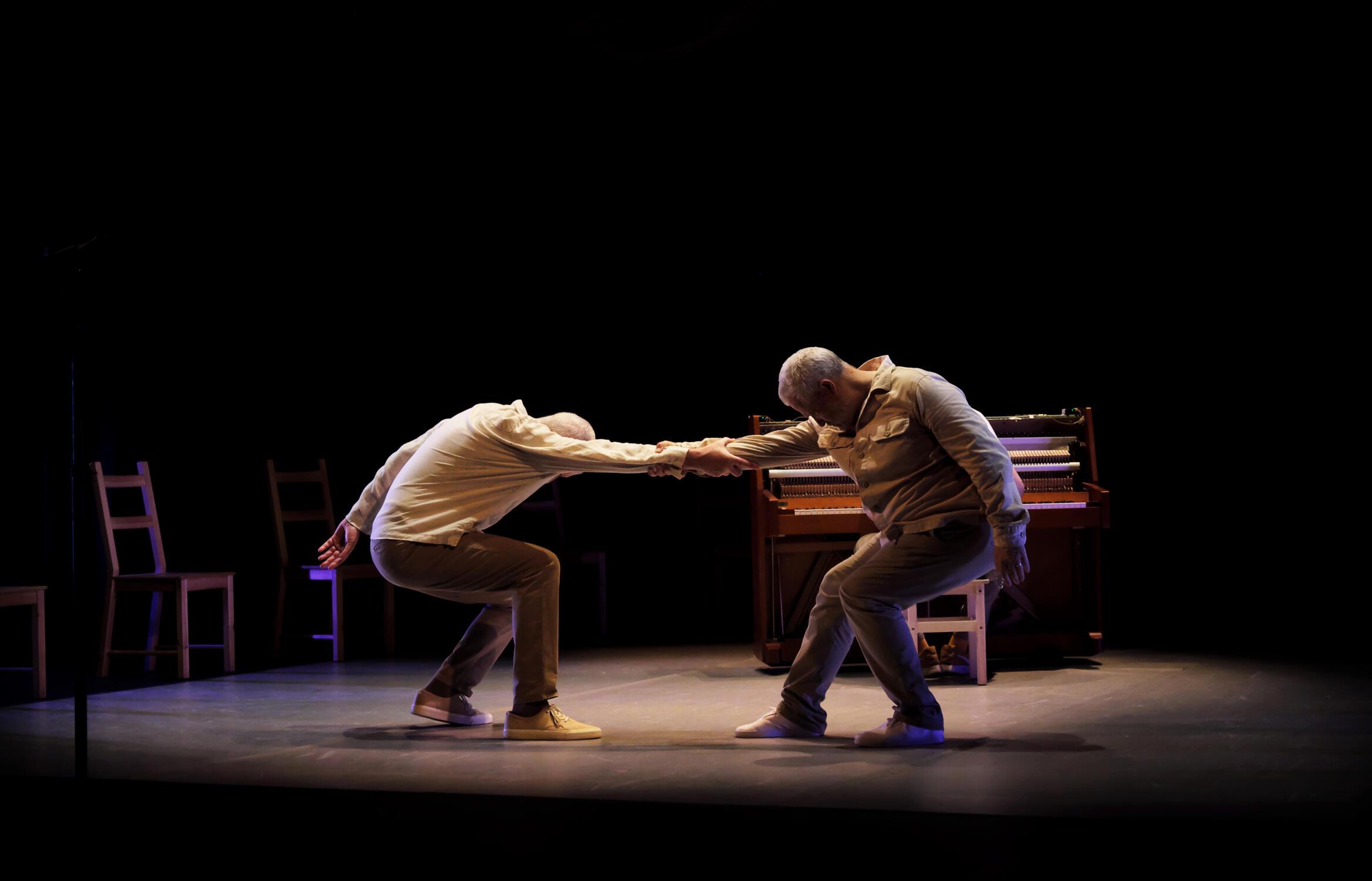
The visual language of the production reflects this simplicity. The performers wear linen and cotton in natural shades of white and cream, while the wooden chairs remain unpainted, revealing their original texture and form. There is little decoration, yet nothing feels absent. Instead, the scenography strips away unnecessary distractions and leaves only people, memory, and nature. It suggests that after a lifetime filled with extraordinary moments, the deepest understanding of life may ultimately be found in simplicity.This sense of purity affected me more than I expected. Sitting in the auditorium with a smartphone in my hand to take notes, I almost felt guilty for allowing technology to interrupt such an intimate experience. I found myself wishing I had brought only a pen and a small notebook, recording my thoughts in the same simple, human way that these performers were sharing their lives. Their stories did not come from research or imagination; they came from decades that they had physically lived.
This is theatre in one of its purest forms. These performers are not acting as fictional characters or telling someone else’s stories. They are performing their own lives. Performance becomes an act of witnessing, allowing us to encounter experiences that might otherwise remain unheard.
After sharing so much of themselves, each performer simply says, “Thank you.”
“Next week I start a new show.”
“Tomorrow I will swim.”
“Tomorrow I will walk in the dale.”
These ordinary sentences become unexpectedly moving. Rather than ending with reflections on the past, they look quietly towards the future. Life continues.
One of the last sequences was done in the physical absurd theatre style. Two performers remain on stage, moving, singing, and dancing together. There is no dramatic climax, only life continuing to unfold before us, moment by moment. Their movements feel less like choreography than memory itself being unpacked on stage.
The performance closes with the words:
“In the end, there is no end.”
Perhaps that is the greatest gift Sinfonia offers. Growing older is not simply the final chapter of life; it is another stage of living, filled with stories still waiting to be told.
This post was written by the author in their personal capacity.The opinions expressed in this article are the author’s own and do not reflect the view of The Theatre Times, their staff or collaborators.
This post was written by Xunnan Li.
The views expressed here belong to the author and do not necessarily reflect our views and opinions.