




“Relief!” That was the first word from Jamey Stegmaier, co-founder of Stonemaier Games, after the U.S. Supreme Court struck down sweeping tariffs that had rattled the board game industry — along with every other sector of the global economy — for months. “Relief that the tariff taxes can’t skyrocket on a whim tomorrow, a fear I’ve lived with every day since April,” he told Polygon via email.
On Feb. 20, the Court ruled 6-3 that the International Emergency Economic Powers Act (IEEPA) does not give the president authority to impose broad tariffs. In practical terms, that means the 145% tariff placed on Chinese imports under that authority are invalid, and tariff rates revert to what they were before the administration first used IEEPA to invoke the emergency powers law in April 2025.
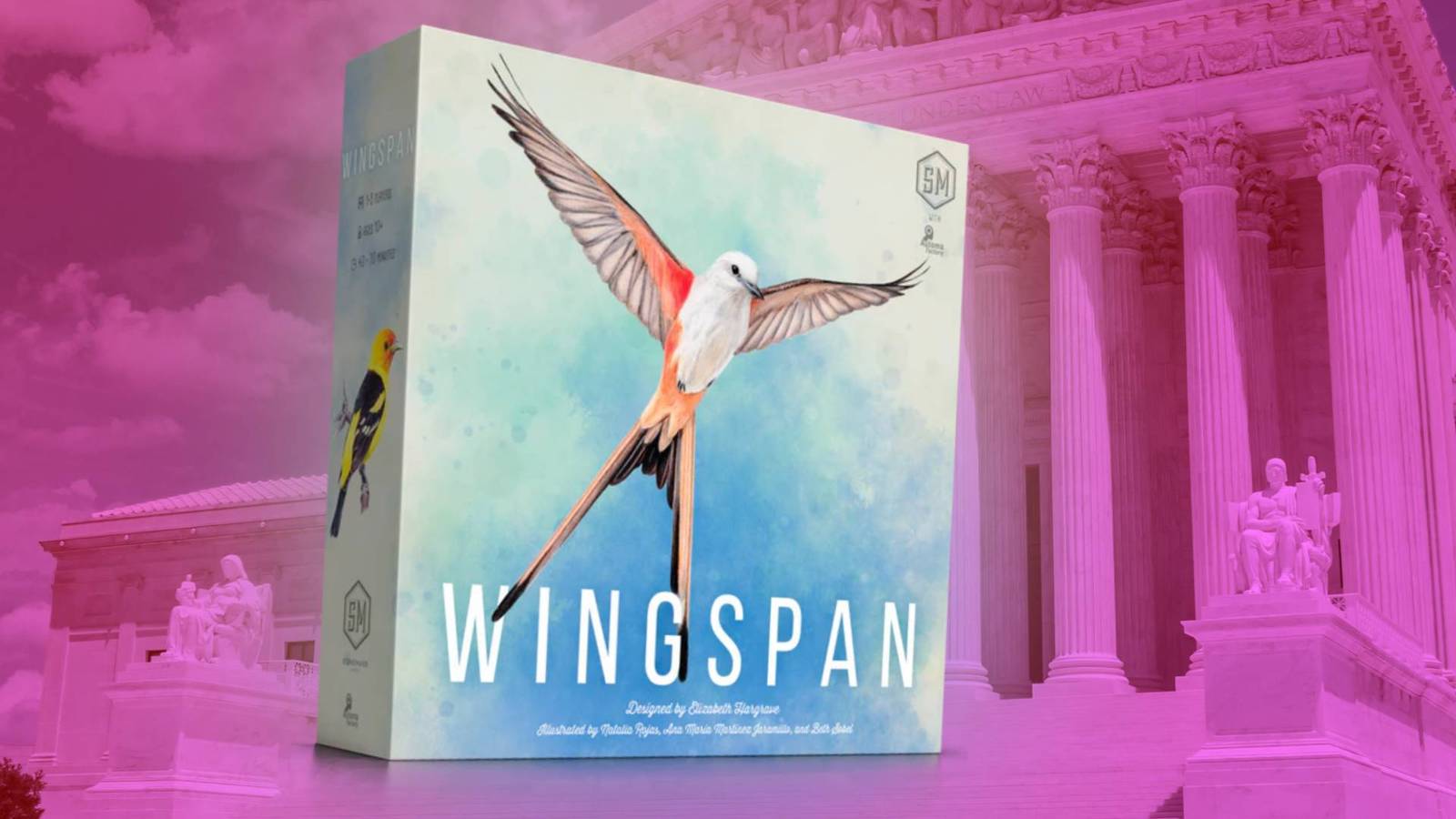
For tabletop publishers like Stonemaier — the Missouri-based company behind Wingspan, Scythe, and Viticulture — the decision removes a layer of uncertainty that had threatened print runs, crowdfunding projects, and retail pricing across the United States. April’s 145% tariff meant that for every $10 spent on manufacturing, Stonemaier must pay $14.50 in tariffs when importing those goods back to the United States. At the time, Stonemaier’s recent production run was essentially trapped in China with a tariff price tag of $1.5 million. And the $10 million in 2024 production costs could have resulted in as much as $5 million more in additional expenses. Which is why Stonemaier, alongside other businesses, joined the lawsuit against Trump handled by Pacific Legal Foundation, ultimately leading to the Feb. 20 decision.
“The Supreme Court’s decision is a win for the separation of powers and the American people,” Oliver Dunford, a senior attorney with Pacific Legal Foundation, told Polygon via email. “The Court held that the power to regulate does not include the power to tax, and Congress did not delegate away its taxing power in IEEPA. As the Chief writes, only Congress has the power to tax. That’s what PLF argued in our lawsuit against the tariffs, and it’s heartening to see the Court embrace real limitations on Congress’ power to hand away core powers to the executive.” PLF also confirmed to Polygon that it would be pursuing refunds for all of its clients.
The ruling marks a dramatic turn for an industry that relies heavily on overseas manufacturing, particularly in China, where most board games are produced. Stegmaier has written extensively on his blog about the tariffs’ impact on the industry and Stonemaier specifically, even breaking down the math in one particular post to highlight how the additional costs of tariffs put immense pressure on publishers, retailers, and consumers alike.
Other publishers have been even more blunt. Cephalofair Games — publisher of Gloomhaven — previously described the tariffs as a “doomsday scenario for the U.S. board game industry.” After months of uncertainty, the Court’s decision makes the future of that industry look a little less bleak than it did yesterday.
“I feel the ruling resolves this specific uncertainty,” Stegmaier said. “But the courts haven’t stopped the current president from doing all sorts of things that typically require congressional approval, so I think there are major risks involved for the remaining three years of his final term in office.”
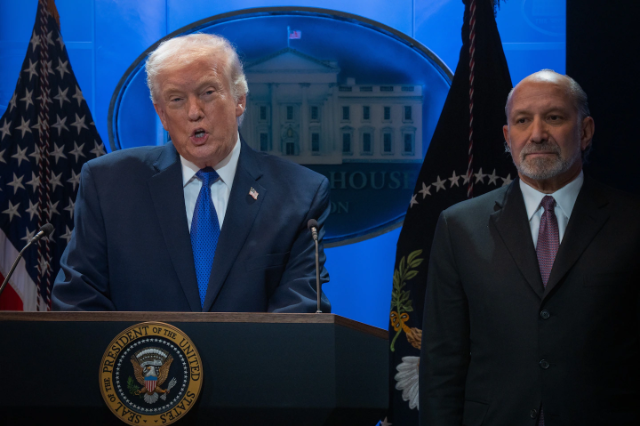
Just hours after the Court’s decision was published, President Donald Trump made a televised address to express his disappointment with the decision — and disgust in the justices who made it. He also indicated that his administration would pursue alternative measures to maintain tariffs, calling it a matter of “economic national security.”
“Today, I will sign an order to impose a 10% global tariff under Section 122, over and above our normal tariffs already being charged,” Trump said. He added that national security tariffs under Section 301 remain in place and that additional investigations are being initiated. Trump also quoted Justice Brett Kavanaugh’s dissent in the Supreme Court ruling, which suggested the decision might not substantially constrain a president’s ability to impose tariffs through other legal pathways.
“Other alternatives will now be used to replace the ones that the court incorrectly rejected,” Trump said. “We have alternatives. Could be more money. We’ll take in more money and we’ll be a lot stronger for it.” For tabletop publishers, the celebration might be short-lived, because all the uncertainty isn’t entirely gone — it’s been transformed into something else.