







Nobody before or since has made consoles like Sega did in the 1990s. The company was constantly trying new things, many of which involved attaching clunky accessories like the Sega CD or 32X onto a Genesis console. Between 1983 and 2001, it released a whopping 15 different pieces of hardware.
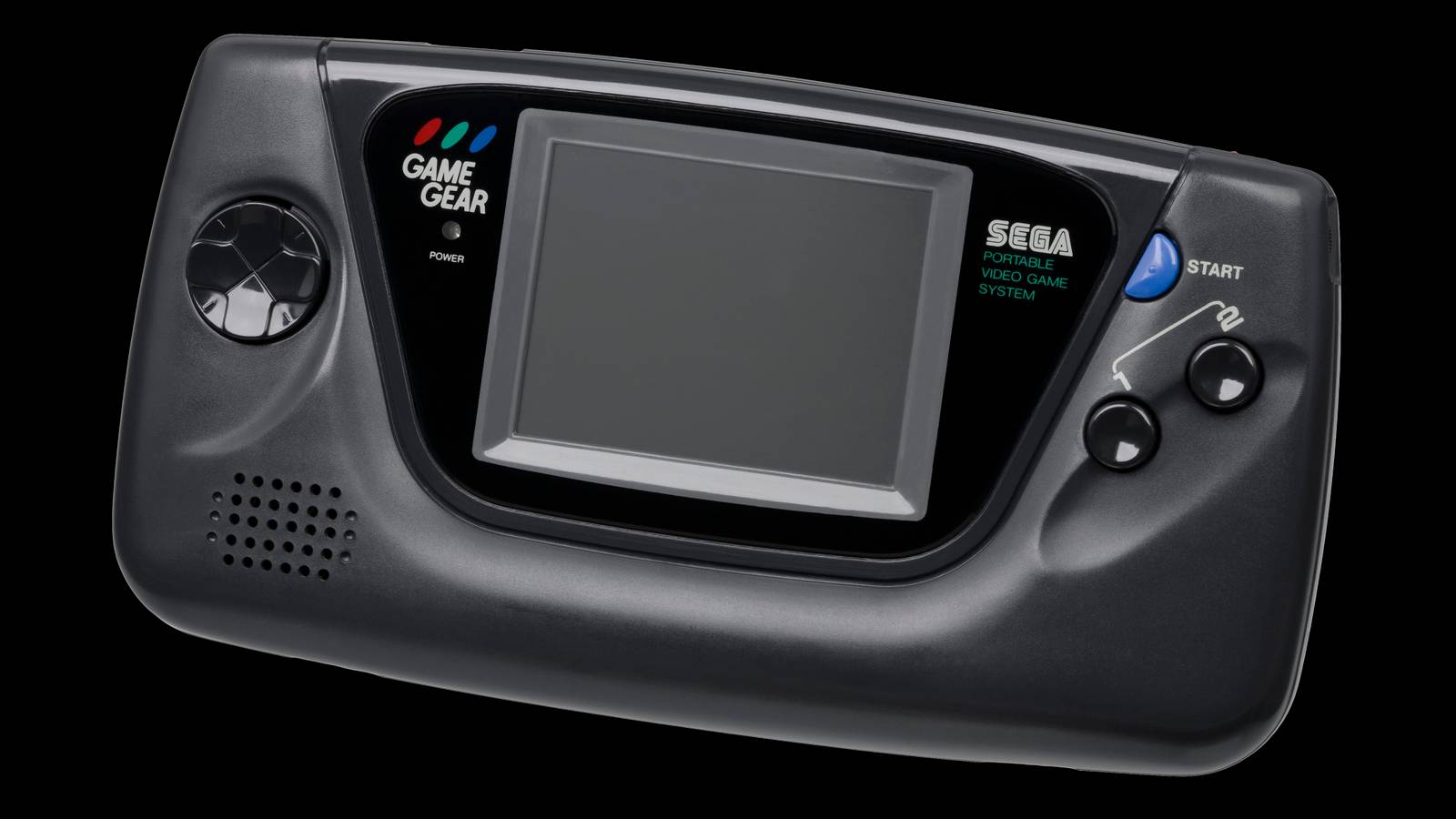
Sega also enjoyed making new things from its old things, like the Game Gear handheld, which debuted in Europe and North America 35 years ago this month. The Game Gear used many of the same components as the 8-bit Master System, and aimed to be a more “mature” competitor to Nintendo’s massively popular Game Boy. It didn’t pan out the way Sega had hoped, but the Game Gear nevertheless played an important role in shaping the ambitions and scope of handheld gaming.
The Game Gear featured a full-color, backlit LCD screen, a major selling point in contrast to the dingy gray and green visuals of the Game Boy. Sega wasn’t the first to offer a color handheld — the Atari Lynx and NEC’s Turbo Express came first — but it was the first to do so at a compelling price point. For $149, players could enjoy full-color versions of Sonic the Hedgehog, Mortal Kombat, and NBA Jam on the go.
The Game Gear’s visuals were a massive step up compared to the Game Boy. But its library mostly consisted of inferior versions of Sega Genesis games. Game Gear never had anything comparable to Pokémon, which,for 30 years,has been a system-seller for pretty much every Nintendo handheld. The Game Gear was a battery gobbler, getting just three to four hours of play time out of six AA batteries. But unlike the Game Boy, Sega’s handheld included an AC port and could be played while plugged into a wall socket. Its horizontal layout also made it easier to hold. While it wasn’t a massive success in its time, the Game Gear feels like a more direct ancestor to the Steam Deck or Nintendo Switch than the Game Boy.
Sega made a lot of unconventional accessories for its handheld console. The best known is the TV Tuner, which piggybacks onto the rear of the console via the cartridge slot and has a long, silver retractable antenna for broadcast signals. Mobile phones and tablet computers have largely destroyed the concept of using a gaming handheld to watch TV or movies, but outmoded technologies like the TV Tuner and PlayStation Portable’s UMD movies have a certain charm in retrospect.
The TV Tuner also has an AV-in port, so you can technically use it as a screen to display video from modern devices. That means it’s technically possible to play your Nintendo Switch on your Game Gear. I don’t know why you would ever want to do this, but it’s pretty neat!
The Master Gear Converter was another bolt-on peripheral that allowed you to play Master System games directly on the Game Gear. It was a forerunner to the much more popular Super Game Boy, which let you run portable Nintendo games on your SNES console. Sega also released the Super Wide Gear accessory, a screen magnifier so gargantuan that it rendered the console all but impossible to use.
The Game Gear ended up being the closest competitor to the Game Boy, but it ranked a very, very distant second place. Nintendo’s handheld sold roughly ten times as many units as Sega’s. The Game Boy and its variants are the fourth-best-selling game console of all time, with more than 118 million units sold. That said, there’s no denying that Sega was cooking when it came to its TV ads for the Game Gear. With wailing electric guitars, talking rodent corpses, and likening the experience of Game Boy to “drinking out of a toilet,” it’s all just exquisitely 1990s ‘tude, everywhere you look.
Even though the Game Gear didn’t live up to Sega’s ambitions, the company was correct in its assessment that there was a big market out there for more sophisticated gaming handhelds. It just took the rest of the industry a few years to catch up.

Nintendo’s new Virtual Boy is a treasure trove of forgotten games
Fans of retro oddities are the target audience for this conversation piece