





![28th Aug: Storage Wars (2016), 9 Seasons [TV-14] (6.15/10)](https://occ-0-8167-92.1.nflxso.net/dnm/api/v6/0Qzqdxw-HG1AiOKLWWPsFOUDA2E/AAAABe6fR3vhXBwZLnQ8Z4w6GNaCJxThF3GfDzIbQNwrdjJxyJMGXjMRXJtozqdXtI2Vf_dGIQN9HhospOvrrY-YfyulnoEzZ3Kez64OQUDmZiN2Mon4W9T5jRHDXrJgN5ih5hugwiy724Y5rsytKMKRqOY63nt2f-E0xZfswUxpA6hc-w.jpg?r=121 "28th Aug: Storage Wars (2016), 9 Seasons [TV-14] (6.15/10)")



Back when the pricing of the Nintendo Switch 2 was announced, in April 2025, everyone was worried about tariffs. Ah, those innocent days, 14 whole months ago, when we thought the biggest threat to the cost of our game consoles was the capricious economic policy of President Donald Trump’s administration. What babes we were. How little we knew.
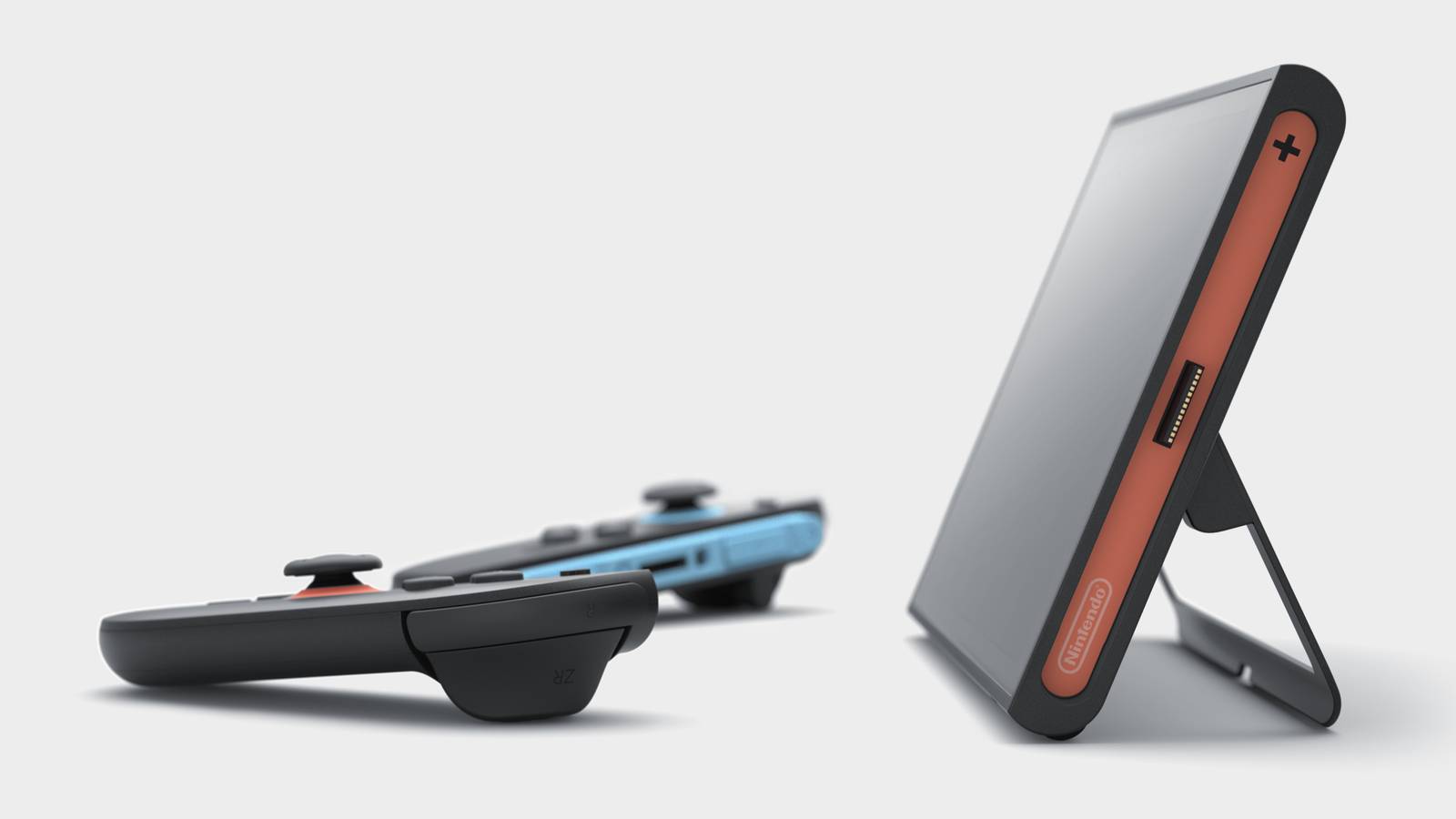
Nintendo said it had accounted for the impact of tariffs with the Switch 2’s initial sticker price of $450 (although, a few weeks later, it was forced to increase the cost of some accessories). Everyone complained anyway. At $450, the Switch 2 was a whole 50% more than the Switch had been at launch, and similarly priced to the base model of PlayStation 5. Even adjusted for inflation, it was Nintendo’s most expensive console ever.
It seemed a worryingly high price for a handheld console. Was Nintendo giving away one of its great advantages in the market — the affordability of its hardware? Nintendo executives were submitted to grillings on price. Armchair strategists wondered if the company had scored a massive own goal.
It turns out that Nintendo had been either prescient, lucky, or both. It also knew its customers. The Nintendo faithful, hungry for the well-specced new hardware, weren’t put off at all, and the Switch 2 flew off the shelves at an unprecedented pace. But this was just early adoption, and there were still legitimate concerns over whether the Switch 2 was too pricey for the mass market.
The Switch 2 soon looked cheaper, though, because everything else got more expensive. Through the summer, the price of Xboxes, PlayStation 5s, and even original Switches all increased in the U.S. And this was just the start. Tariff concerns would soon be eclipsed by a far more dire crisis. All year, a shortage in the supply of fast memory chips for RAM and storage, driven by the rampant expansion of AI datacenters, had been looming like a thundercloud on the horizon. In late 2025, the storm broke.
Prices skyrocketed. Xbox raised its prices for a second time in six months. The biggest new game hardware of the year, the ROG Xbox Ally handheld, launched with an eye-watering $1,000 price tag for the premium model. Soon, the cost of a base PlayStation 5 would be $600. All of a sudden, the Switch 2 seemed like a positive bargain.
Nintendo now looked smart. But things were developing so fast that it wasn’t long before people started to worry again. Far from being too expensive, was the Switch 2 now too cheap? Would Nintendo be forced into a humiliating price hike that would tank its chances in the market? When Nintendo cut Switch 2 production slightly, analysts started catastrophizing.


But when Nintendo finally did announce a price increase, it was a relatively modest hike of $50, to $500. (The new price will be effective from Sept. 1.) It seems Nintendo has insulated itself from the worst effects of the RAM crisis — by its tried-and-tested budget approach to hardware specs (the Switch 2 has only 256 GB of storage, and 12 GB of RAM); by its huge influence and purchasing power as a manufacturer; and by setting the Switch 2’s price wisely in the first place
Valve, without these advantages, was recently forced to raise the price of the Steam Deck to start at $789. That’s an almost $300 premium for a handheld console that, while it does have better specs than Nintendo’s device, is broadly comparable in power. It’s a shocking indication of how bad the RAM crisis is getting — and how comparatively well Nintendo has positioned itself.
Even Nintendo, with its decades of experience in the game retail market, sometimes slips up. It might have got the Switch 2 price right, but its decision to price Mario Kart World at $80, presumably in expectation that others would follow suit, now seems premature. But it got the most important number right. A $500 Nintendo console might once have seemed unfathomable. But after all the turmoil of the past year, Nintendo once again finds itself where it likes to be — with the most affordable video game console out there. With things being as they are, that might be a more valuable advantage than ever.


Nintendo couldn’t screw up in 2025, no matter how hard it tried
The Switch 2’s launch year could have gone better, but it was a triumph anyway
