


![20th Jun: The Amazing Digital Circus (2025), 9 Episodes [TV-PG] – New Episodes (7.1/10)](https://occ-0-1381-999.1.nflxso.net/dnm/api/v6/0Qzqdxw-HG1AiOKLWWPsFOUDA2E/AAAABahXmGWZ5uKyiibe3nQDMmuBqn8gCon6erHgHbZsbN6UQSHVQOMRxb4XboaIrVb6oDzzjJvSth8LeXoDa1-kCJhgSe1ryoTqWcqCy5d8kZ1uNRhUckoCw2SQhksAgIUarFycXfPdsfvram4toDm3wiW4UIM2Jo9vjI1owoeDzciTWqC45OAT5Tu8rQoBCE1bttELhXbWTgwLsDtvoN6GRrPUIhwuCPGK7JoC66zDCYloJpLljFu6R65DqTOIaGqO-hOXJ-QnrmW7LwvsTrJY3Pvoz8h7Xr9bfARRIcFPdBtFb0f-lCMVcXqVr982tg.jpg?r=8c1 "20th Jun: The Amazing Digital Circus (2025), 9 Episodes [TV-PG] – New Episodes (7.1/10)")

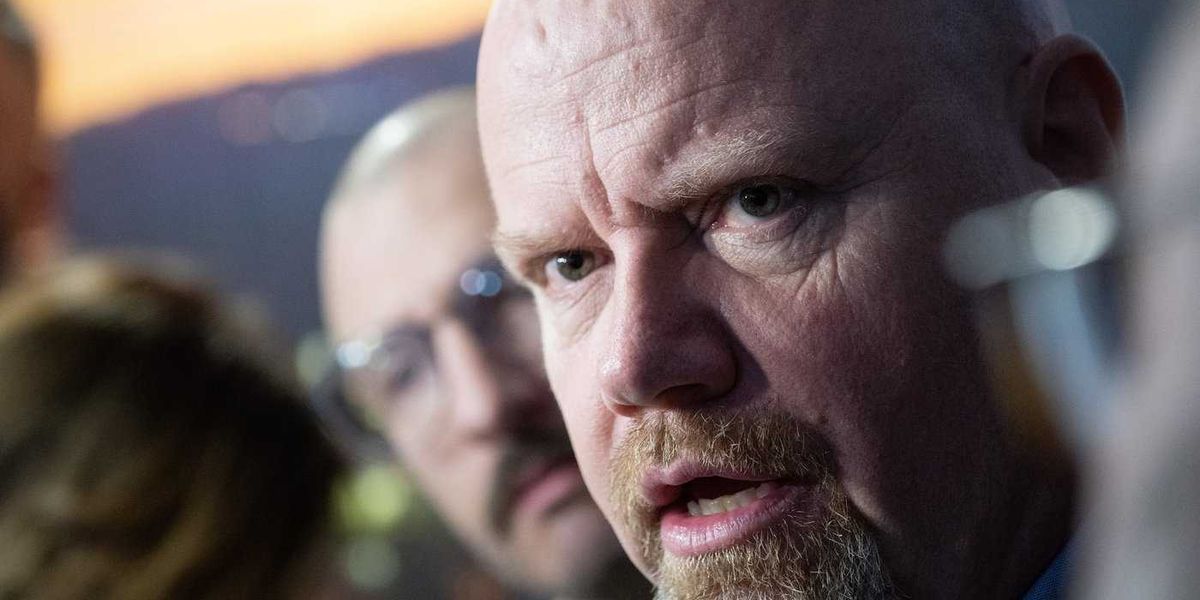



Tracy Thomson, a teacher at Keele Street Public School, in her classroom in Toronto.Laura Proctor/The Globe and Mail
When Tracy Thomson set out to teach a popular Indigenous song to her students, she expected they would love it. They would be keen to explore the song and the other materials giving insights into the artist and the creative process – the sorts of details many young music students are curious about.
What Ms. Thomson did not expect is that exploring the song would lead to discussions among her students about safe drinking water and life on reserves in Canada.
But that, she says, is the power of Ancestors Voices, a program launched by the Coalition for Music Education in Canada, now in its second year.
This school year, the organization chose Adrian Sutherland’s Kiyash, a song in Cree about Indigenous peoples’ connection to the land. It’s a profoundly important topic for the artist, who lives in Attawapiskat, a fly-in First Nations community on the coast of Ontario’s James Bay, which has long struggled to access clean drinking water.
“It really brings these social issues to the students in a way that is meaningful,” said Ms. Thomson, who teaches music at a kindergarten to Grade 8 school in Toronto. “It becomes less abstract, and they care about the issue more and it makes them want to learn a little bit more.”
A poster for Ancestors Voices in Ms. Thomson’s classroom. For the past two years, she has participated in the program, where teachers share and learn songs by contemporary Indigenous artists with students.Laura Proctor/The Globe and Mail
The Ancestors Voices program was launched to give music educators across the country an opportunity to explore Truth and Reconciliation with their students through the lens of contemporary Indigenous artists and materials that give context to their work. These include interviews, an artist’s guide, video content provided by the artist and links to their other songs, said Stacey Sinclair, executive director of the Coalition for Music Education in Canada.
“You get this well-rounded presentation that talks about everything about their lives, their work, their songwriting process, about the themes in the song,” she said. “It’s really to inspire learning and discussion.”
More than 200,000 students across Canada have participated in the program since it launched in September, 2024.
The materials are available to music educators throughout the year.
Ms. Thomson will usually explore the materials with students several times throughout the school year, including in September, to reflect on National Day for Truth and Reconciliation, again the spring and once more in June, revisiting the same song.
Percussion instruments sit on shelves in Ms. Thomson’s classroom. The program’s success has shown the appetite music educators across the country have for exploring contemporary Indigenous artists with their students, and how much can be learned.Laura Proctor/The Globe and Mail
For Mr. Sutherland, who was born in Attawapiskat and has explored his Cree identity in music and books, the program is unlike anything he had access to growing up.
“I didn’t really have any music class up until I attended high school in Timmins,” he said.
His mother had always played guitar and the organ, but it was in music class in high school that Mr. Sutherland discovered a love of drumming and was further able to explore his love of playing guitar.
Listening to songs and exploring their creation is an ideal way to explore other cultures, Mr. Sutherland said.
“Whether you’re in kindergarten or Grade 12, what better way to do it than through music?” he said. “Music is able to transcend barriers. Everybody loves music.”
The Ancestors Voices program was launched to give music educators across the country an opportunity to explore Truth and Reconciliation with their students.Laura Proctor/The Globe and Mail
Julian Taylor, whose song Seeds was selected for the inaugural Ancestors Voices program, agrees.
“You listen to music and you listen to stories, and those are the earliest, in my opinion, ways to get feelings and morals and cultural experiences across to people who may not have had them,” he said.
Mr. Taylor, who is Afro-Indigenous, said Seeds was inspired by a text he received from his cousin after the Tk’emlúps te Secwépemc First Nation near Kamloops, B.C., announced in 2021 that it had discovered 215 probable unmarked graves on the grounds of a former residential school.
They tried to bury us, but they didn’t know we were seeds, the cousin wrote.
The simplicity of the song, and its “positive nature,” has helped it resonate with many young people, Mr. Taylor said.
“I get clips all the time from classrooms across the country with people studying this song and children singing it,” he said.
Ukuleles in Ms. Thomson’s classroom. More than 200,000 students across Canada have participated in the Ancestors Voices program since it launched in September, 2024.Laura Proctor/The Globe and Mail
The goal of the program was always to amplify Indigenous voices, Ms. Sinclair said.
Its success has shown the appetite music educators across the country have for exploring contemporary Indigenous artists with their students, and how much can be learned.
Ms. Thomson said the program is a perfect fit for the goals of the curriculum.
“These broader ideas about caring for one another, being grateful, making music, building community – all of these things go across all curriculum areas,” she said. “So it just makes really, really great connections.”