![1st May: It Takes Two (1995), 1hr 41m [PG] – Streaming Again (6/10)](https://occ-0-82-1001.1.nflxso.net/dnm/api/v6/0Qzqdxw-HG1AiOKLWWPsFOUDA2E/AAAABYO2NZu5cf7jG3TXqsrb7TvY-yAgQeMUvx-42wEzIE5JYJrUjJqfzwp44drmtfuh4LkT6MGt2MaZIv6pR0OlAmb_kj1M23gtIzZ8.jpg?r=53c "1st May: It Takes Two (1995), 1hr 41m [PG] – Streaming Again (6/10)")




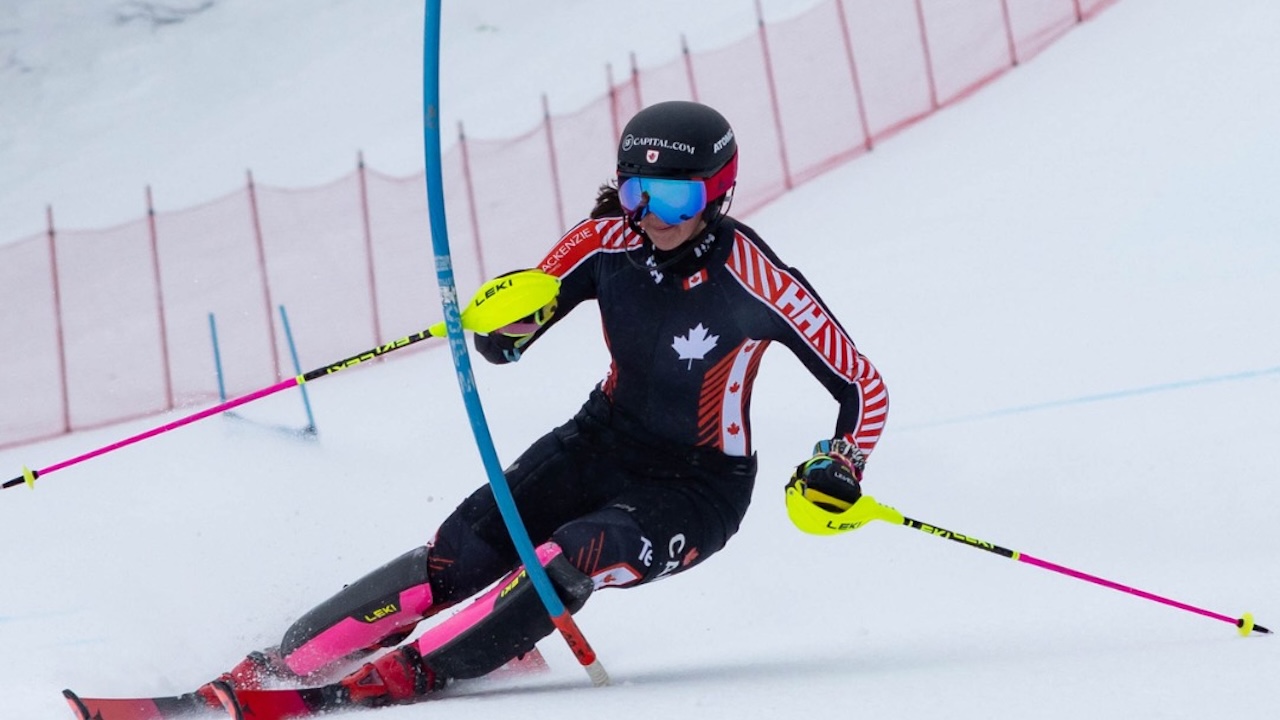
Toronto alpine skier Ali Nullmeyer is returning to the Olympics this year with plenty of experience under her belt — not just from debuting in the Olympics four years ago (where she finished 21st in slalom), but from battling injuries in the time between. Back pain took her out for half of the 2023/2024 skiing season, and persisted into 2025. Nullmeyer pursued rehab and medical interventions, and came out on top, qualifying for the 2026 Milano Cortina Winter Olympics. We caught up with the returning Olympic athlete to chat about what she’s expecting for her second Games and what battling injuries has taught her.
How are you doing? What’s the vibe?
It’s exciting. Some of us are going for a second or third time, and some of us, it’s their first time. There’s a different amount of nerves and excitement but we’re all happy to get it started. It’s been a big build up all season.
This is your second Olympics. How is it different coming back versus your first go around a few years ago?
I definitely know a little bit more about what to expect. Beijing was a bit weird because it was COVID. We were all so stressed to even get there without a positive test that we almost crashed when we got to the Olympics. We wanted to go so bad.
For me, at least, I definitely have a better perspective going into this Olympics because I know what to expect. It’s less nerve-wracking; I just have to ski at this point, which is what I love to do, so that part of it is exciting for me. My first Olympics, I learned a lot mentally, like how to deal with the nerves and the pressure when it comes on fast.
You said online that the last few years have been difficult for you in terms of your career because you’ve been battling injury. What’s your perspective been coming into such a big and momentous event like the Olympics this time, having overcome that kind of adversity?
It’s maybe not the most ideal buildup into the Olympics. You always hear on TV when people say, “This is the result they wanted going to the Olympics.” Going into the last Olympics, it was like that. I had my first top five. I almost had a podium finish. I had a couple of my first top tens. My confidence was at an all-time high, but still, the pressure was so much that I wasn’t able to handle it. I’ve gained the perspective of knowing that you don’t always need the perfect build up into the Olympics or into an event — it’s just another race for us. The only thing that really changes is now the whole world is watching.
I haven’t been able to ski a lot in the last two years, and so every time I am on snow and I am training, it’s very focused training. That helps me be ready for races, being able to dial in when I can only take three or four runs a day. I know these are the rounds I need to be able to perform on. It hasn’t made it easy, but it’s honestly helped me be able to manage certain aspects of the sport.
It must help from a mental perspective, when you get to the Olympic-sized stage, from a viewership perspective, of being able to turn it on and off.
I had a really tough time mentally after the last Olympics. You hear a lot of athletes go through that. I just felt like I didn’t perform how I wanted to and I went into a pretty low place. I don’t ever want to put myself back in that position. It’s been really freeing knowing that I’m not going to put pressure on myself. I’m really just gonna go out and ski and do what I can.
Name: Ali Nullmeyer
Hometown: Toronto
Sporting: Alpine skiing
Olympics so far: Competed in the combined event with Cassidy Gray, but was disqualified during her slalom run.
Next Olympic event: Feb. 18, women’s slalom
Social channels: Instagram
What are your hopes for the current Olympics?
That’s a good question. It has been a very challenging season for me. I’ve been managing a chronic back issue for the last five years. I’ve had some good years, some bad years. This year, it hasn’t been great. On top of it, I have a knee injury I’m dealing with now, which came out of the blue. Honestly, it’s allowing me to take away all other expectations other than just to go and focus on my skiing and try to ski each turn the best I can.
That’s pretty much what I’m focusing on, mostly, going into the next two weeks. Just having fun. For me, that’s such a big piece of it, to really enjoy what we’re doing and to understand that what we’re doing is really cool.
In terms of non-skiing, what are you most excited for this Olympics?
I’m excited for the village life, being able to interact with more athletes. The Beijing Olympics, we would get COVID tests in the morning . We had to wear masks everywhere. Technically we weren’t allowed in other athletes’ rooms. It was not really what I expected an Olympics to be like because it was very closed off. I’m really excited to interact more with other athletes and actually get to meet and talk to people in the dining hall, or wherever it is.
Switching gears a bit, how did your experience growing up in Toronto shape you as an athlete?
It’s funny, as an alpine skier, because everyone always asks me, “You’re an alpine skier, but you’re from Toronto?” For example, some Europeans don’t know the geography of Canada, so they don’t know that there’s Collingwood two hours away, and even that, compared to what they’re used to out here, is definitely a smaller hill.
I really learned to love skiing going back and forth between Toronto and Collingwood. I’d go to school in Toronto, and often I would leave on Wednesday or Tuesday nights and I would train Wednesday, Thursday, Friday in Collingwood, spend the weekend training, come back Sunday night, and do two, three days at school. I feel for my parents. I just hopped in the car and fell asleep, but they battled the four-hour traffic to Collingwood every weekend. I really appreciate them for that and giving us that opportunity.
[During] my time in Toronto, I’ve met so many of my friends that I’m still friends with now— one of them is coming here to the Olympics to watch, which is cool because I met her in junior kindergarten. They’re all super sporty, all my friends from Toronto. We grew up playing all types of sports. We played in our neighbourhood baseball league and we played hockey together. That was huge for me to love sports and love trying to get better at something.
It builds a level of resilience when you’re forcing yourself to do things and actually get better at them.
For young athletes, it’s important to play a lot of different sports because there’s so many things you can learn from. I tried every different sport I could. I loved volleyball, I loved baseball. I tried cross country, which I was horrible at. But it was fun to do different things.
Do you have any other advice for young athletes?
Having fun with it is a huge one. I’ve always been pretty hard on myself. That can take you to a certain point, but then it works against you. Be compassionate to yourself as an athlete or as a human. Not everyone’s going to win a medal at the Olympics, but that doesn’t mean that everyone didn’t work hard or everyone’s not deserving of whatever it is. Try to find perspective in your situation and enjoy it.
We’ll be profiling more athletes during the 2026 Winter Olympics; refer here for future coverage.