



Even as it’s evolved throughout the ages, and in response to all kinds of emerging technologies, puppetry has remained a primordial form of play—one born of the kind of imaginative curiosity about the material world that sees potential for agency within even inanimate objects.
Historically, puppeteers have always been present behind the scenes, pulling strings and playing an active role in sustaining the performance and illusion of puppetry. But at the end of the 19th century, as puppetry intersected with the rise of a new medium in filmmaking, the puppeteer and their mechanics became invisible. On screen, a puppet can appear wholly alive, like its own autonomous being, with seemingly no strings attached.
But the human element never fully disappeared. It’s always there, just better-hidden, with skilled craftspeople putting together a puppet’s various parts and animating them between lengths of photographic film. No matter the technological advances behind today’s cinematic versions of this art form, any audience member watching films that involve puppets is still participating in an ancient human tradition.
As we all marvel at objects awakened to motion, we’re reminded that puppets reflect the essence of life. They have been around longer than anyone can remember; through them, we tell stories about our societies and ourselves. Even more wondrously, through their minute movements and gestures—breathing, blinking, walking, or sighing—puppets remind us what it means to be alive.
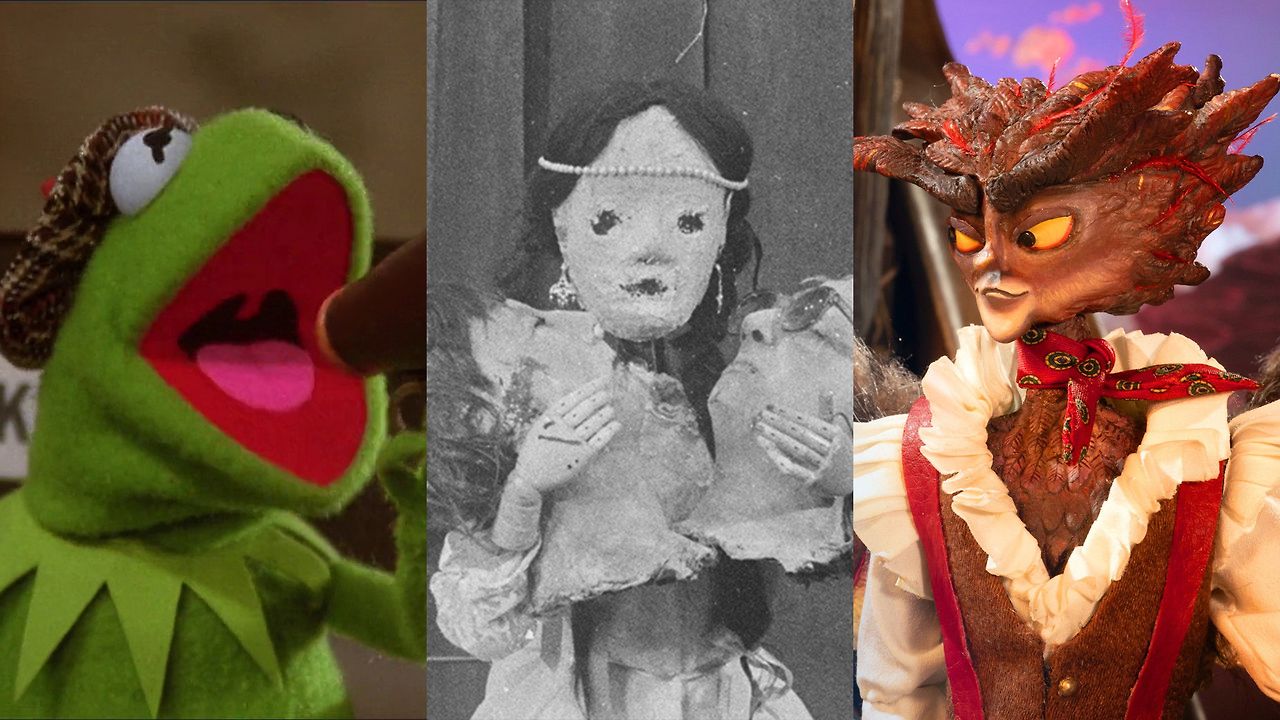
This starter pack celebrates the “rainbow connection” between cinema and puppetry in all its myriad colors, from live-action to stop-motion. Gathered here are recent films that illustrate the promise of modern, global cinema while still engaging with puppetry’s rich history.