

![29th Jun: Little Angel (2025), 8 Volumes [TV-Y] – New Episodes (6.3/10)](https://occ-0-1381-999.1.nflxso.net/dnm/api/v6/0Qzqdxw-HG1AiOKLWWPsFOUDA2E/AAAABW1tbLTJj3TL7iORl-eikBkWavjVdc40KKMzc4WMKD2aW-0Yg0IT1kGbIGAVAyDeLeLBo3Xw-yCIcTj-hR69tMxQjtxM49wmGI5FooA17w7IL41LD7isNWbDgFCkpsaCl18ITbJnL_5sbOr6Geu_BmM6uCErbfSK_9_7ZtgIAIM.jpg?r=e9b "29th Jun: Little Angel (2025), 8 Volumes [TV-Y] – New Episodes (6.3/10)")







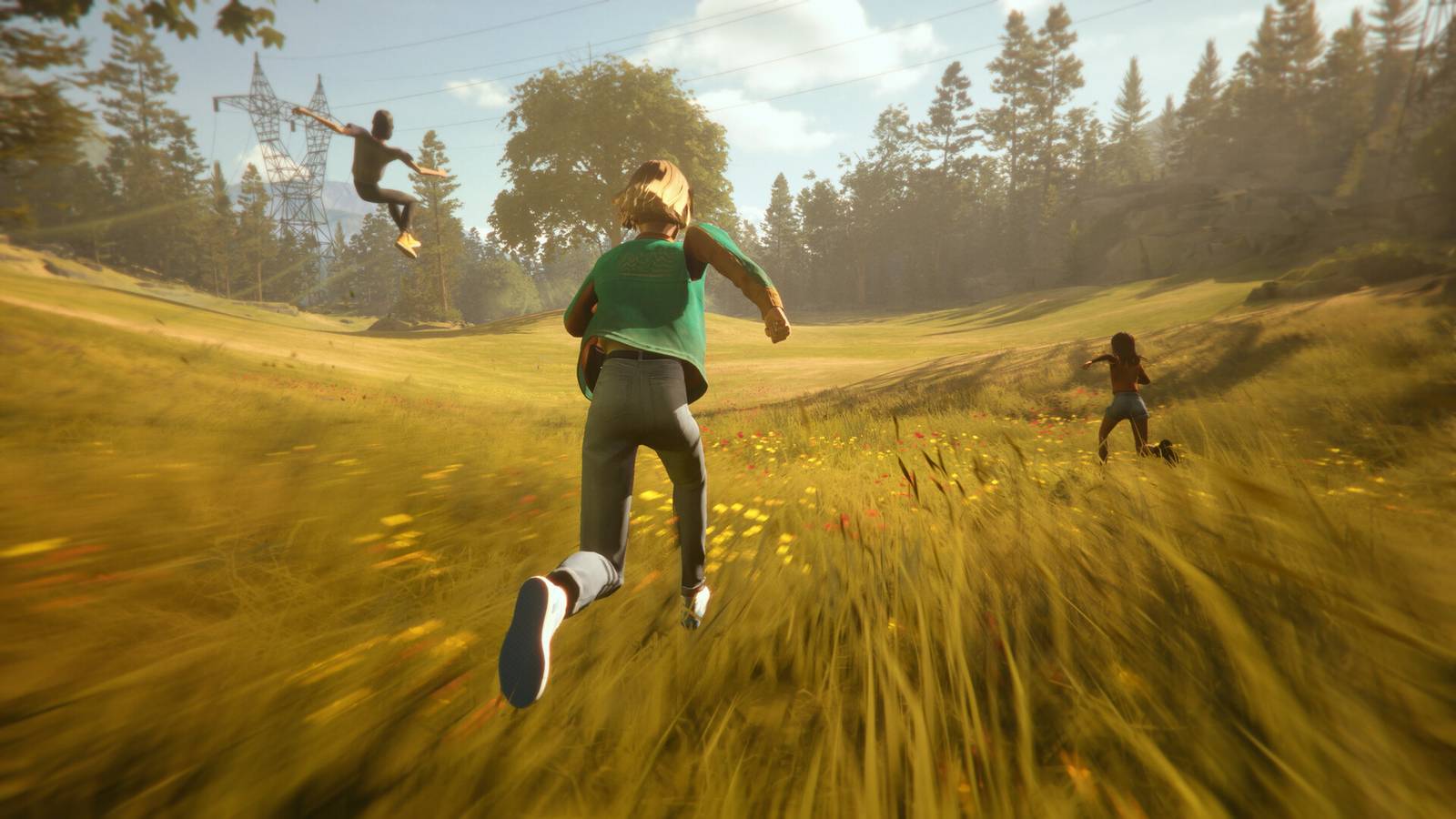
It’s no surprise that Mixtape is a huge hit with a very specific audience. Beethoven & Dinosaur’s critically acclaimed coming-of-age adventure is a nostalgic treat for anyone who grew up in a small American town, listening to Joy Division and pining for an escape from their suburban prison. I enjoyed it well enough as a light crowd-pleaser, but one mystery has been bugging me ever since I rolled credits: When the hell does this thing actually take place?
That should be a straightforward question with a clear answer, but it isn’t. Mixtape never outright says what year it’s set in. Divorced from any major current events of the time, it only offers context clues that roughly locate you somewhere in the ‘90s. Even then, the tone of the game doesn’t always line up with the likely setting. From the ‘80s comedy inspiration to some anachronistic writing, it’s hard to read Mixtape as a straight period piece. That era-blending confusion lays one of Mixtape’s biggest issues bare: The teenage experience it describes isn’t as universal as Beethoven & Dinosaur makes it out to be.
If you’re trying to find a firm year to place Mixtape in, 1995 is the most logical conclusion you could draw. The majority of the music used in the game predates that year. For instance, Portishead’s Dummy, which plays a pivotal role in an emotional turning point, landed in 1994. The most recent reference we get is a nod to Montell Jordan’s “This Is How We Do It,” which was released in 1995. That year lines up with some story details, the focus on skater culture, and a sequence set in a VHS rental store.
While all that checks out logically, I couldn’t blame anyone for thinking it’s not quite right. For one, Mixtape seems to be heavily inspired by the works of director John Hughes, best known for foundational ‘80s comedies like The Breakfast Club and Ferris Bueller’s Day Off, two films that match up with Mixtape’s tone. (During one scene, the story’s teen trio debate their favorite films of the ‘80s.) That gives everything a specific texture that’s distant from the grunge rock angst and skate counterculture of the mid-’90s.
More confusing is the fact that the characters don’t really talk like they’re from either the ‘80s or ‘90s. During a rock-skipping sequence, protagonist Stacey Rockford uses the word “cinema” in the slangy context that today’s youths use it to describe a moment that feels like a movie. In a flashback scene where Stacey and her friend Van Slater pose in a photobooth, Slater says, “Can the camera handle the kind of sauce I’m putting out here?” There is no universe in which kids were saying “sauce” in 1995. It’s about two decades too early.
There are two ways you can read those weird decisions. On one hand, you can chalk it up to a messy script that could have used a second pass. The more generous read, though, is that Beethoven & Dinosaur is reaching for something universal. It doesn’t want Mixtape to be a period piece that’s only relatable to those who grew up in the mid-’90s — a goal that’s only partially successful if that’s the intent. I was more of a mid-2000s indie kid and I still recognize the familiar small-town angst Rockford is reckoning with, even if Death Cab for Cutie and Modest Mouse were on my own mixes. If you’re the kind of person who sees music as a soundtrack to your life, you’ll likely find something to connect with in Mixtape.
Where Beethoven & Dinosaur goes wrong, though, is in treating its vision of the mid-’90s suburbia as a broadly relatable teenage experience. It isn’t. Stacey and her crew represent a very specific kind of ‘90s high schooler: the cool kids who just want to spend their days skating and listening to music, free from the long arm of the law. The archetype Mixtape explores is the product of compounding historical moments that gave rise to a breed of angsty teens. They were part of a counterculture that was doing everything in its power to push back against rampant ‘80s commercialism and Reagan-era faux-optimism. That lined up with the rise of the ‘90s grunge scene, and bands like Nirvana that made it cool to be apathetic slackers.

Mixtape is wonderful, but missed a shot at being personal
This universal movie adolescence lacks the specificity to really hit
A common misconception that I’ve repeatedly seen about Mixtape is that it’s geared toward Millennial nostalgia. That’s a slight misdiagnosis, though one that’s understandable given the slippery blending of time periods. Most everything about its aesthetic, from the bands that are deemed cool to the aspiration sheen with which it portrays apathy, is inseparable from Gen X culture. My brother, who is six years older than me, had a radically different high school experience than I did. He was watching Dazed and Confused and romanticizing stoner culture; I was navigating high school in George W. Bush’s new, fear mongering world order built from the wreckage of 9/11. The contexts in which we came of age mattered.
Even within our respective generations, neither of us was representative of a universal teen of the era. My brother, for instance, just saw the O.J. Simpson trial as sensationalist TV in 1995, entertainment no different from The Jerry Springer Show. He wasn’t shaped by the beating of Rodney King or the Los Angeles riots that followed. We sometimes use broad strokes to describe the vibe of an era, but a generation is not a monolith.

That gets lost in translation somewhere in Mixtape, perhaps because it’s the product of an Australian studio writing about American teens. The emotions feel sincere, but the game as a whole can feel like a period piece telephoned through old movies. The lack of specificity pulls Stacey and her crew out of context from the place and time that would have shaped them, leaving Mixtape with an amorphous voice that invites you to project onto it to fill in the gaps. If you didn’t have the teenage experience it vaguely describes, it can be hard to find a way in.
Perhaps the best way to latch on, if you’re in that boat, is to put the nostalgia out of your mind entirely. Strip back all the needle drops and Mixtape is simply a story about a kid who is so desperate to leave town and never look back, even if it comes at the expense of the people she cares about. Stacey resonates less as a universally relatable ’90s heroine and more as a flawed character who is coming to terms with the fact that she’s going to miss the thing she hates when it’s gone. Who will she exchange mixtapes with when she leaves Slater behind? The final moment of the story makes that tension tangible when it physically forces the player to let go of the one thing Stacey loves more than music. You don’t need to be a ’90s kid to feel that heartache.
![29th Jun: Countdown (2019), 1hr 30m [PG-13] – Streaming Again (5.7/10)](https://occ-0-503-92.1.nflxso.net/dnm/api/v6/0Qzqdxw-HG1AiOKLWWPsFOUDA2E/AAAABbp28zz-eQ7JzcTknsgtLlobCdMHN6iBmCZ72SymHta_m9FnLnNdU5xozYGxB9pjCoyjReG2C2osAtOftUwZ0HFHjrnv-zXfIQNM.jpg?r=693 "29th Jun: Countdown (2019), 1hr 30m [PG-13] – Streaming Again (5.7/10)")