![3rd Apr: The Sisterhood of the Traveling Pants (2005), 1hr 58m [PG] – Streaming Again (6.25/10)](https://occ-0-953-999.1.nflxso.net/dnm/api/v6/0Qzqdxw-HG1AiOKLWWPsFOUDA2E/AAAABXt7e9ousMp9rCoqBv0E5RASYnJCk1R4ujhfrP4LGqeXDG9HiT2L-qBipCmOr0NXUiWI-N-EraNbL-IoUNRhPZv4AT1Dh7r0_Trr.jpg?r=136 "3rd Apr: The Sisterhood of the Traveling Pants (2005), 1hr 58m [PG] – Streaming Again (6.25/10)")






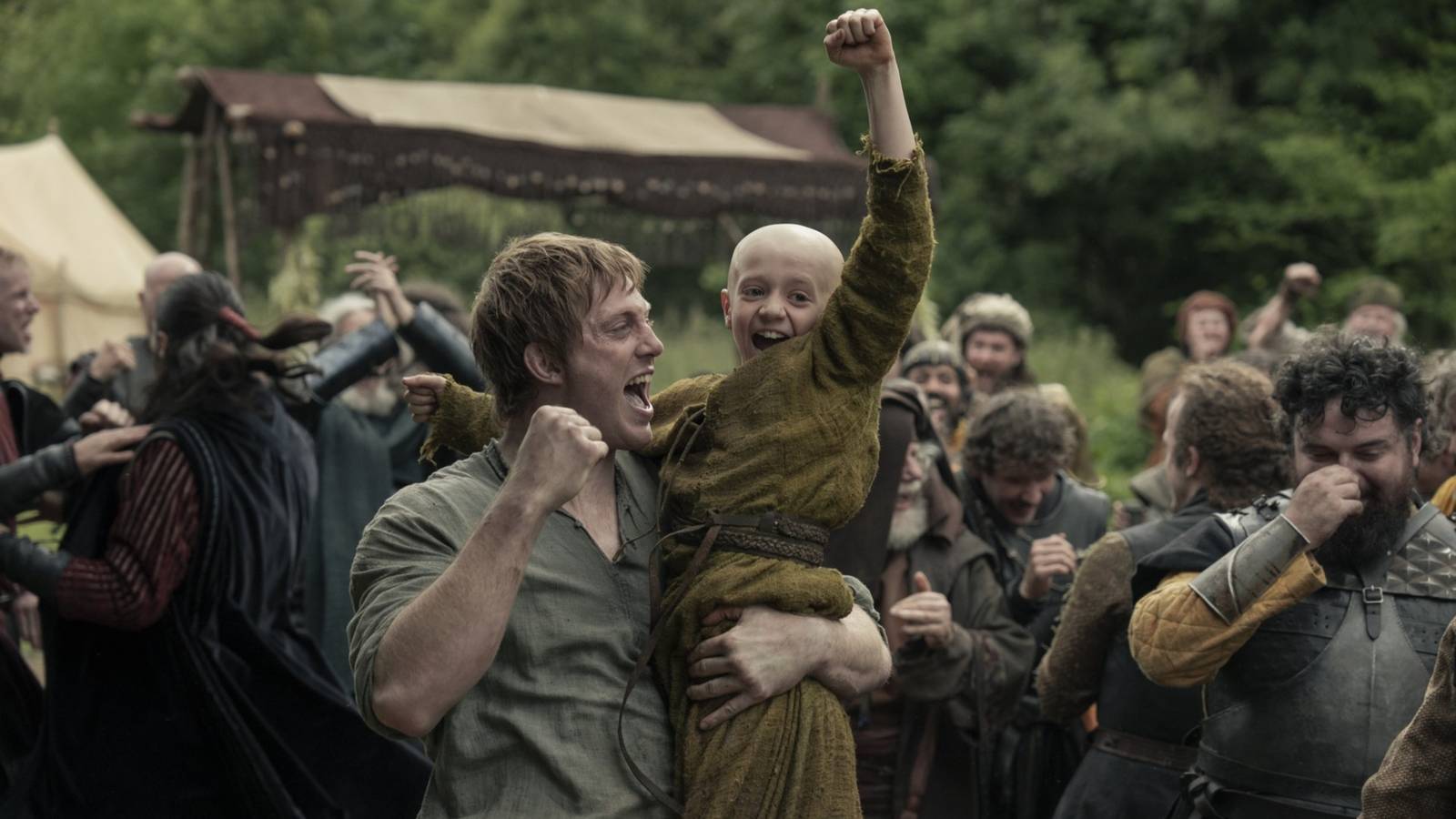
With A Knight of the Seven Kingdoms, author George R.R. Martin builds an entire series around one of the most iconic templates from his Game of Thrones series: Arya and The Hound’s lone wolf-and-cub dynamic. The prequel novella The Hedge Knight and its new HBO adaptation follow Ser Dunk the Tall (Peter Claffey) and his squire Egg (Dexter Sol Ansell) as they stumble through misadventures and wrestle with what it truly means to be a great knight in a corrupt Westeros.
When the Game of Thrones show first introduced Arya and The Hound, the two stood out in a pop-culture climate already steeped in similar setups. Duos defined by a gruff protector and a vulnerable companion appeared in Logan, The Last of Us, The Witcher, and many more movies and shows, part of a long lineage reaching back to Kazuo Koike’s influential trope-namer manga series Lone Wolf and Cub. The trope reached a new peak with The Mandalorian and its breakout star, Grogu (affectionately, “Baby Yoda”), which captured the essence of lone wolf-and-cub storytelling: a reluctant guardian doing everything to shield a younger, cuter partner from harm.
Yet as Grogu’s cuteness (and merchandise frenzy) dominated the series, the dynamic began to lose its charm. Grogu often had little agency, functioning more as a plot device than a fully realized character. A Knight of the Seven Kingdoms sidesteps this pitfall. Like Arya, Dunk makes meaningful decisions, even when he’s being steered by powerful people beyond his control, or swept along by fate. And the story never revolves solely around Egg, preserving the depth and balance that made the original dynamic so compelling.
[Ed. note: Spoilers ahead for A Knight of the Seven Kingdoms episode 3, “The Squire.”]
While Egg arguably has more power and a more central place in the Game of Thrones story as future King of Westeros Aegon V Targaryen, Dunk is firmly the engine of A Knight of the Seven Kingdoms, with his knightly ambitions driving the plot forward. He isn’t escorting Egg to the Targaryens, or secretly serving their interests as he and Egg wander from adventure to adventure. Dunk is simply acting as a knight, and Egg is his squire, meant to be shaped by hardship, discipline, and a good example. Under Dunk’s guidance, Egg’s best qualities are preserved — qualities that would likely be smothered within his own family, condemning Westeros to suffer under yet another Targaryen burdened by inherited hangups.
Much like The Hound and Arya’s pairing, what makes Dunk and Egg so compelling is the way they play off each other. While we want The Hound and Dunk to always be there to protect their younger partners, Arya and Egg are far from helpless or merely lucky. Both are cunning and remarkably bold for their age, maybe even more so than their elders. Arya, in particular, is more capable and brutal than most adults, due to her violent upbringing. Egg, while not as dark as Arya, is still capable of killing, and does not shy away from it.
By contrast, when Grogu is in danger and The Mandalorian cannot intervene, the outcome is rarely in doubt. Grogu’s tremendous Force power is usually enough to resolve the threat. These moments offer little character development for Grogu. We are never shown how these experiences shape him, beyond what The Mandalorian interprets. Grogu’s choices ultimately affect The Mandalorian far more than they affect Grogu himself.

The one moment in the entire series where Grogu is given a choice that could have meaningfully altered the story comes when Luke Skywalker takes him away for Jedi training. Season 2 ends on a cliffhanger, but season 3 resumes as if that decision never happened, offering no reflection on how it affected either Grogu or The Mandalorian. Instead, those consequences are pushed into another series, The Book of Boba Fett. While the necessary emotional beats are present, they barely disrupt the status quo of The Mandalorian itself.
The stakes could shift with The Mandalorian and Grogu when it hits theaters in May. Grogu’s name being front and center suggests a bigger role, and ideally, a real character arc beyond the surface-level development we’ve seen so far. But Game of Thrones already cracked this formula, and now the franchise is refining it with A Knight of the Seven Kingdoms. Star Wars has had nearly 50 years to refine its character dynamics, but the Game of Thrones franchise feels more structurally confident. George R.R. Martin and the writers of these shows know what they do best and lean into it, whether that means warring houses and dragons in the sky, or a smaller, more intimate story built around a lone knight and his cub.