







Set amid the breathtaking Western Ghats, Munnar has long been celebrated as one of India’s most enchanting hill destinations. With its sweeping tea plantations, mist-covered mountains, and tranquil charm, it offers a refreshing contrast to the fast pace of everyday life. For travellers seeking scenic beauty, rich culture, and restorative calm, this hillside retreat stands in a league of its own. It is little wonder that many consider Munnar in Kerala an essential addition to any travel bucket list. From its lush greenery to its fascinating heritage and extraordinary biodiversity, the region offers experiences that stay with visitors long after they have returned home.
A Haven of Green Serenity
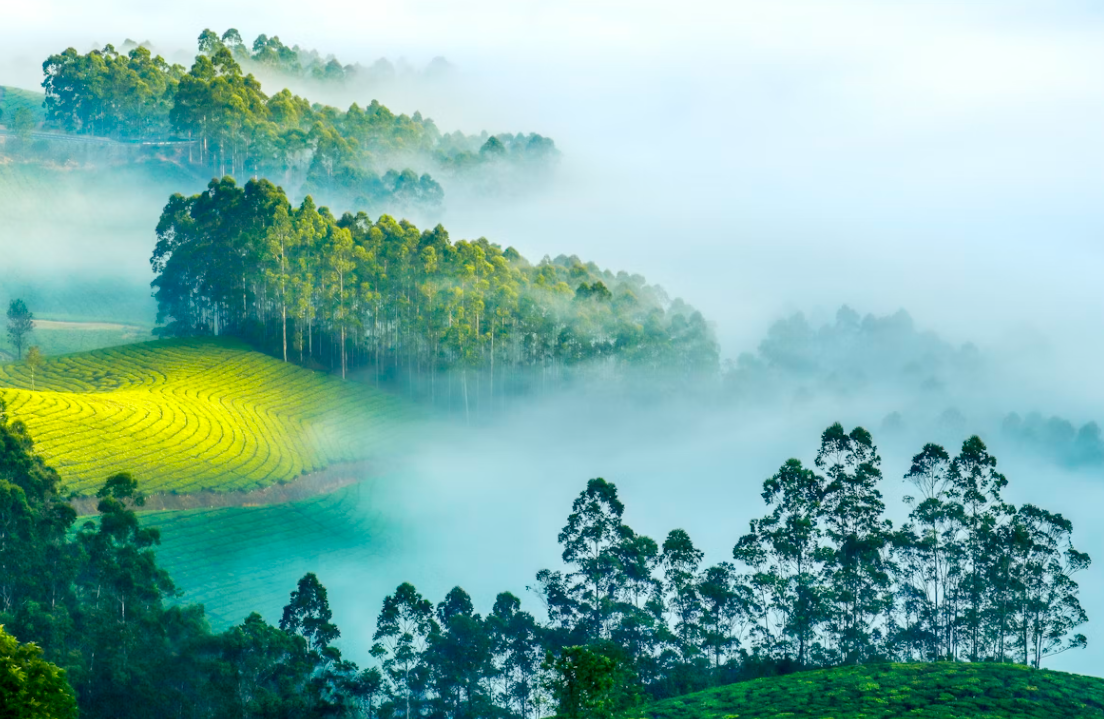
The moment travellers approach the region, they are greeted by a landscape that feels almost dreamlike. Rolling hills stretch across the horizon, blanketed in endless rows of emerald tea plantations that shimmer under the shifting sunlight. The air is cooler, fresher, and fragranced with the scent of leaves and mountain winds. This natural tranquillity is one of the region’s greatest gifts. Visitors often remark on the immediate sense of peace that washes over them, offering a welcome escape from the noise and rush of urban life.
The undulating terrain, dotted with valleys and hilltops, creates a horizon that changes with every turn. As clouds drift across the mountains, the scenery undergoes a subtle transformation, revealing new colours and contours. Mist often settles gently over the plantations, creating a soft, enchanting ambience that makes the region a photographer’s paradise. Whether one is an avid nature lover or a casual traveller seeking rest, this soothing environment provides the perfect backdrop for reflection and renewal.
Home to Some of the World’s Most Beautiful Tea Gardens
Munnar’s identity is deeply rooted in its tea heritage. The region is home to some of the highest and oldest tea plantations in the world, many of which date back to the British colonial period. These plantations are not just visually striking—they form an integral part of the area’s social, cultural, and economic story.
Travellers who explore these estates often choose guided tours that reveal the fascinating world of tea cultivation. From plucking the leaves to processing them in age-old factories, the journey offers a glimpse into the craftsmanship behind every cup of tea. The Tata Tea Museum is a particularly popular stop, where visitors can trace the history of tea, view antique machinery, and learn about the evolution of plantation life.
Walking through the plantations is a highlight for many visitors. The neatly trimmed tea bushes, arranged in symmetrical patterns along the slopes, create a sense of harmony and balance. The gentle quiet of the gardens, occasionally interrupted by birdsong or distant chatter, makes every stroll a meditative experience. This connection to nature, amplified by the soothing rhythm of plantation life, is one of the reasons the region stands out as a must-visit destination.
A Sanctuary of Rare Wildlife and Biodiversity
The region forms part of the Western Ghats, one of the world’s most important biodiversity hotspots. As such, it is home to a remarkable range of flora and fauna, many of which are endemic. For travellers with an appreciation for wildlife or ecological richness, this makes the area especially appealing.
Eravikulam National Park is one of the crown jewels of the region. Famous for conserving the endangered Nilgiri tahr, the park spans a vast high-altitude plateau that offers extraordinary scenery and the chance to spot these sure-footed mountain animals in their natural habitat. The park is also home to an array of bird species, butterflies, and unique plants.
Another natural wonder found in the region is the Neelakurinji flower. This breathtaking plant blooms only once every twelve years, carpeting the hillsides in a sea of purplish-blue blossoms. Although rare, the phenomenon draws thousands of visitors when it occurs, turning the hills into a visual spectacle that feels almost otherworldly.
Nearby, Chinnar Wildlife Sanctuary adds another layer to the region’s ecological richness. Known for its diverse habitats—from thorny scrubland to riverine forests—it is a haven for species such as the grizzled giant squirrel, spotted deer, peacocks, and even the occasional leopard. This blend of protected landscapes highlights the area’s commitment to conservation and its role in maintaining the region’s natural balance.
A Scenic Playground for Adventure Lovers
Beyond its serene atmosphere, Munnar offers plenty of opportunities for outdoor adventure and exploration. The region’s topography, marked by hills, valleys, and winding trails, makes it ideal for trekking, hiking, and long, leisurely walks.
Anamudi Peak, the highest mountain in South India, offers one of the most rewarding trekking experiences in the region. While access to the peak itself is regulated to protect its fragile ecosystem, the surrounding terrain provides ample opportunities for scenic hikes with breathtaking views.
The hill station is also dotted with numerous vantage points that provide unforgettable panoramas. Top Station, perched at an elevated point along the state border, offers sweeping views of the neighbouring plains. On clear days, the sky meets the horizon in a dramatic display of colours, making it a favourite sunrise and sunset spot.
Meanwhile, areas such as Echo Point and Photo Point offer charming viewpoints where nature and curiosity come together. Echo Point, with its natural echo phenomenon, adds a playful touch to the landscape, while Photo Point lives up to its name with its postcard-perfect scenery.
The region’s lakes and reservoirs also offer leisure activities. At Mattupetty Dam, travellers can enjoy a boat ride while taking in views of the surrounding hills. Kundala Lake, with its calm waters and eucalyptus groves, provides a serene setting ideal for a slow, reflective visit.
Rich Culture and Heartfelt Hospitality
Beyond its natural beauty, the region’s cultural warmth is another compelling reason it deserves a place on every traveller’s bucket list. The local communities, influenced by Kerala’s traditions, bring a sense of authenticity and charm to the region.
Markets brimming with spices, handcrafted goods, homemade chocolates, and aromatic oils offer visitors an opportunity to discover local flavours. The vibrant colours, lively conversations, and the smell of fresh produce create an immersive cultural experience.
The region’s cuisine showcases Kerala’s culinary richness. Dishes made with coconut, locally sourced vegetables, and fresh spices provide a wholesome and comforting meal after a day of exploration. Traditional eateries and small cafés alike serve meals that reflect the area’s agricultural roots and cultural identity.
Visitors also encounter traditional festivals and ceremonies that give insight into local life. Temple processions, dance performances, and seasonal celebrations highlight the region’s deep-rooted customs and communal spirit. It is this blend of nature and culture that gives the area its unforgettable charm.
A Peaceful Escape for Every Kind of Traveller
One of the reasons Munnar appeals to such a wide range of visitors is its versatility. For couples seeking a romantic getaway, the misty hills and lush scenery provide an idyllic setting. Families appreciate the calm environment, gentle activities, and range of sightseeing options suitable for all ages.
Solo travellers find the region especially inviting due to its peaceful surroundings and friendly community. Many describe the area as a place where they can disconnect from routine, reconnect with nature, and tap into a sense of inner calm. The gentle pace of life, combined with the natural elegance of the landscape, creates a sanctuary that feels timeless.
Adventure seekers, meanwhile, are drawn to the region’s rugged trails, climbing routes, and scenic off-road experiences. Whether one seeks tranquillity, excitement, or cultural immersion, the region offers a well-rounded experience that caters to diverse travel styles.
A Commitment to Nature-Friendly Tourism
As Munnar’s popularity continues to grow, sustainability has become an integral part of the region’s tourism ethos. Local authorities and communities have worked together to ensure that development does not threaten the area’s fragile ecosystems.
Visitors are encouraged to respect wildlife habitats, reduce waste, and support eco-friendly businesses. Many accommodation providers have embraced green practices, including energy conservation, recycling, and waste management. This collective effort aims to preserve the region’s beauty for future generations while allowing travellers to enjoy its landscapes responsibly.
The emphasis on sustainability has also encouraged travellers to explore lesser-known locations within the region, reducing pressure on the most popular sites and spreading tourism benefits more evenly across local communities.
A Destination That Creates Lasting Memories
What sets Munnar apart from other hill destinations is the emotional impact it leaves on its visitors. The calming atmosphere, the scent of tea leaves, the gentle mist, and the vibrant greenery all contribute to a sense of serenity that lingers long after the journey ends. Many travellers return not just for sightseeing but for the feeling the region evokes—a sense of grounding, comfort, and connection.
Each corner of the hill station offers something memorable. Whether it’s watching the sunrise over tea-covered hills, strolling through quiet plantations, spotting wildlife in its natural habitat, or simply inhaling the crisp mountain air, visitors often find moments that stay with them for years.
Why It Belongs on Every Traveller’s Bucket List
In a world filled with fast-paced lifestyles and digital distractions, the region offers an oasis where time seems to slow. Its pristine landscapes, cultural warmth, rich biodiversity, and rejuvenating atmosphere combine to create a destination that feels both magical and restorative.
For travellers seeking a place that embodies natural beauty, peaceful living, and unforgettable experiences, Munnar in Kerala undoubtedly earns its place on every bucket list. It is more than just a location—it is a journey into tranquillity, a celebration of nature, and an invitation to rediscover what it means to breathe, reflect, and simply be.