
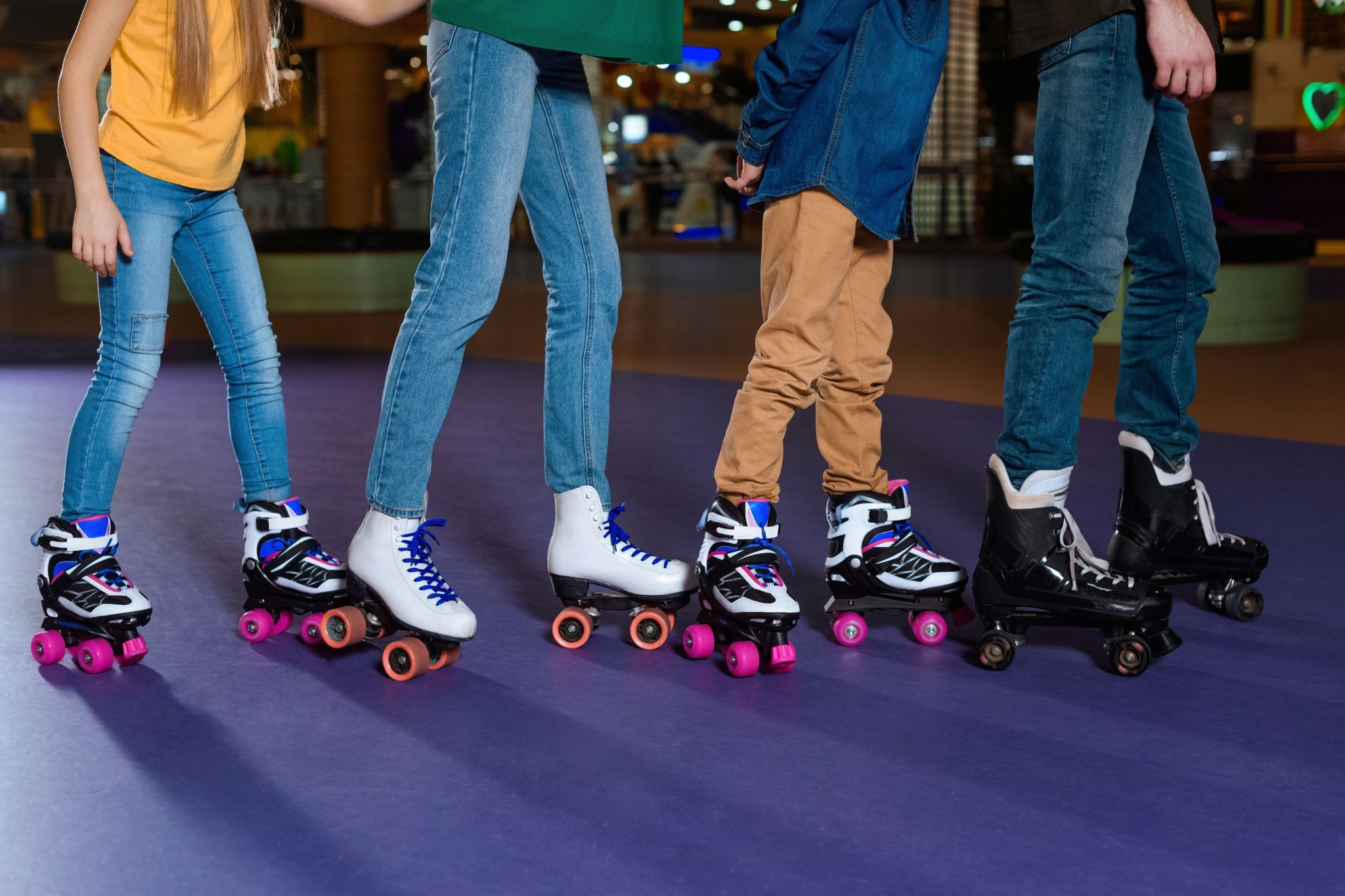

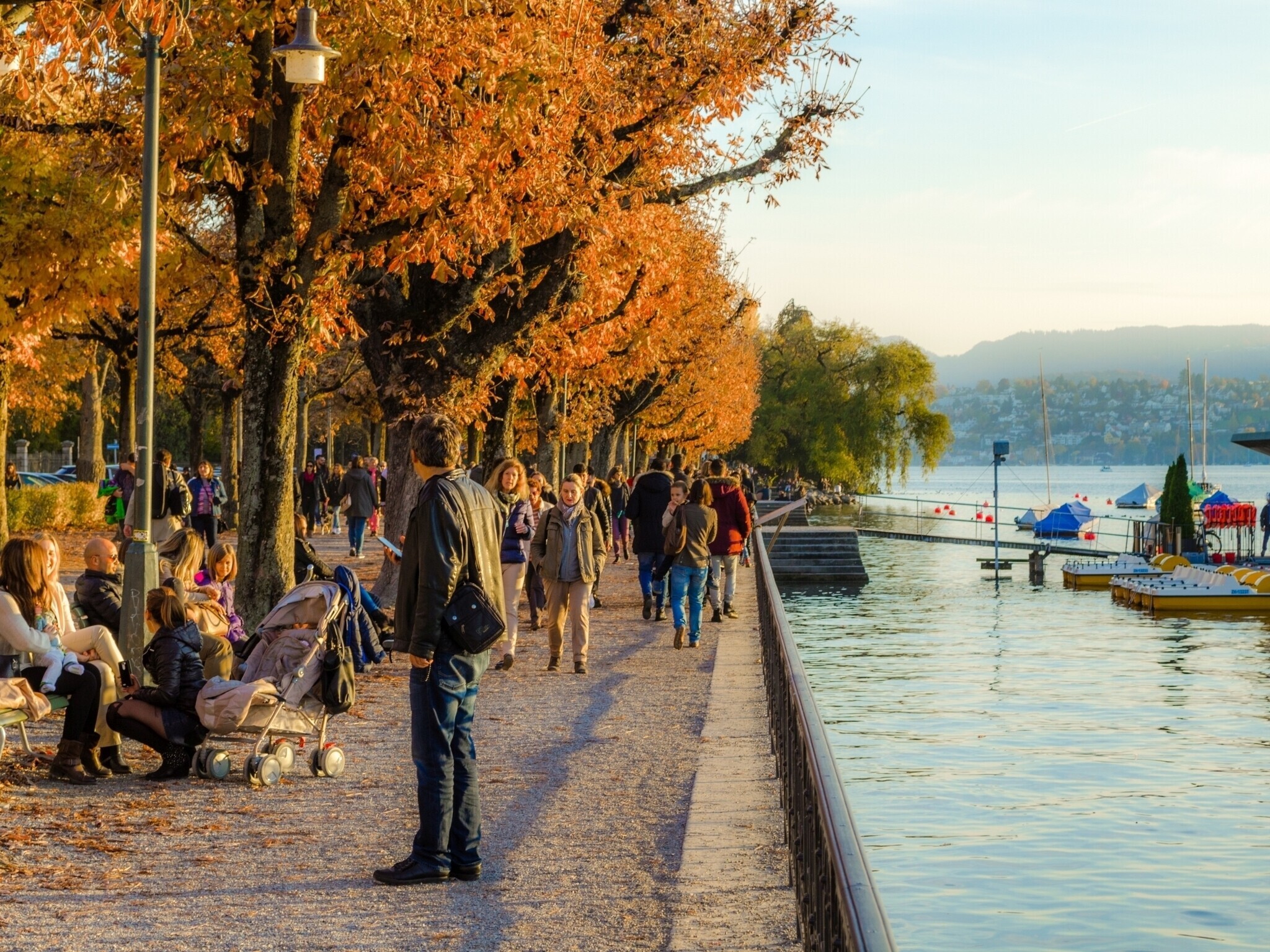





Teenage interest should be a barometer by which we measure the effectiveness of all playground design. Teens aren’t easy to please: if they think a playground is fun, so will everyone else.Jose F. Moreno/The Associated Press
When my boys were little, there was one playground that they always loved to visit.
It had a tall pyramidal climbing structure made of thick rope netting that offered just the right amount of challenge. My kids started close to the ground, balancing on the swaying ropes. As their confidence grew, they scrambled higher, sometimes falling through the gaps to the bouncy turf below. But eventually, they made it to the top and proclaimed victory.
That climbing structure was a great addition to an otherwise boring playground that resembled all the other ones in town – stationary, static, made from garishly coloured plastic – but they outgrew it over time.
Sadly, there was nothing to replace it. Apart from a skate park and some sports facilities, no other play structures exist in our community that cater to the interests and capabilities of kids over 10. There are hardly any places where teenagers can hang out that don’t require money or membership. It’s as if urban planners assume that adolescents don’t want to play any more, which is not true.
The older my children get, the more I understand what Pulitzer Prize-winning architecture critic Alexandra Lange meant when she said: “A lot of design is hostile to teens.” There are few places for them to gather away from adult surveillance. There is a lack of welcoming “third places,” those informal, neutral environments that are neither home nor work, and foster serendipitous encounters.
Opinion: Stop tracking your kid’s every move. It’s bad for both of you
When teens venture into the world without a defined purpose, they are often met with disapproval. Their presence seems to detract from other people’s enjoyment of a space. Parents of young children get annoyed when loud teenagers use play equipment in unorthodox ways. Shop owners shoo them away, assuming they won’t spend money, or they might shoplift, or could scare away wary adults.
Being a teenager is already hard enough, and society doesn’t help by treating them as an invisible demographic – one whose social and physical needs are rarely taken into consideration or deemed worthy of public investment. Worse yet, those needs are often viewed as inconvenient or aberrant.
We fret about the adolescent mental health crisis and how isolated and sedentary young people are these days, but is it any wonder that so many retreat to online worlds dominated by social media and video games? Truly, what do we want them to do? Where are they supposed to go?
The solution I propose is to build more sophisticated playgrounds. Call them hangout zones, if you prefer, but the idea is to give teens an appealing place where they can get outside, meet others face-to-face in a non-consumerist setting, and move their bodies in ways that range from easy to challenging.
This doesn’t require a major cultural shift or more land; existing playgrounds could be upgraded. Teenage interest should be a barometer by which we measure the effectiveness of all playground design. Teens aren’t easy to please: if they think a playground is fun, so will everyone else.
Opinion: Financial lessons to instill this fall with your teenager
In her writing, Lange offers examples of successful teen-friendly playgrounds. One is the Anna C. Verna playground in Philadelphia’s FDR Park. It boasts North America’s largest swing set, a massive ellipse-shaped structure with 20 swings. People can face each other while swinging. Many of the swings can be used by multiple people at the same time, allowing for interaction. There’s even an overhead seesaw.
Gathering Place, a park in Tulsa, Okla., has a 16-foot-tall swing set. Its designer told Lange that teens enjoy figuring out how to use the unusual set-up, while even adults flock to the park’s zip line. Tom Lee Park in Memphis, Tenn., has conversation benches and a timber shade canopy over basketball courts that overlook the Mississippi River – an open invitation to teens.
For parents concerned that younger children might hurt themselves on a more adventurous play structure, that is indeed a risk, but little ones are often better at self-regulation than we anticipate. They learn through vicarious play, watching older kids do edgy things. Trade-offs are inevitable. More physical risk for a young child might buffer an older one from online harms. Both kids deserve protection; it should not be an either-or situation, where teens’ well-being is sacrificed for toddlers’ safety. Surely, we can find a way to support kids of all ages.
Urban design is powerful. The spaces we inhabit shape us. We cannot neglect the needs of an entire demographic of our population, particularly one that is undergoing a critical developmental period and is collectively suffering from too much lonely, sedentary screen-time. If we are serious about helping teenagers to flourish, we should be scrambling to build stimulating play spaces that provide them with as much challenge and delight as that climbing structure offered my little ones, so long ago.