







The Damned built its name on fast, loud punk rock, but one of the band’s most unusual songs went in a very different direction.
Released in 1980, “Curtain Call” runs for 17 minutes and 13 seconds and stands apart from much of the music that made the London band famous.
The song appeared on The Black Album, The Damned’s fourth studio album, released on Nov. 3, 1980. “Curtain Call” was so long that it filled the entire third side of the original double album.
More than four decades later, the song remains a divisive part of The Damned’s catalog. Some listeners see it as one of punk rock’s most ambitious long-form tracks, while others view it as a major step away from the sound that first defined the band. Its mix of psychedelic rock, gothic moods, unusual effects, and long instrumental passages made it very different from the short, hard-driving punk songs associated with The Damned’s early years.
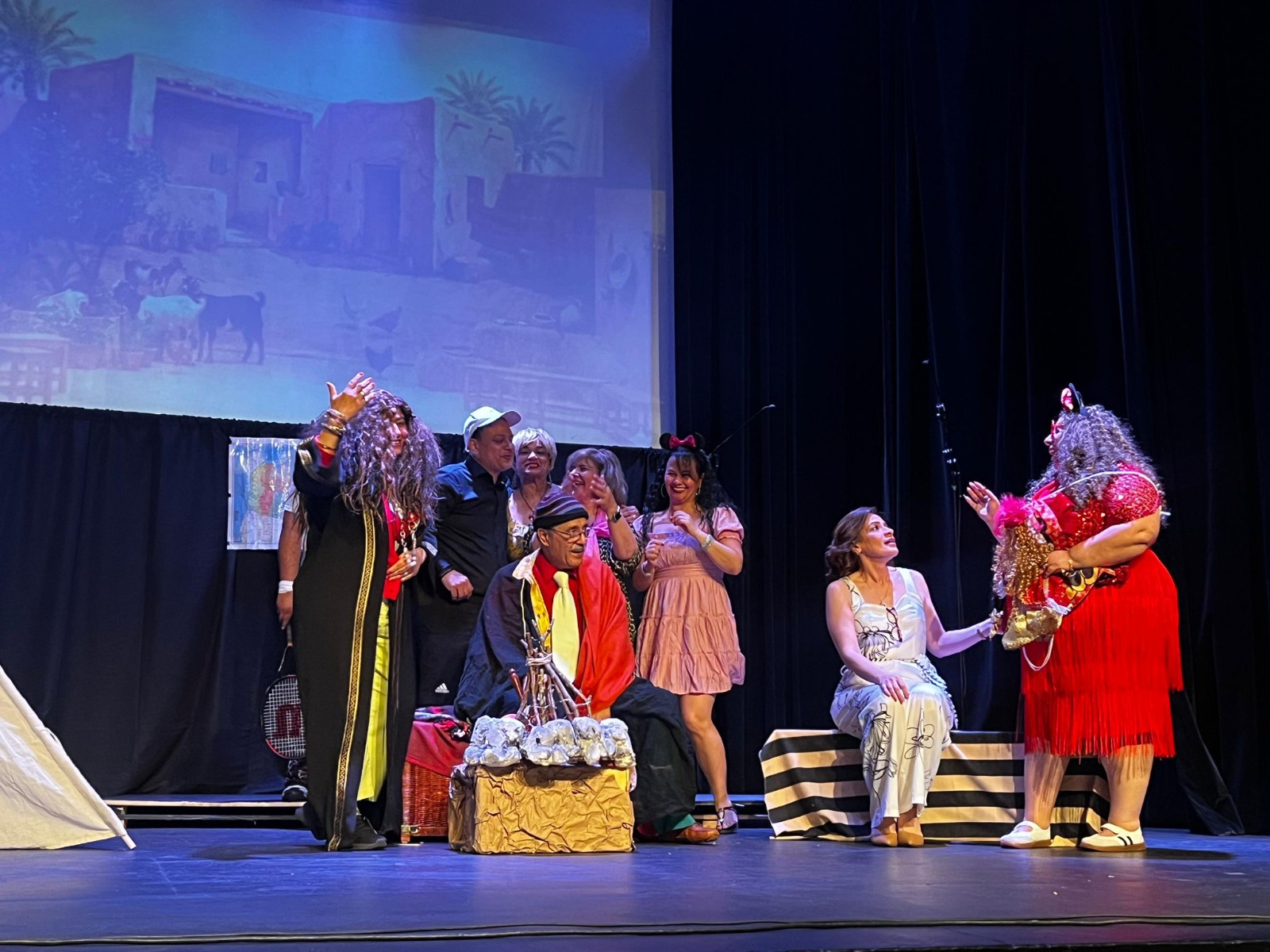
Photo by Jorgen Angel/Redferns
The track also showed where the band’s music was heading. While The Damned came from London’s first wave of punk, The Black Album expanded its sound and opened the door to the darker and more theatrical style the group would explore further in the years that followed.
The Damned formed in London in 1976 and became one of the most important early British punk bands. The group released “New Rose,” widely recognized as the first single released by a U.K. punk band, before putting out the 1977 album Damned Damned Damned.
By 1980, however, the band was already exploring new musical ideas. The Black Album included punk, psychedelic rock, theatrical moments and darker sounds. “Curtain Call” became the clearest example of that change.
Goldmine described the song as a mix of gothic and psychedelic rock, with effects and changing sections that make it feel closer to a long musical journey than a traditional punk song. Its structure also gave lead singer Dave Vanian room to use the dark vocal style that would later become closely connected to The Damned’s gothic image.
The difference between “Curtain Call” and the band’s earlier work is part of what made the song controversial. The Damned had already faced criticism from some people in the punk scene, who saw the group as more theatrical and less political than other major acts of the era.
That debate followed the band as its sound changed.
For some, “Curtain Call” proved that The Damned could move beyond the limits of traditional punk. For others, it raised the question of whether the band was leaving the genre behind.
The song has been described as either one of punk rock’s greatest achievements or The Damned’s final major flirtation with the genre that helped launch its career.
The unusual sound of “Curtain Call” did not come only from punk or horror-inspired music. According to Dave Vanian, classical music and film soundtracks also played an important role in shaping the song.
According to Far Out Magazine, Vanian explained to Mojo, “I was more into classical music and film soundtracks, where the music moves and is about emotions. ‘Curtain Call’ took ages.”
That influence helped explain why the song developed differently from a standard three-minute rock track.
Vanian also shared how an old instrument helped create the beginning of the piece. He said, “I had bought a harmonium for £49 when I lived in a basement flat in Islington. It used to creak and groan, and I’d put a microphone in the back of it and tape it. That became the first part, then Captain [Sensible] added his guitar lines.”
The song continued to grow as The Damned worked on it.
Vanian recalled, “Every time we did any demos, we’d write another bit. I saw it unfolding like a movie. Before we knew it, it was 18 minutes long.”
The Damned would continue moving toward gothic rock during the 1980s, releasing albums such as Phantasmagoria and Anything. In an interview with The Guardian, members of the band acknowledged that they would always be known as “punk band the Damned,” despite the group’s long move beyond a strictly punk sound.
Related: 1977 Hit Song, Written in Secret Studio in California, Ranked Among ‘Best Rock Songs’ of All Time