


![24th Jul: Musafir Cafe (2026), 8 Episodes [TV-14] (6/10)](https://occ-0-1081-999.1.nflxso.net/dnm/api/v6/0Qzqdxw-HG1AiOKLWWPsFOUDA2E/AAAABWpZ_omqsWqubv_Qe_SsPq0-faFfs7iHBZYXk3jeyD9Xt4xcOVRO7QuJ2Hvo_l4F_U5lYxU3ejlIC-WhceKf3jPQ2EK8NGBCJvUX8kZbnfHv7B6_8cvaeSm6Lf3AmwWX8_oUaTbnDwtovbwYw0dhdqtyqX5aaPVnNeOCa8rjo_JIfg.jpg?r=7ea "24th Jul: Musafir Cafe (2026), 8 Episodes [TV-14] (6/10)")



Some of the very best fantasy stories begin with a simple question: What if there was another world hiding beneath our own?
Sometimes kids crawl through a wardrobe and wind up meeting a talking lion, like in The Chronicles of Narnia. Or maybe there’s an impossible train platform like in Harry Potter. Even a rundown bathhouse can be a world of wonder in the case of Hayao Miyazaki’s Spirited Away. That’s the brilliance of fantasy: it leaves open the possibility that something larger-than-life is lurking just beneath the surface of our waking world. What’s really between those towering glass buildings, beneath grimy subway stations, or maybe even under the floorboards of our own homes?
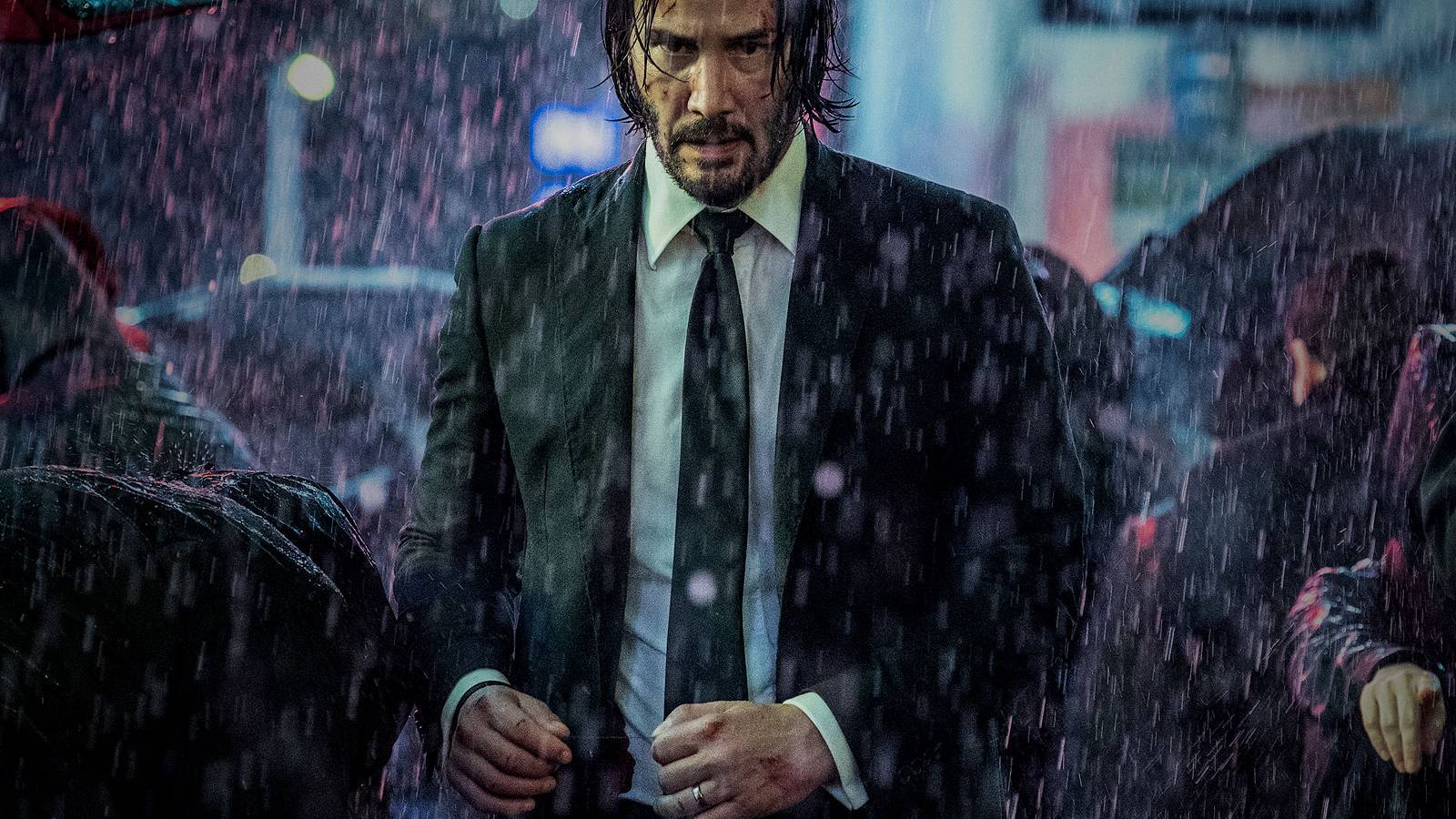
If any actor knows this paradigm all too well, it’s Keanu Reeves. You’d be surprised how many of the action star’s movies are set in pseudo-fantasy worlds. Whether he’s purging unseen evil across the streets of Los Angeles in Constantine or igniting a revolution over the invisible digital world in The Matrix, Reeves is surprisingly accustomed to navigating hidden worlds amidst the backdrop of ordinary reality. But there’s something about John Wick that’s far more compelling than the rest, and you’ll want to experience it before all four movies leave HBO Max on July 31.
Directed by Chad Stahelski, the John Wick series is simultaneously one of the best action franchises and fantasy worlds of the last decade. Stahelski didn’t just build a playground for impeccably choreographed gunfights. Across four films, he quietly created one of modern cinema’s richest fantasy escapes, where magic has been replaced by ritual, kingdoms by crime syndicates, and enchanted relics by gold coins.
It’s easy to overlook because the movies wear the bulletproof clothes of an action franchise. Reeves reloads with mechanical precision. Every fight is grounded in painstaking choreography rather than impossible superhero spectacle. There are no monsters, no spells, and no mythical creatures waiting around the next corner. But plenty of fantasy has never been defined by dragons and magic. It’s defined by mythology, rules, and the feeling that an invisible society has existed for centuries before the audience ever arrived.
That’s exactly what John Wick offers beyond the high-octane murder sprees. Assassins speak in codes that sound closer to sacred vows than casual conversation. Blood debts are carried through ornate markers that function almost like cursed artifacts, binding people to inescapable promises. The Continental hotel isn’t simply a place people stay for the night; it’s a sanctuary, protected by laws so absolute that breaking them carries consequences more severe than death. Above it all sits the High Table, a council whose authority feels less like organized crime and more like an immortal royal court governing kingdoms scattered across the globe.
The genius of Stahelski’s direction is that he rarely explains any of it. Instead of pausing to deliver pages of exposition, each film drops the audience into this hidden civilization and trusts viewers to piece together its customs together as they unfold. Every concierge, tailor, doctor, and switchboard operator behaves as though these traditions are perfectly ordinary, serving the role of fantasy merchants with their odd wares and potions. Only in John Wick do they deal in bullets and guns. The result is a world that feels impossibly old, as if these institutions have been quietly operating beneath our own society for hundreds of years.
That’s a hallmark of great fantasy. The world should feel larger than the story you’re watching. And each sequel widens that horizon without ever breaking the illusion. John Wick 2 reveals that these customs stretch far beyond New York, treating Rome like the political heart of an empire. Parabellum ventures into the Moroccan desert in search of a figure who resembles a mythic ruler more than a mob boss. By the fourth, Osaka, Berlin, Paris, and New York all feel like distinct kingdoms connected by the same ancient laws, each with its own guardians, traditions, and politics.
The action becomes even more compelling because of that structure. Without the mythology, the John Wick films may well still stand among the finest examples of modern stunt work. Stahelski’s background as a stunt coordinator is evident in every uninterrupted fight, carefully staged shootout, and sequence that prioritizes spatial awareness and physical performance over frantic editing.

The underlying fantasy of it all gives those fights purpose. Throughout each new film, John isn’t simply surviving another assassination attempt, but violating a sacred set of laws that feel almost as old as time itself. John stands out as a fantastical character himself, the aptly named “Baba Yaga” of Slavic folklore. He challenges rulers, crosses invisible borders between rival territories, and consistently survives situations that no mortal should walk away from. That elevates him to an almost mythical status, like if Gandalf or Obi-Wan Kenobi had been trained hitmen instead of bearded wizards. His journey follows the structure of a wandering knight moving from kingdom to kingdom, earning allies, making enemies, and confronting increasingly powerful figures until there’s nowhere left to climb except the throne itself — or finally into a coffin.
That’s why so many action movies have successfully copied John Wick’s choreography but failed to capture what makes the series feel so distinctive, because the gun-fu is only half the equation. Strip away the hidden economy, the rituals, the mythology, and the centuries-old institutions, and you’re left with expertly staged action that’s similar to something like The Expendables and Fast & Furious instead of a world that feels tangible.
That’s also why these four movies are worth revisiting before they leave HBO Max at the end of the month. They’re easy to underestimate. It’s tempting to remember them for the headshots, the neon lighting, or Keanu Reeves’ relentless physical performance (and the way he says his signature line, “Yeah.”). Yet the greatest achievement of the John Wick films isn’t reinventing the action movie. It’s disguising one of the best fantasy franchises of the last decade as one.
Once you see the gold coins as enchanted currency, the Continentals as castles, and the High Table as a royal court, it’s hard to see the series as anything else.
All four John Wick films are streaming on HBO Max