








As a child of the 90s, it’s probably no surprise to hear that I have a fondness for a specific era of 2D platformers. Even today, I love opening up Nintendo Switch Online’s Super NES catalogue and jumping into a game I missed as a kid to experience the sights, sounds, and overall vibe of a game shaped by the ‘90s. That fondness seems to be shared by a lot of today’s game developers, considering that retro is all the rage right now. You don’t have to look far to find new games that pay homage to the golden age of the sidescroller, with even some of today’s biggest blockbuster game franchises looking back to the past for reinvention.
Thrilled as I am by that trend, it’s also one that has given me a new list of video game pet peeves to stew over lately. If you’re going to draw on the language of retro games, you’ve got to give me something more substantial than some nostalgic pixel art.
While I’ve felt some version of that gripe on and off for years, it has grown into a full-on grievance thanks to two recent releases. The first is God of War Sons of Sparta. The 2D Metroidvania certainly looked the part of an old-school game when it was first revealed during a PlayStation State of Play in February. Its debut trailer showed off a reimagined take on God of War that traded in 3D spectacle for 2D action and pixelated bloodshed. At a glance, it seemed like an ode to Golden Axe, full of shambling skeletons placed on God’s green Earth to be hacked and slashed.
That comparison was only skin deep. Sons of Sparta’s nostalgic visual style isn’t representative of the game itself, which instead adapts God of War’s modern ambitions to 2D. It’s still filled with swelling orchestral music, professional voice acting, and a bevy of RPG systems pulled right from God of War Ragnarök. It’s a perfectly fine action-adventure game, but I couldn’t help but feel a little misled by the packaging. The art style felt like a sepia-toned Instagram filter over a game that had little interest in the era it was evoking.
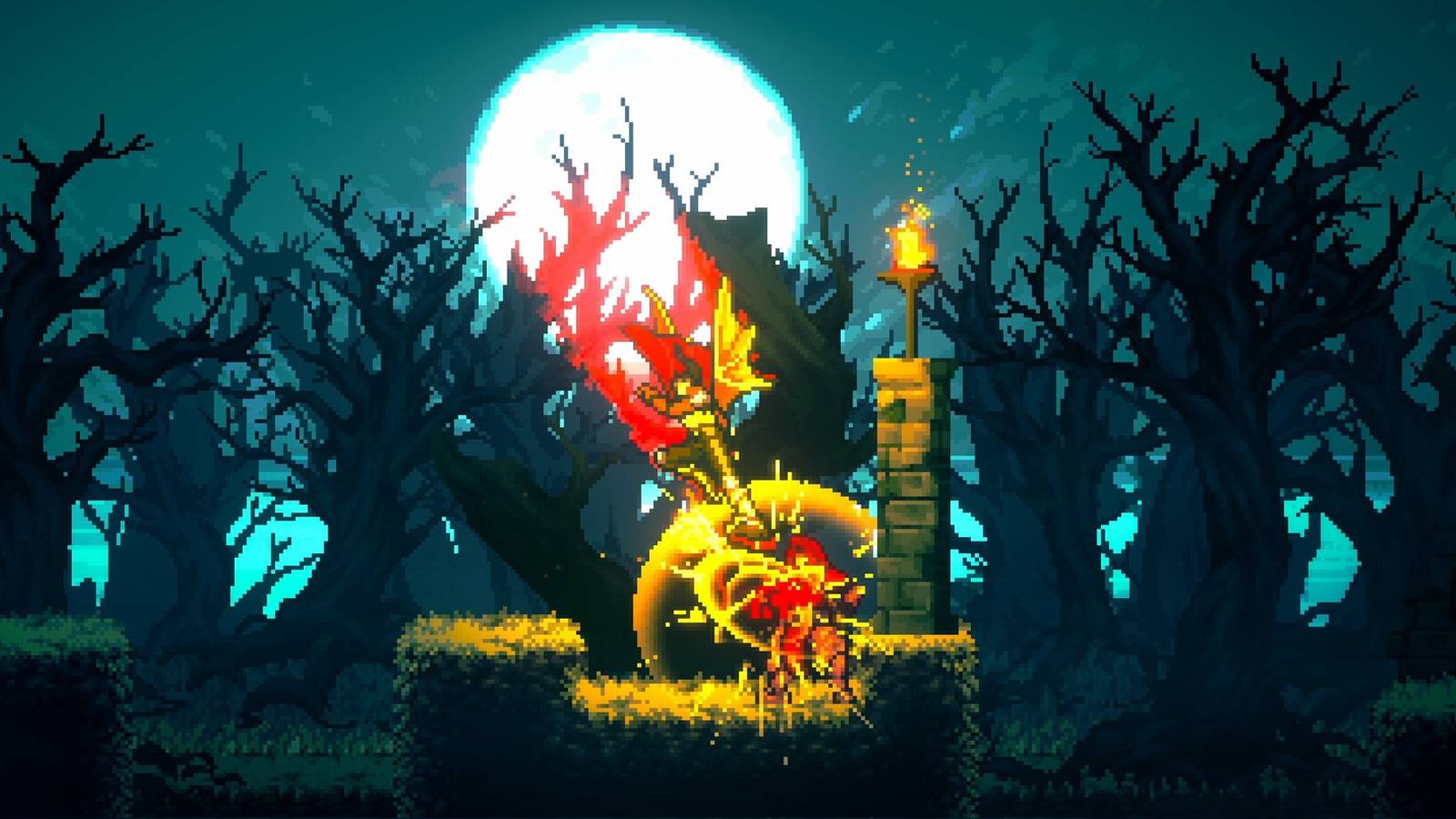
That feeling has hit me once again this week with Legacy of Kain: Ascendance. Developed by Bit Bot Media, this franchise revival calls back even more explicitly to the retro era with its thick pixel art. Unlike Sons of Sparta, Ascendance at least makes a genuine effort to feel like a classic sidescroller, playing more like Castlevania: Bloodlines than any Legacy of Kain game. Players guide vampiric antiheroes like Elaleth through sparsely designed 2D levels full of enemies that can be dispatched with simple slashes. There are a few extra twists to add more combat depth, like parrying and blood-sucking finishers, but it’s mostly a lot of walking right and slashing straight ahead. Nothing about its rudimentary design stands out, but it’s at least faithful to the era in its gameplay limitations.

Even there, Ascendance struggles with commitment. It’s backed by a grand orchestral score that’s out of step with the visuals and full of long, overwritten dialogue interludes that are fully voiced. The presentation is inconsistent throughout, and that makes for a faux-retro experience that never feels cohesive. The throwback action begins to feel thin and shoddy when placed up against booming metal and an overabundance of inscrutable lore.
The flaw of both Sons of Sparta and Ascendance is that they treat retro as a visual aesthetic rather than a full design philosophy. The greats of the SNES era aren’t just memorable because they’re pixelated. The way they sound, feel, and tell stories all work in tandem to create their unique atmosphere. There’s an art to creating mood and tension from synthesized instruments, just as there’s an art to building a world or telling a story through concise writing and animation. Ascendance communicates less through its deluge of bland dialogue than Super Metroid does with a few good keyframes.

Plenty of developers working today understand that. Last year’s excellent Terminator 2D: No Fate wears its ‘90s influences like a badge of honor, and the result is a truly transportive game. Storytelling handled through beautifully drawn interstitial cards and a blood-pumping synth soundtrack work together with the throwback pixel art to create something that feels like a long-lost game unearthed in 2025. It’s a delight to play, as it’s so easy to buy into its adherence to history and make you feel like a kid playing a SNES tie-in to a great movie you just saw. Tribute Games has also nailed down that art, with recent releases like Marvel Cosmic Invasion and Scott Pilgrim EX convincingly teleporting you to an arcade. By comparison, both Sons of Sparta and Ascendance lack a clear identity, and it leaves me lost between eras when I play them.
That’s not to say that games that draw on the classics can’t experiment with them. Last year’s Absolum successfully linked old-school beat-em-ups to modern roguelikes, drawing on the design language of both genres to create something entirely new. Invention often happens when developers mix and match influences to push well-trodden ideas forward. I don’t feel that in something like Ascendance. Instead, I’m left playing a vaguely nostalgic sidescroller where pixel art is a stand-in for substance. It’s a Halloween vampire that hastily tosses on a cloak before rushing out to a party. If you’re going to dress like a bloodsucker, at least remember to put some fangs on.