






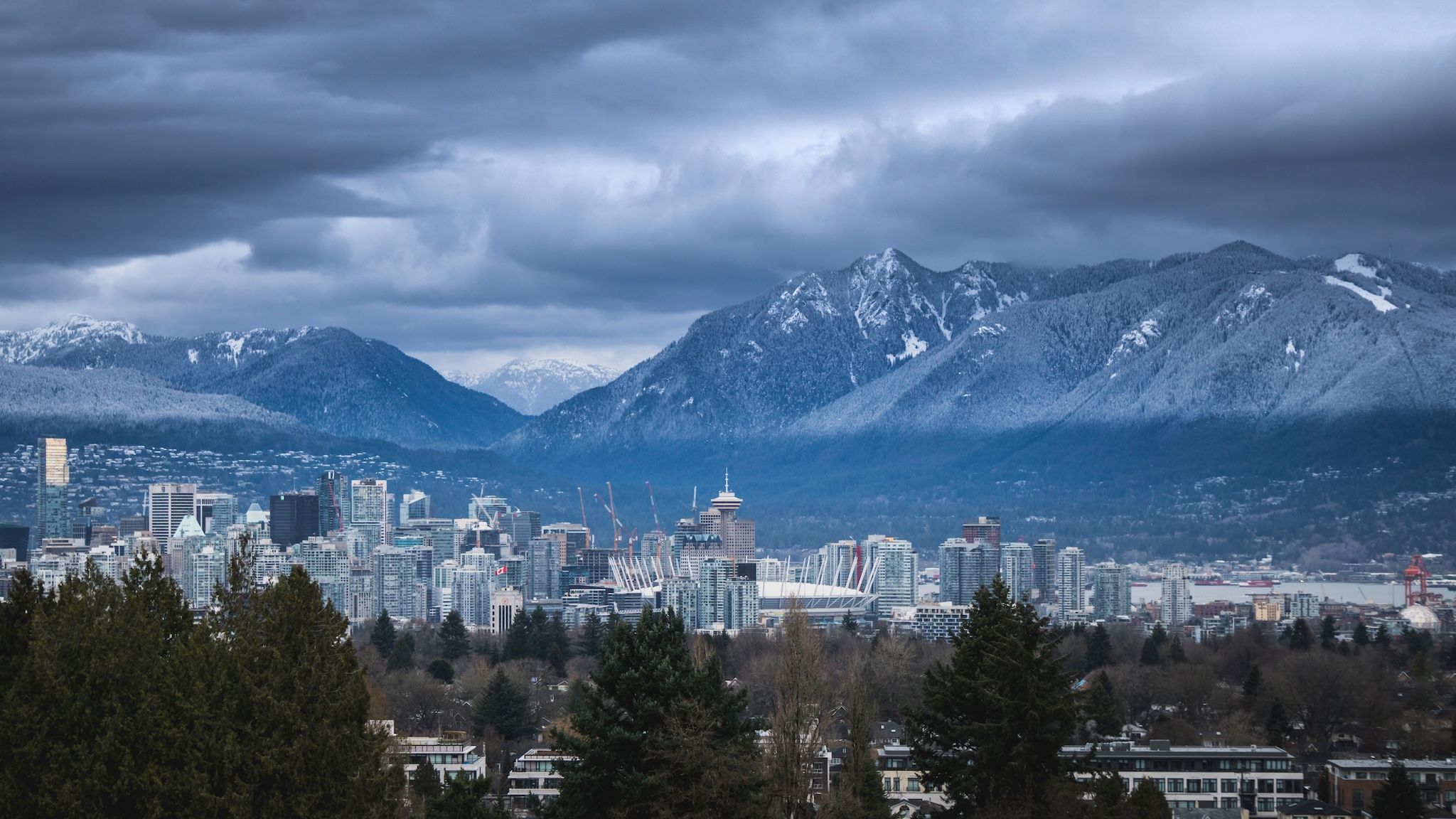
A new weather forecast reveals what we can expect B.C.’s winter to look like this year.
In 2025-2026, we saw an abnormally warm winter that shattered temperature records, likely due to climate change. This year, with a “super” El Niño on the way, we can expect another warm season, with experts even suggesting that global temperatures in 2027 will hit a new record.
OpenSnow, a U.S. based company that specializes in weather forecasts, snow reports, high-resolution weather maps, and ski conditions, recently published an early outlook for the season.
It looked at past seasons with super El Niños that had a close distribution of sea surface temperatures, other oceanic and atmospheric signals, and seasonal model data.
Due to El Niño, OpenSnow said that B.C. is favoured to have below-average snowfall across much of the province, because of warm temperatures and a “more southerly storm track.”
However, OpenSnow pointed out that some El Niño seasons “buck the trend,” and we have seen near-to-above-average snowfall in some parts of the province, like in 2015-2016.
What about for skiing and snowboarding?
OpenSnow provided a snapshot of snow conditions at some of the major ski resorts across the province, if you’re planning on a ski or snowboarding trip this year.
If you’re willing to pay the Whistler price tag, it’s not all bad news for that ski resort. OpenSnow said that its “mid-mountain plot has close to a neutral signal during strong El Niño winters.” However, the base area does see more rain than usual during El Niño seasons.
There’s also a chance that ski resorts in the interior might have decent snow.
“Occasionally, the Okanagan resorts (Big White, Sun Peaks, Silver Star) can do okay relative to average, as well as storms can swing up from the south during El Niño winters and bypass the typical rain shadow of the Coast Range,” wrote OpenSnow.
But other notable ski resorts on the “Powder Highway” (a circular road trip in the Kootenay region) typically have below-average snowfall during an El Niño winter. This includes ski resorts like Revelstoke, Kicking Horse, Whitewater, Red Mountain, and Fernie.
OpenSnow also provided a forecast on snow signals across the winter season, looking at historical analogues. While January has an above-average snow signal, December and February have a neutral signal, and November and March have a below-average snow signal.
What about the rest of Canada?
Even with 2025-2026 being “one of the worst snow seasons on record for the West,” more warm weather is on the way for Canada this year.
OpenSnow said that below-normal snowfall and above-average temperatures are favoured in much of Canada.
“While this temperature outlook for the West might seem ominous after last season, it’s important to point out that this outlook only shows whether above or below normal temperatures are favored, and does not necessarily mean ‘well above normal’ like what we saw in the West last season,” said OpenSnow.
The forecast company caveated that winter outlooks have “an inherent degree of uncertainty,” due to the fact that so many factors are not predictable months or weeks ahead of time.
If you’re curious about specific snow outlooks in other parts of North America, you can read the full post online.
Originally published on Daily Hive.
Recent posts:
This stunning B.C. island has some of the warmest waters north of Mexico
Everything to know about Vancouver’s first-ever block party off Broadway