

![21st Jun: The Mountain Within Me (2024), 1hr 29m [TV-MA] (6.55/10)](https://occ-0-8164-92.1.nflxso.net/dnm/api/v6/0Qzqdxw-HG1AiOKLWWPsFOUDA2E/AAAABWsPGCzVa3dwJeVbqMEZPBE2HESiP3H8d2ZDjMbceZR4pkaJ2gmvvCyKcG6u5RNyuGHMg5LFgVt8H6ENNb8LckRYd4TNoD3YSI_kGIQdIyiozZF4vVsz3IKFW8Nxb4ub7Pco4T0chceRjIg540lDciNIoXD9Z-rdzJw9J1UShPfTtg.jpg?r=8b8 "21st Jun: The Mountain Within Me (2024), 1hr 29m [TV-MA] (6.55/10)")






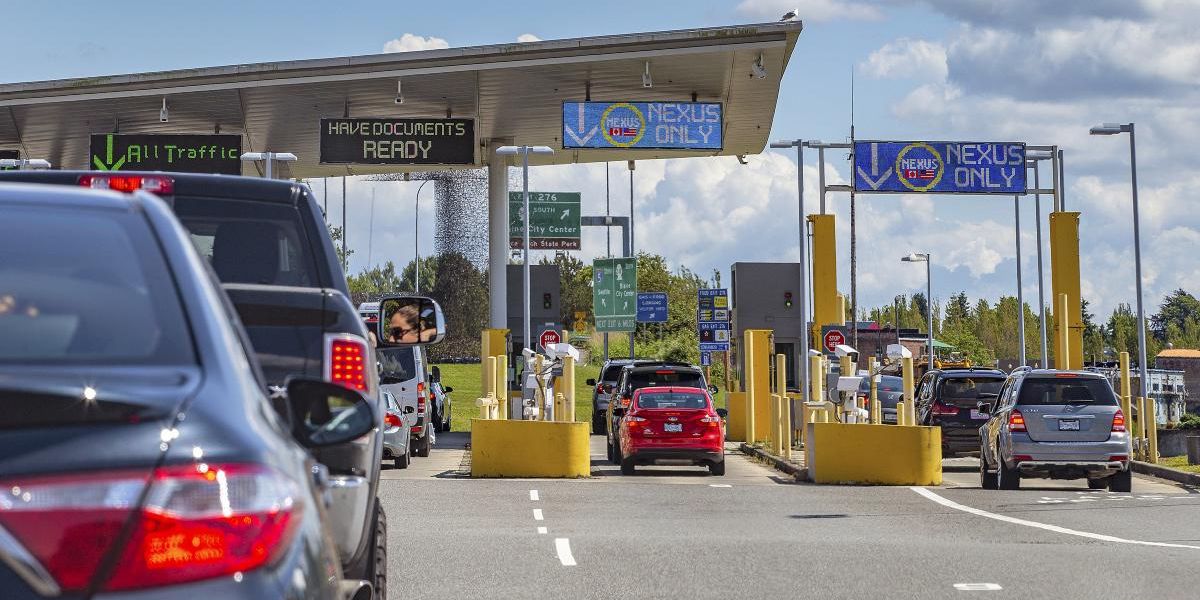
Ever since the United States launched a trade war with Canada last winter (and started floating the idea of annexation) a lot of Canadians have been rethinking their relationship with the country next door.
Some cancelled planned trips. Others redirected their vacation budgets to destinations that hadn’t recently threatened to make them the 51st state. Either way, the relationship between the two nations seems to have changed, and plenty of people have simply chosen to stay home.
But even for those who’ve set the politics aside and still want to head down south, there’s a more practical case for doing your homework before you go.
The US border has gotten noticeably stricter over the past year, a handful of new rules have quietly come into effect, and showing up uninformed can mean anything from a delayed crossing to a denied entry. Meanwhile, Canada recently updated its travel advisory for Canadians going to the States.
Here’s what Canadian travellers need to know right now.
Your face is now being scanned at the border
As of December 26, 2025, the US Department of Homeland Security now requires facial biometric collection from all non-US citizens — including Canadians — at every entry and exit point. That means airports, land crossings, seaports, and any other approved departure location.
US Customs and Border Protection photographs visitors using its Traveler Verification Service, a cloud-based facial matching system. The agency says the technology is more reliable than manual document checks for flagging identity fraud, visa overstays, and individuals who’ve previously been removed from the country.
The part worth knowing: US citizens can opt out. Canadians cannot. Refusing the biometric step may result in denied entry. And unlike American citizens whose photos are deleted within 12 hours, images of Canadian travellers can be stored in the DHS Biometric Identity Management System for up to 75 years.
Some travellers have to pay a new fee
Starting October 1, 2025, anyone who requires a non-immigrant visa to enter the United States must pay an additional US$250 on top of the existing application fee. For context, that’s roughly CA$350, on top of the standard CA$260 visa fee — and the new charge is set to increase annually with inflation.
Most Canadian citizens travelling for short-term tourism or shopping won’t be affected, since they typically don’t need a visa. But Canadian permanent residents almost always do, as do people applying for fiancé visas, family immigration visas, or certain work and diplomatic visas. For a family of four in that situation, visa costs alone could exceed CA$2,400 before a single flight or hotel is booked.
A refund is theoretically possible, but only if you leave within five days of your visa expiring. Since many visas are valid for up to a decade, most travellers will likely never see that money back. The US Congressional Budget Office has projected the fee will generate nearly US$28.9 billion in revenue over the next ten years.
A more invasive screening proposal is still on the table
Last December, US Customs and Border Protection published a proposal that would significantly expand how certain travellers are screened before they even arrive at the border. If finalized, the changes would affect people applying through the Electronic System for Travel Authorization — the ESTA system used by travellers from Visa Waiver Program countries like the UK, France, Australia, Germany, and South Korea.
Canadian citizens don’t use ESTA, but Canadian permanent residents holding passports from any of those 40-plus countries do — and they’d be directly impacted. Under the proposal, ESTA applicants would be required to submit five years of social media history, old email addresses and phone numbers going back a decade, contact information for family members, including spouses, parents, siblings, and children, and a live facial recognition selfie through a new ESTA mobile app. Biometric data, including fingerprints and iris scans, could also be collected.
The proposal has not been finalized as of publication, but several of its measures had already received emergency clearance, making it likely they’ll go through in some form.
What the Canadian government’s travel advisory says
Canada’s official travel advisory for the United States, maintained at travel.gc.ca, currently advises travellers to take normal security precautions — but it includes several warnings worth reading carefully before you go.
US border agents have the authority to search your electronic devices, including phones, laptops, and tablets, without providing a reason. If you refuse to hand over a password, they can seize your device, delay your travel, or deny you entry entirely. The advisory recommends putting your device in airplane mode before crossing to prevent remote files from downloading accidentally.
Canadians visiting for more than 30 days must register with the US government. Failing to do so can result in fines, penalties, and misdemeanor prosecution. You can check whether you’ve been automatically registered by looking up your I-94 admission form on the CBP website.
If you have a criminal record — regardless of how minor or how long ago — you may be refused entry. A Canadian pardon is not recognized under US law. Travellers in this situation can apply for a temporary waiver of inadmissibility through the nearest US embassy or consulate.
Previous cannabis use can also be grounds for denial of entry, and attempting to cross the border with any amount of cannabis (even into a US state where it’s legal) remains a serious offence that can result in prosecution and fines.
FIFA World Cup travel advisory
Worth flagging upfront for anyone planning a summer trip: Canada, Mexico, and the United States are co-hosting the FIFA World Cup from June 11 to July 19, 2026.
If you’re planning to travel to the US specifically for the tournament, the Government of Canada has published separate dedicated travel advice for Canadians attending. It’s worth reading before you book anything, as large-scale events tend to come with their own border and security considerations.
The basics before you go
Canadian citizens travelling by air need a valid passport. By land or water, you can also use a Trusted Traveler Program card like NEXUS, an enhanced driver’s licence, or a Secure Certificate of Indian Status. Children 15 and under entering by land or water can use a birth certificate or citizenship certificate.
Canadian permanent residents may need a non-immigrant visa and should verify their requirements well in advance, particularly given the new fee structure. The US proclamation restricting entry for nationals of certain countries, which came into effect January 1, 2026, does not affect Canadian citizens travelling on a Canadian passport, but may affect permanent residents depending on their country of citizenship.
Travel insurance is strongly recommended. Healthcare in the US is excellent but expensive, and all medical costs must be paid out of pocket without coverage. The government advisory specifically recommends insurance that includes medical evacuation and hospital stays.
For the full and most up-to-date information, the Government of Canada’s travel advisory for the United States is available at travel.gc.ca/destinations/united-states.
![21st Jun: Before I Fall (2017), 1hr 38m [PG-13] – Streaming Again (6.2/10)](https://occ-0-7324-1007.1.nflxso.net/dnm/api/v6/0Qzqdxw-HG1AiOKLWWPsFOUDA2E/AAAABco1JrKYfnDLgJGN7jV6i1VwEfi9uR5sWvxDYdbVpNEu9dR7qrxRV3gGAw5dBYu1Q_V_Xa3AsBn05-vP1N1SvG7LXUSnz2Ng2mum.jpg?r=2e3 "21st Jun: Before I Fall (2017), 1hr 38m [PG-13] – Streaming Again (6.2/10)")